Is Your Home One of the 10% Still Without Central Air?
If you’re thinking about how to add AC to your house, you’re not alone — and you’re asking at exactly the right time. Nearly 90% of American homes now have air conditioning, but millions of homeowners are still dealing with window units, hot bedrooms, and humid summer nights.
Here’s a quick overview of your main options:
| Option | Best For | Ductwork Needed? | Estimated Cost |
|---|---|---|---|
| Central AC (split system) | Homes with existing forced-air ductwork | Yes | $4,000–$12,000 |
| Ductless mini-split | Homes without ductwork, additions, older homes | No | $3,000–$6,000/zone |
| Heat pump (dual-fuel) | Homes wanting heating + cooling efficiency | Yes (usually) | $6,000–$14,000 |
The right choice depends on your home’s existing setup — specifically whether you have a forced-air furnace, how old your ductwork is, and what your comfort goals are.
This is especially relevant in Rhode Island and nearby Massachusetts, where more than half of all homes were built before 1962 — well before central AC became standard. Adding cooling to an older home comes with its own set of challenges: plaster walls, limited attic space, undersized duct systems, and aging electrical panels.
But it’s very doable. And when it’s done right, the results are transformative.
I’m Richard Marcello, President of Advanced Heating & Cooling in Smithfield, RI, and I’ve spent over 30 years helping Rhode Island homeowners add AC to their houses — from straightforward furnace add-ons to full ductless retrofits in century-old Colonials. In this guide, I’ll walk you through everything you need to know to make a confident, informed decision.
Best Ways to add ac to house: Central AC, Heat Pumps, and Ductless Mini-Splits
When deciding how to add AC to house structures of varying ages, there isn’t a one-size-fits-all solution. Your home’s architectural style, existing heating system, and long-term energy goals will determine which system type fits best.
Let’s look at the three primary cooling methods we recommend for homes in the Smithfield, Johnston, and North Smithfield areas.
| Feature | Split Central AC | Ductless Mini-Split | Air-Source Heat Pump |
|---|---|---|---|
| Ductwork Required | Yes (Existing or New) | No (Uses Small Line Sets) | Yes (For Central Systems) |
| Typical Efficiency | 13.4 to 20+ SEER2 | Up to 25+ SEER2 | 14.3 to 22+ SEER2 |
| Zoning Capability | Limited (Unless Dampered) | Excellent (Room-by-Room) | Limited (Central) or Excellent (Ductless) |
| Heating Capability | No (Cooling Only) | Yes (Provides Heating) | Yes (Provides Primary Heating) |
| Visual Footprint | Hidden Indoors (Ducts) | Wall/Floor Mounted Units | Hidden Indoors (Ducts) |
Split Central AC Systems for Whole-Home Cooling
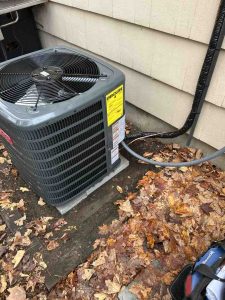
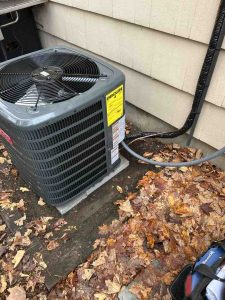
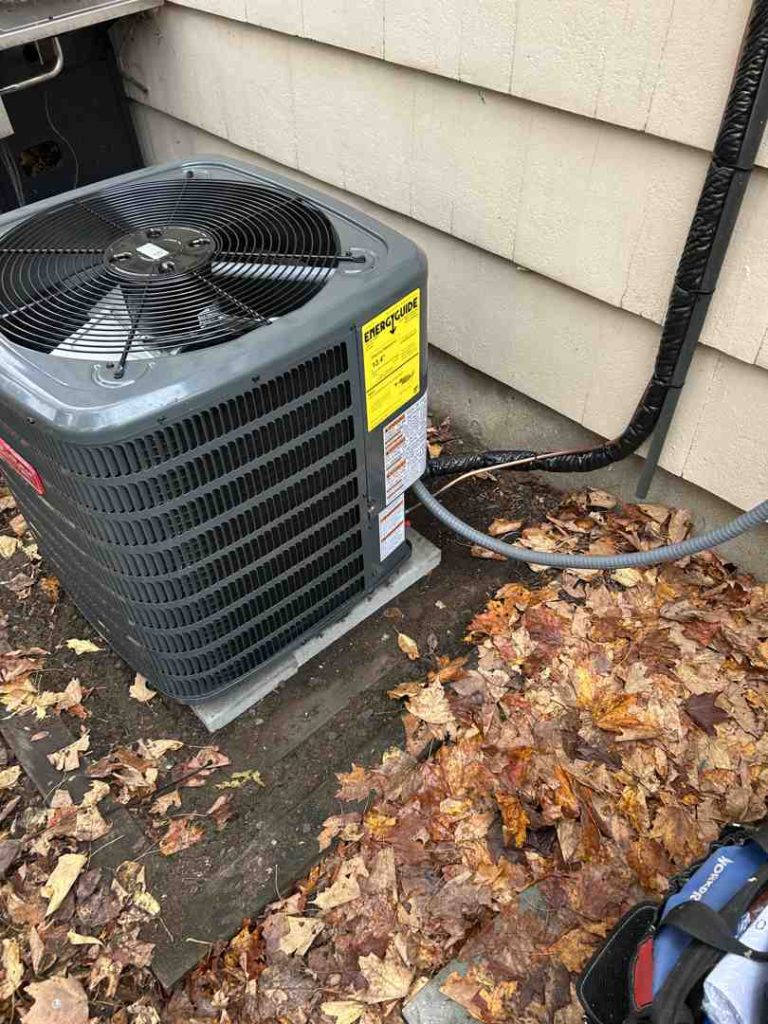
A split central air conditioner is the traditional workhorse of American home cooling. It is called a “split” system because it consists of two main parts: an outdoor condenser unit and an indoor evaporator coil.
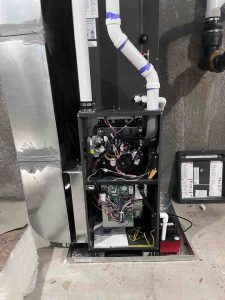
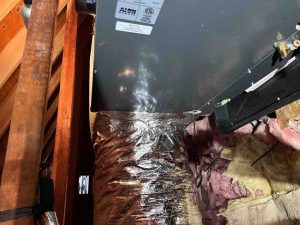
The outdoor condenser is placed in a quiet side yard on a level concrete or composite pad. The indoor evaporator coil is installed directly within your existing furnace’s plenum (the main air distribution box above or below the furnace).
When the system runs, refrigerant cycles between these two components, absorbing heat from your indoor air and releasing it outside. Your furnace’s blower motor does the heavy lifting of pushing that newly cooled, dehumidified air through your supply ducts and drawing warm air back through the return ducts.
If you already have a functional forced-air heating system, this is often the most cost-effective way to get whole-home cooling. For a deeper dive into how these systems integrate with your existing setup, check out this Adding AC to an Existing Furnace guide.
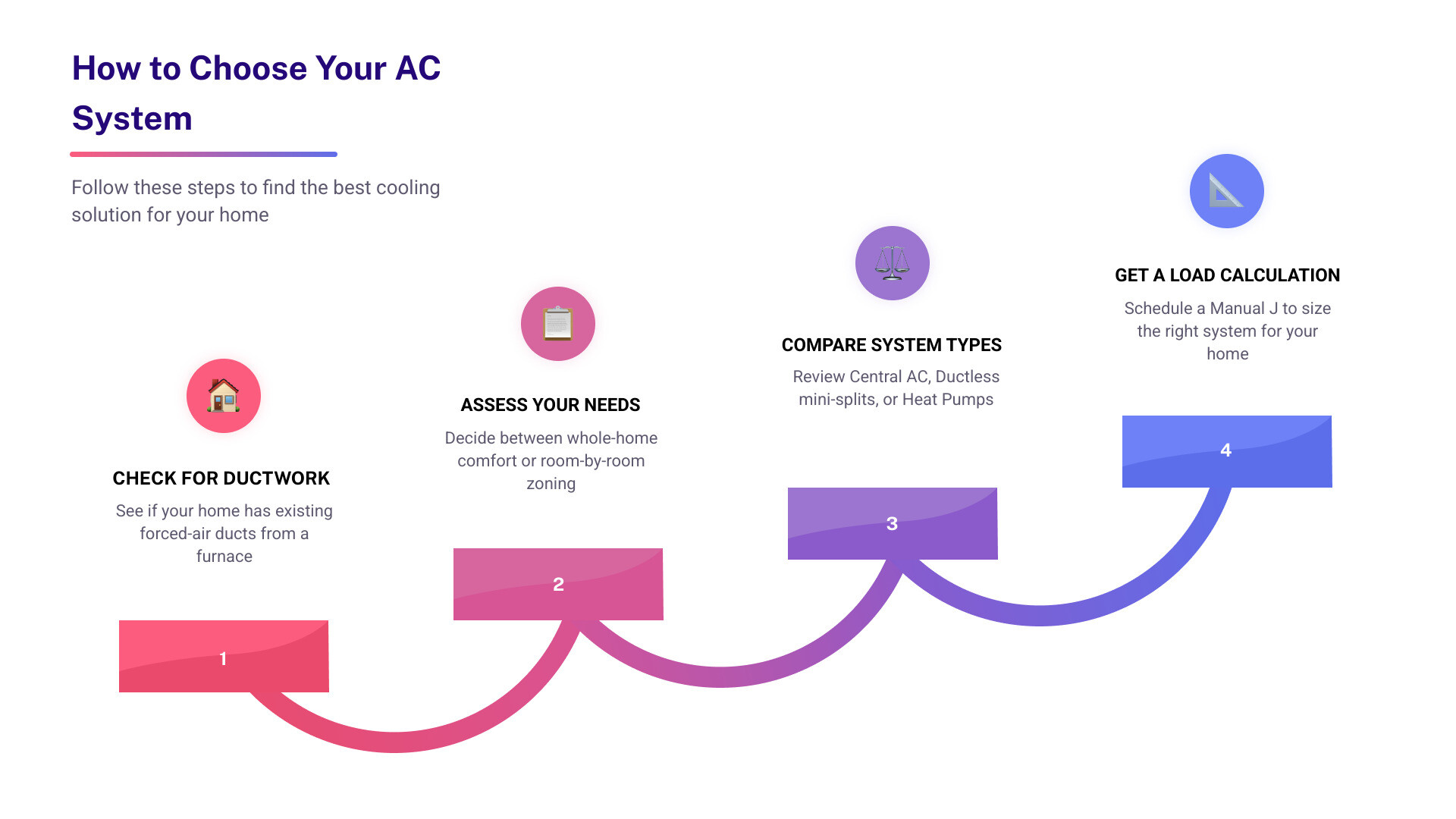
How to add ac to house with Existing Forced-Air Ductwork
If your home already has a forced-air gas or oil furnace, you are in luck: you already have half of the system installed.
To add AC to your house using your existing infrastructure, we mount the evaporator coil inside the furnace plenum, run copper refrigerant line sets from the coil to the outdoor condenser, and install a condensate drain line to safely carry away the moisture wrung out of your indoor air.
We will also need to upgrade your thermostat to a model that supports both heating and cooling, and ensure your ductwork is properly sealed. Airflow testing is a critical step here; cooling requires more airflow than heating because cool air is denser and harder to move.
If you are curious about the step-by-step mechanical details of this integration, read our articles on Cooling Down: The Ultimate Guide to Hooking Up AC to Your Furnace and Can You Add AC to a Gas Furnace? Yes, and Here is How.
Can You add ac to house Without Existing Ductwork?
What if your home is heated by hot water radiators, steam, or electric baseboards? This is incredibly common in historic areas like Slaterville and Mapleville, where homes were built long before ductwork was conceived.
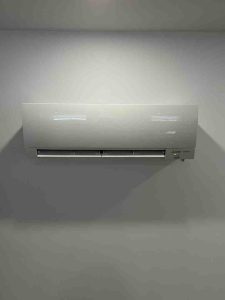
You can absolutely still add AC to your house without undergoing a major, messy ductwork installation. Ductless mini-split systems are the ideal alternative. These systems use an outdoor condenser connected to one or more indoor wall-mounted, floor-mounted, or ceiling-cassette air handlers via a small, three-inch conduit containing refrigerant lines and electrical wiring.
Ductless systems allow for zoned cooling, meaning you can set different temperatures in the master bedroom, living room, and kitchen. This room-by-room comfort control eliminates thermostat battles and ensures you aren’t paying to cool unused spaces.

When a Heat Pump or Dual-Fuel System Makes More Sense
If you are planning to add air conditioning in May 2026, you should strongly consider an air-source heat pump instead of a standard AC-only unit. A heat pump looks identical to a standard central AC condenser, but it contains a reversing valve that allows it to heat your home in the winter by pulling heat out of the outdoor air and pumping it indoors.
In Rhode Island, a “dual-fuel” system is often the ultimate setup. This pairs an electric heat pump with your existing gas or oil furnace.
Using a smart thermostat, the system automatically switches between the two based on outdoor temperatures. The heat pump handles the cooling in the summer and highly efficient heating during mild spring and autumn days. When temperatures drop below a designated “balance point” (typically between 35°F and 45°F), the system switches over to your gas or oil furnace for cozy, reliable warmth.
This configuration significantly lowers your operating costs, reduces carbon emissions, and qualifies for excellent federal and state electrification incentives. To learn more about retrofitting older oil-heated homes, check out our guide on From Oil to Chill: Retrofitting AC with Your Existing Oil Heat.
Sizing, Efficiency, and Compatibility Checks Before You Add AC
Before purchasing any equipment, several technical assessments must be performed. Skipping these steps is the single biggest cause of system failure, high utility bills, and poor indoor comfort.
Why Proper AC Sizing Is Critical
When it comes to air conditioning, bigger is definitely not better. An oversized AC unit will cool your home too quickly, causing it to “short cycle” (turn on and off rapidly).
Because the system doesn’t run long enough to complete a full cooling cycle, it won’t have time to extract humidity from the air. You’ll end up with a home that feels cold, damp, and clammy. Short cycling also puts massive mechanical strain on the compressor, shortening its lifespan and driving up your electric bills.
Conversely, an undersized unit will run constantly, struggling to keep up on hot July afternoons, leading to premature wear and hot spots throughout your home.
How Contractors Calculate the Right Unit Size
To find the perfect system capacity, we perform an ACCA Manual J load calculation. This scientific assessment determines exactly how many BTUs (British Thermal Units) of cooling your home needs.
We don’t just look at square footage. A proper Manual J calculation accounts for:
- The R-value of your attic and wall insulation
- The orientation of your home (which rooms get direct afternoon sun)
- The number, size, and type of windows
- Local climate data for the Smithfield, RI area
- Air leakage rates and home occupancy
One ton of cooling capacity equals 12,000 BTUs. Most residential homes require between 1.5 and 5 tons of cooling, and we aim for an airflow target of 350 to 400 CFM (Cubic Feet per Minute) per ton of capacity.
Furnace, Blower, and Ductwork Compatibility
If you are adding central AC to your existing furnace, we must verify that your blower motor can handle the extra static pressure. The indoor evaporator coil acts like a physical barrier inside your ductwork, restricting airflow.
Older furnaces with standard PSC (Permanent Split Capacitor) motors may struggle to push enough air through the system, whereas modern ECM (Electronically Commutated) variable-speed motors adjust their speed to maintain proper airflow.
Additionally, we must inspect your existing ducts. Damaged, uninsulated, or leaky ductwork can cause up to 30% of your conditioned air to escape into unoccupied spaces like attics or crawlspaces.
If your ducts are undersized or leaky, they must be sealed with mastic or foil tape and insulated to prevent condensation. For more on this, check out our article on Retrofit Your Ride: Adding Central Air to Your Forced Air Furnace.
SEER, SEER2, EER, and Modern AC Features
As of 2023, the Department of Energy transitioned to SEER2 (Seasonal Energy Efficiency Ratio 2) as the standard efficiency metric, which utilizes more realistic static pressure testing. In the northern region, including Rhode Island, the federal minimum SEER2 rating for new central AC systems is 13.4.
When evaluating modern AC units, look for these advanced features:
- Variable-Speed Compressors: Unlike standard single-stage compressors that are either 100% “on” or “off”, variable-speed compressors ramp up and down incrementally, matching your home’s real-time cooling needs. This provides unparalleled humidity control and whisper-quiet operation.
- Two-Stage Cooling: A great middle-ground option that runs on a lower, highly efficient stage about 80% of the time, switching to high capacity only on extremely hot days.
- New Eco-Friendly Refrigerants: Modern systems are transitioning to R-32 or R-454B, which have significantly lower Global Warming Potential (GWP) than older R-410A systems.
Costs to Add Central AC, Ductwork, Electrical Upgrades, and Incentives
Understanding the financial investment required to add AC to your house is essential for budgeting. The total cost is determined by your home’s size, the efficiency level of the equipment, and any necessary infrastructure upgrades.
Typical Cost Ranges in 2026
In May 2026, the typical cost to install a central air conditioning system ranges from $6,000 to $11,500, including both equipment and labor.
- Straightforward Retrofit: If you have a modern, compatible forced-air furnace and high-quality ductwork in place, a basic central AC add-on usually costs between $4,000 and $8,000.
- Complex Retrofit / Larger Homes: If your home requires minor duct modifications, a new thermostat, and electrical panel upgrades, expect to pay between $8,000 and $12,000.
- No Existing Ductwork: If you need to install a whole-house ductless mini-split system or run brand-new central ductwork throughout an older home, projects can easily range from $12,000 to $15,000+ depending on the number of zones.
To get a clear picture of what to expect financially, read our guide Your Home’s HVAC Replacement: What to Expect Financially.
Cost Breakdown: Equipment, Labor, Ductwork, and Electrical
To help you plan, here is a rough breakdown of where your money goes during a typical central AC installation:
- Equipment Bundle (Condenser & Coil): $3,000–$5,500 (depending on SEER2 rating and brand)
- Installation Labor & Commissioning: $2,000–$4,500
- Electrical Upgrades: $500–$1,500 (if a new 240V line or panel upgrade is required)
- Duct Modifications & Sealing: $500–$2,500 (highly variable based on condition)
- Permits, Inspections, and Refrigerant Fees: $300–$800
Electrical Requirements and Code Considerations
Your outdoor condenser is a high-draw appliance that requires a dedicated 220V–240V electrical circuit. Standard household outlets cannot support this load.
During installation, a licensed electrician must:
- Verify that your main electrical panel has enough capacity (amperage) to support the new cooling system. Many older homes with 100-amp service require an upgrade to a 200-amp panel.
- Install a dedicated double-pole circuit breaker in your panel.
- Run heavy-gauge, outdoor-rated wiring through protective conduit to an outdoor disconnect box mounted on your home’s exterior wall near the condenser.
- According to the National Electrical Code (NEC), an outdoor service outlet (120V receptacle) must be installed within 25 feet of the condenser for technician access.
For more details on electrical requirements, see this Window & Wall AC Installation Guide: Electrical Requirements Every Homeowner Should Know.
Rebates, Tax Credits, and Financing Options
Adding energy-efficient cooling to your home is highly incentivized. Under the federal 25C Tax Credit, homeowners can claim up to 30% of the project cost (up to $600 for qualified central AC systems and up to $2,000 for qualified heat pumps).
Additionally, local utility programs like RI Energy offer substantial rebates for installing high-efficiency heat pumps and central AC systems. Many manufacturers and local contractors also offer flexible financing options, including low-interest home improvement loans and zero-down payment plans to fit your monthly budget.
Installation Timeline, Required Components, and Post-Install Maintenance
A professional installation is a highly coordinated process that typically takes one to two days. Here is what you should expect when our team arrives at your home.
Step-by-Step Central AC Installation with an Existing Furnace
- Site Preparation: We protect your flooring with drop cloths and prepare the indoor and outdoor workspaces.
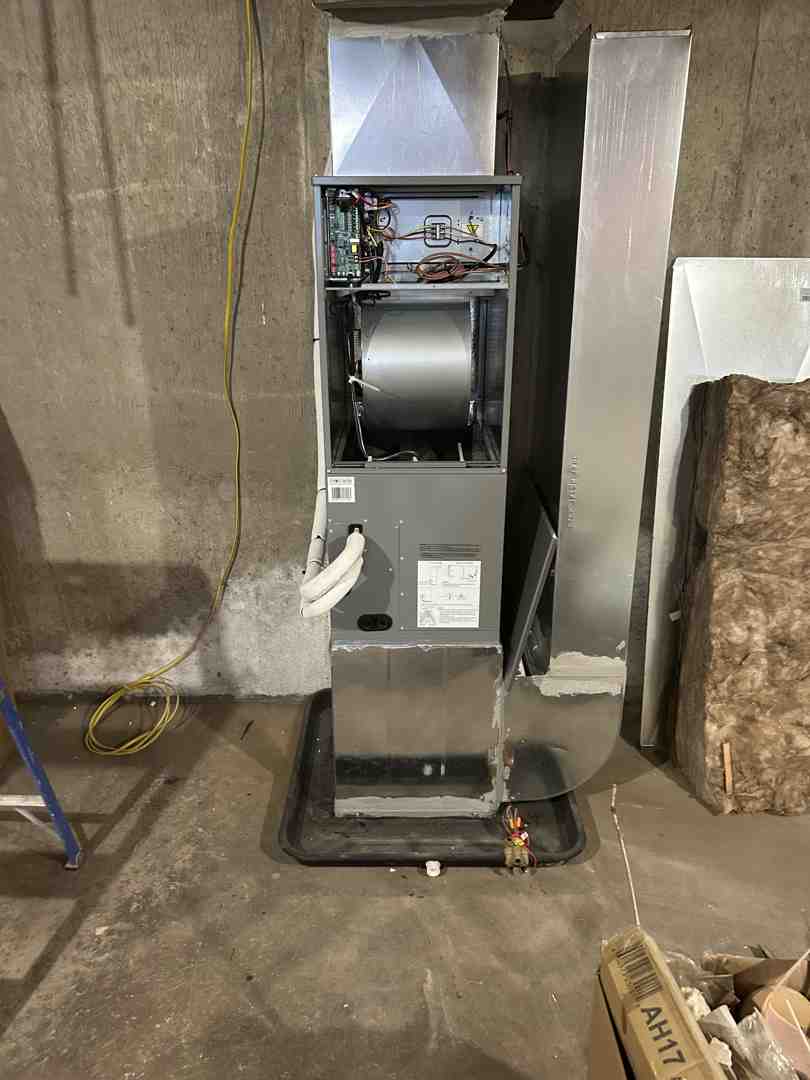
- Plenum Modification: We cut open the sheet metal plenum above your furnace and slide in the cabinet housing the new evaporator coil. We seal the transitions tightly with mastic or foil tape.
- Condenser Placement: We lay down a level, vibration-absorbing condenser pad in your yard and secure the outdoor unit.
- Running the Line Set: We drill a small hole through your home’s exterior wall to run the copper refrigerant lines and control wiring between the indoor coil and outdoor condenser.
- Refrigerant Line Evacuation: We use a vacuum pump to pull a deep vacuum on the refrigerant lines, removing all air and moisture before releasing the system’s refrigerant charge.
- Electrical & Drain Connections: We connect the line set to the electrical disconnect and route a PVC condensate drain line from the indoor coil to a floor drain or condensate pump.
- System Commissioning: We power on the system, measure the airflow, check the temperature differential (which should be a 16–22°F split across the coil), and verify the refrigerant charge.
To see what a combined furnace and AC installation looks like from start to finish, check out Double the Comfort: Mastering Furnace and AC Installation.
Components Required for a Central AC Add-On
To complete your system, we will install:
- Outdoor Condenser: Houses the compressor, condenser fan, and coil.
- Indoor Evaporator Coil: Sits in the furnace plenum to cool the air.
- Refrigerant Line Set: Insulated copper tubes carrying refrigerant.
- Condensate Drain System: PVC piping and/or a condensate pump to remove water.
- Smart Thermostat: Controls both your heating and cooling stages.
- Electrical Whip & Disconnect: Safe outdoor power connection.
Installation Timeline and What Homeowners Should Expect
A standard central AC add-on to an existing, compatible furnace takes one day. If your ductwork requires minor modifications or sealing, expect the project to take two days.
During this time, your heating and cooling systems will be offline. We will need access to your basement, utility closets, attic, and yard. We pride ourselves on leaving your home as clean as we found it, and we will conduct a thorough walkthrough to show you how to operate your new system.
Maintenance After Adding AC
To protect your investment and keep your system running at peak efficiency for its 12-to-15-year lifespan (or 15-to-20 years for energy-saver systems), regular maintenance is essential:
- Change Air Filters Regularly: Check your air filters every 1 to 3 months. Dirty filters restrict airflow, causing your system to work harder and potentially freeze up. We recommend high-quality MERV 8 to 13 filters.
- Keep the Outdoor Unit Clear: Maintain at least 2 to 3 feet of clear space around your outdoor condenser. Keep grass, weeds, and shrubs trimmed back, and clear away falling leaves or winter snow.
- Schedule an Annual Tune-Up: Have a professional HVAC technician inspect your system every spring. We will clean the coils, check the electrical connections, flush the condensate drain line, and verify the refrigerant levels.
For comprehensive care tips, read More on HVAC repair and maintenance.
AC Options for Older Homes, Additions, Garages, and Homes Without Ductwork
If you live in a historic home in North Smithfield or Johnston, or if you want to cool a specific space like a finished basement or garage, standard central AC may not be your only option.
Ductless Mini-Splits: Pros, Cons, and Costs
Ductless mini-splits are the premier choice for older homes with plaster walls, historic townhomes, or homes with hydronic heating.
- Pros: Exceptionally high energy efficiency (up to 25+ SEER2), zoned room-by-room temperature control, no ductwork required, and incredibly quiet operation.
- Cons: Higher upfront equipment costs if you need to cool an entire large home (requires multiple indoor heads), and the indoor wall units are visible.
- Typical Cost: $3,000 to $6,000 per indoor zone (fully installed).
Ductless systems can often preserve a home’s historic character because they require only small wall penetrations for line sets rather than large duct chases through finished walls and ceilings.
Ducted Central AC: When Existing Ducts Can Be Upgraded
If your older home has existing ductwork that was designed strictly for heating, we can often upgrade it to handle central cooling. This involves adding more return air grilles to draw out warm air, sealing duct joints, and adding insulation to ductwork running through unconditioned spaces. This allows you to enjoy the seamless, hidden comfort of central air without sacrificing floor or wall space to ductless units.
Central AC vs. Ductless for Large Homes and Zoned Comfort
For large, multi-story homes, a hybrid approach is often the best solution. You can use a central AC system to cool the main living areas on the first floor using existing ductwork, and install a ductless mini-split system to cool a hot, hard-to-reach master bedroom on the third floor or a newly finished attic space.
Heat Pumps and Dual Fuel Compared
As we plan for long-term energy savings in 2026, transitioning from oil heat to a dual-fuel heat pump system is one of the smartest upgrades you can make. It dramatically reduces your fossil fuel consumption, provides whisper-quiet whole-home cooling, and keeps you perfectly warm during Rhode Island’s freezing winter months.
Frequently Asked Questions About How to Add AC to House
Here are quick, straightforward answers to the most common questions we hear from local homeowners.
Do I Need to Replace My Furnace to Add AC?
Not necessarily. If your furnace is under 12 to 15 years old, has a blower motor capable of delivering the required CFM, and has enough physical plenum space to house the evaporator coil, we can easily add AC to your existing system.
However, if your furnace is 20 to 30 years old, it is highly recommended to replace both units simultaneously. This ensures maximum system compatibility, qualifies you for better system warranties, and saves you money on combined labor costs.
Can I Install Central AC Myself?
No. Legally and safely, central AC installation is not a DIY project. Federal law under EPA Section 608 requires certified technicians to handle, charge, and recover chemical refrigerants.
Furthermore, installing central AC involves high-voltage electrical wiring, precise sheet metal fabrication, and specialized diagnostic equipment like micron gauges and vacuum pumps. Attempting a DIY installation will void your equipment warranty, violate local building codes, and risk serious safety hazards.
Does Adding AC Increase Home Value?
Absolutely. In today’s real estate market, central air conditioning is no longer considered a luxury — it is a baseline expectation for buyers. Adding central AC or a high-efficiency heat pump system immediately boosts your home’s marketability, increases its resale value, and provides your family with healthier, cleaner indoor air through whole-home filtration.
Conclusion
Adding air conditioning to your home is one of the most rewarding home improvement investments you can make. Whether you have a modern forced-air furnace in Greenville, a beautiful historic home in Esmond, or a garage workspace in Stillwater, there is a perfect cooling solution waiting for you.
At Advanced Heating & Cooling, we have spent over 30 years providing honest, high-quality workmanship to our neighbors across Smithfield, Johnston, and the surrounding Rhode Island communities. We are here to help you navigate the entire process — from performing a precise Manual J load calculation to securing your utility rebates.
Don’t spend another summer sweating through humid nights. Schedule AC installation guidance in Smithfield, RI with us today, or call us for a free, no-obligation estimate. We’ll make sure your home stays perfectly cool all summer long!