What Is Duct Cleaning — and Do You Actually Need It?
Duct cleaning is the mechanical removal of dust, debris, and contaminants from the supply, return, and exhaust components of your home’s HVAC system. Here’s a quick snapshot of what you need to know:
| Question | Quick Answer |
|---|---|
| What gets cleaned? | Ducts, vents, registers, coils, drain pans, blower motor |
| When is it needed? | Visible mold, vermin, excessive dust discharge, post-renovation |
| Is routine cleaning required? | No — only when a real problem exists (per EPA) |
| Typical cost? | $450–$1,000 depending on system size |
| How long does it take? | Usually 2–4 hours for most homes |
| Who should do it? | A NADCA-certified professional using source removal methods |
Over time, a typical home can accumulate more than 40 pounds of dirt, dust, and particles inside its ductwork in a single year. That buildup gets circulated through the air your family breathes every day. For the roughly 1 in 5 Americans who suffer from indoor allergies, that’s not a small thing.
But here’s the honest truth most service companies won’t tell you: not every home needs duct cleaning right now. Knowing when to clean, how to prevent buildup, and who to trust makes all the difference — and that’s exactly what this guide covers.
I’m Richard Marcello, President of Advanced Heating & Cooling, and with over 30 years of hands-on HVAC experience serving Rhode Island homeowners, I’ve seen how proper duct cleaning — done at the right time and by the right people — can genuinely improve a home’s comfort and air quality. Let’s get into the five practical hacks that will help you make smarter decisions about your ductwork.
Hack 1: Know When to Call the Pros for Duct Cleaning
One of the biggest misconceptions in our industry is that duct cleaning should be a routine annual service like changing your oil. In reality, the Environmental Protection Agency (EPA) suggests that homeowners only need to consider professional cleaning when specific conditions are met.

According to the Should You Have the Air Ducts in Your Home Cleaned? | US EPA guide, you should look for three major “red flags”:
- Visible Mold: If you see substantial visible mold growth inside hard surface ducts or on other components of your heating and cooling system.
- Vermin Infestation: If rodents or insects have made your ductwork their home.
- Excessive Dust Discharge: If ducts are clogged with excessive amounts of dust and debris, or if particles are actually being released into the home from your supply registers.
Identifying Signs You Need Professional Duct Cleaning
Beyond the EPA’s big three, there are subtle “lifestyle” signs that indicate it’s time for a professional intervention. Have you noticed a persistent musty odor every time the AC kicks on? This often points to biological growth or moisture trapped in the system.
Another tell-tale sign is something we call “carpet filtration.” If you see dark, black lines along the edges of your carpet where it meets the wall, your carpet is acting as a giant filter for the air leaking out of your floor vents. This is a strong indicator that the air moving through your home is carrying a heavy load of particulates. If you’re seeing these signs, it’s worth reading our Breathe Easy: A Guide to Professional AC Duct Cleaning Services to understand how we address these specific Rhode Island air quality challenges.
Hack 2: Master the Prevention Game to Keep Ducts Clean
The best duct cleaning is the one you never have to pay for. Prevention is all about controlling what enters your HVAC system in the first place.

Your first line of defense is your air filter. We recommend using high-efficiency pleated filters and, most importantly, changing them according to the manufacturer’s schedule—usually every 30 to 90 days. If you have pets or live in a high-pollen area like North Smithfield or Smithfield, you might need to swap them even more frequently.
Moisture control is the second pillar of prevention. Dust is annoying, but moisture is dangerous because it leads to mold. Ensure your condensate pans are draining properly and that your humidification levels are balanced. Too much humidity can turn a little bit of dust into a breeding ground for microbes. You can learn more about how New England weather affects this in our guide on the Impacts Humidity Has on Your HVAC System.
Preventing Contamination in New Construction and Renovations
One of the most common times we find contaminated ducts is in brand-new homes or homes that have just undergone a remodel. Construction is a messy business. Gypsum dust from drywall, sawdust, and even lunch wrappers can find their way into open floor registers.
If you are renovating your home in Johnston or Greenville, make sure your contractor seals all supply and return registers with plastic while the work is being done. Never run your HVAC system during heavy sanding or drywall work. If the system was running during construction, a professional duct cleaning is often the only way to remove that fine white powder that will otherwise circulate for years. For more on keeping your local environment healthy, check out our insights on Indoor Air Quality Rhode Island Homes.
Hack 3: Vet Your Service Provider Like a Pro
If you decide to move forward with duct cleaning, don’t just hire the person who left a $99 coupon on your door. In the HVAC world, if a price sounds too good to be true, it almost certainly is. “Blow-and-go” scams are common; these companies do a quick, superficial vacuuming of the vents and then try to upsell you on expensive “mold treatments” you don’t need.
To get the job done right, look for a company that follows the Proper Cleaning Methods | National Air Duct Cleaners Association (NADCA). A legitimate professional will:
- Be NADCA certified.
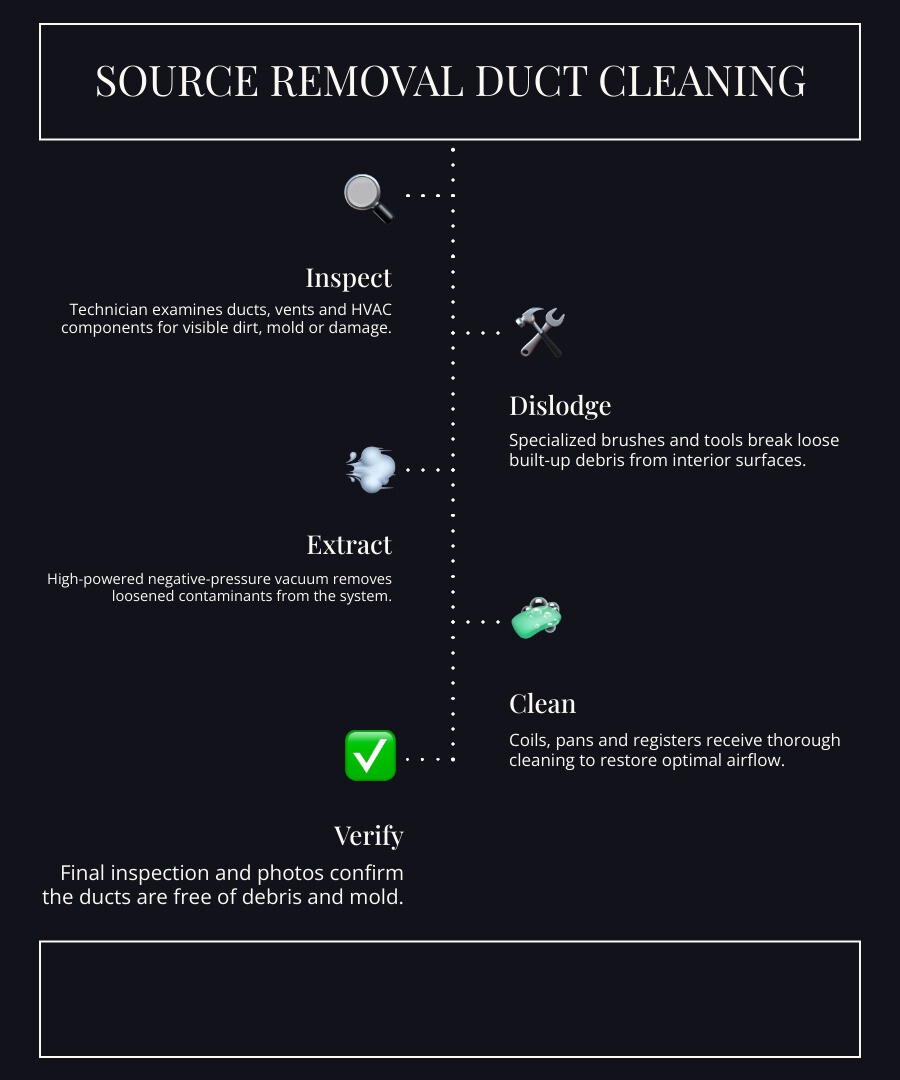
- Use high-powered, truck-mounted vacuums with HEPA filtration.
- Clean the entire system, including coils, fans, and the air handler—not just the ducts.
- Put the system under “negative pressure” to ensure dust is sucked out of the house, not blown into your living room.
Avoiding Scams and Understanding Duct Cleaning Costs
Transparent pricing is the hallmark of a reputable local business. For a standard residential system in Rhode Island, you should expect to pay somewhere between $450 and $1,000. This price varies based on the size of your home, the number of vents, and the accessibility of the ductwork.
A thorough, professional job usually takes between 2 to 4 hours, though complex systems can take up to 7 hours. If a technician says they can clean your whole house in 45 minutes, they aren’t actually cleaning your ducts—they’re just dusting your registers. For a deeper dive into what goes into a quote, read our article: Is Your Air Duct Cleaning Quote Fair? Unpacking the Costs.
Hack 4: Optimize Your Whole-Home Air Quality Strategy
Duct cleaning is just one piece of the puzzle. If you clean the ducts but have poor filtration or high humidity, the dust will return in no time. Think of your HVAC system like the lungs of your home; you want them to be clear, but you also want the air coming in to be purified.
| Feature | DIY Surface Cleaning | Professional Source Removal |
|---|---|---|
| Tools Used | Shop-vac, household rags | Truck-mounted vacuum (15,000+ CFM), air whips |
| Reach | 3-5 feet into the vent | The entire length of the duct run |
| Components | Registers and grilles only | Coils, blower, plenum, and all ducts |
| Result | Temporary cosmetic fix | Restored airflow and system efficiency |
Beyond mechanical cleaning, we often recommend installing UV-C lights inside the air handler. These lights help kill bacteria and mold spores before they ever have a chance to settle in your ducts. Combining professional source removal with advanced filtration is the “gold standard” for A Healthier Home Environment.
Hack 5: Don’t Forget the Dryer Vent Safety Connection
While you’re thinking about your air ducts, don’t ignore the most dangerous vent in your house: the dryer vent.
Failure to clean and maintain dryer vents is the leading cause of residential dryer fires in the United States. When lint builds up, it restricts airflow, causing the dryer to run hotter and longer. If you notice your clothes are taking two cycles to dry, or the top of your dryer feels hot to the touch, you have a blockage.
We recommend an annual dryer vent cleaning. Not only does this protect your home from fire, but it also saves you money on utility bills by making your dryer significantly more efficient. It’s a small maintenance step that has a massive impact on safety.
Frequently Asked Questions about Duct Cleaning
Does duct cleaning prevent health problems?
While there is no definitive scientific evidence that duct cleaning prevents specific diseases, it is well-documented that 1 in 5 Americans suffer from allergies or asthma triggered by indoor pollutants. Removing 40 pounds of dust, pet dander, and pollen from your air delivery system certainly reduces the “trigger load” in your home. Many of our customers in Smithfield and Johnston report breathing easier and having fewer headaches after a thorough cleaning.
Are chemical biocides or sealants necessary?
In most cases, no. Mechanical “source removal” (the vacuuming and brushing) is usually sufficient. The EPA has not registered any biocides for use on internally insulated ductwork or fiberglass duct board. If a contractor insists on spraying chemicals into your system without a confirmed microbial problem, that’s a red flag. We only use EPA-registered antimicrobial treatments when there is a documented need, and only after the system has been mechanically cleaned.
How long does the professional process take?
As mentioned, the process typically takes 2 to 4 hours for a standard single-family home. However, “standard” varies! If you have multiple HVAC units, or if your home in Woodville or Mapleville has a complex layout with hard-to-reach crawlspaces, it may take longer. Our team at Advanced Heating & Cooling uses high-powered, truck-mounted equipment to ensure the process is as efficient and non-invasive as possible.
Conclusion
At the end of the day, duct cleaning shouldn’t be a mystery or a source of stress. By knowing the signs of contamination, focusing on prevention, and hiring certified experts, you can ensure your home remains a healthy sanctuary for your family.
At Advanced Heating & Cooling, we’ve spent over 30 years helping our neighbors in Smithfield, Rhode Island, and the surrounding areas stay comfortable. We believe in honest, quality workmanship—which means we’ll tell you if your ducts need cleaning, and we’ll tell you if they don’t.
If you’re concerned about your indoor air quality or haven’t had your system inspected in a few years, we’re here to help. We offer free estimates and a commitment to excellence that only a locally owned and operated company can provide. Ready to take the next step? Breathe Easy: A Guide to Professional AC Duct Cleaning Services and give us a call today.