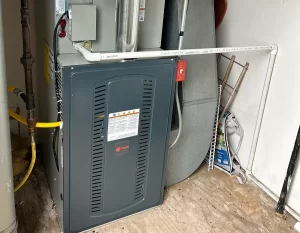
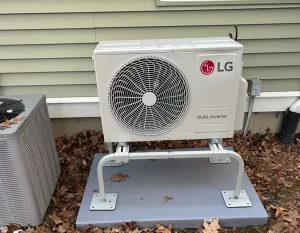
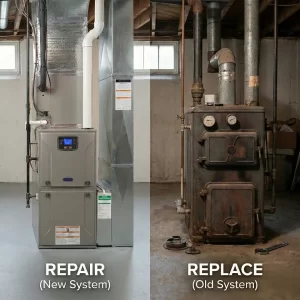
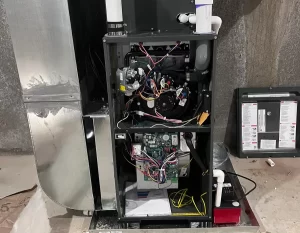
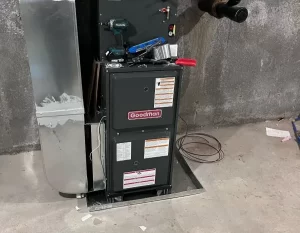
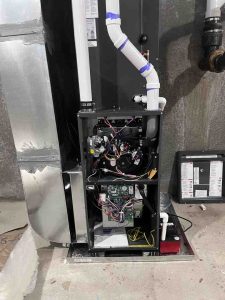
A well cared for furnace often lasts about 15 to 20 years, though the exact number depends on the type, the care, and how hard it works. This is a general range and not a promise. Age is only one clue, and the way your furnace acts tells you more. This guide shows what shortens a furnace’s life and the signs that it is time to plan a replacement.
At Advanced Heating & Cooling, we see furnaces of all ages in Rhode Island homes. Some run well past 20 years, and others struggle at 10. The difference is almost always care, sizing, and how the system was installed. Here is what to look for.
What Changes How Long a Furnace Lasts
Many things affect the life of a furnace. Knowing them can help you get more years from yours. Here are the biggest ones.
- Yearly maintenance and cleaning
- How often the filter is changed
- Whether the furnace is the right size for the home
- The quality of the original installation
- The fuel type, such as gas, oil, or electric
- How cold the winters are and how long it runs
Maintenance makes the biggest difference. A furnace that gets a tune-up each year and a clean filter runs cooler and has less wear. A furnace that runs dirty works harder and wears out faster. Our post on what a furnace tune-up includes explains the visit.

Size and Installation Matter
A furnace that is too big for the house turns on and off too often. This is called short cycling, and it puts stress on the parts. A furnace that is too small runs almost all the time and never catches up on cold days.
Installation also counts. Poor ductwork, a bad vent, or loose connections can cause problems for years. A careful installer measures the home, sizes the furnace, and checks the ducts and vent. You can read about short cycling if your furnace turns on and off a lot.
Signs Your Furnace Is Near the End
A furnace usually gives warnings before it fails for good. One sign alone may be fixable, but several together point to replacement. Watch for these:
- The furnace is older than about 15 years
- You need repairs more and more often
- Some rooms are cold while others are warm
- It makes banging, squealing, or rattling sounds
- The flame is yellow instead of blue, on a gas furnace
- You see rust, cracks, or soot near the unit
- Your energy use keeps rising for no clear reason
- The house is dusty or the air feels dry
A cracked heat exchanger is the most serious sign. It can leak carbon monoxide into your home, so a technician will usually tell you to stop using the furnace. Read more about this in our post on carbon monoxide and your furnace.
Gas, Oil, and Electric Furnaces
Different furnace types age in different ways. Gas furnaces are common and often last many years with good care. Oil furnaces need regular cleaning because of soot, and they can last a long time when kept clean.
Electric furnaces have fewer moving parts and no burner, so they often last a long time too. They still need the blower, filter, and electrical parts checked. No matter the type, the same rule holds: care makes the difference.

Repair Now or Plan for Replacement?
When a furnace is getting older, it helps to think ahead. A repair on a furnace in good shape is usually worth doing. A repair on a very old furnace that has already failed several times may only buy a short time.
Ask the technician honest questions. How much life does the furnace have left? What parts are worn? What would happen if it failed in the middle of winter? Our guide on common furnace problems and how repairs work can help you understand the answers.
If you decide to replace, you get to choose the timing. That is much better than an emergency in January. Our post on why waiting for your furnace to die is a cold mistake explains why.
How to Get More Years From Your Furnace
You can help your furnace last longer with a few simple habits. They take little time and make a real difference.
- Change the air filter on schedule
- Book a tune-up every year, ideally in early fall
- Keep vents and returns clear of furniture and rugs
- Keep the area around the furnace clean and free of stored items
- Fix small problems quickly
- Test your carbon monoxide alarms each month

Pay attention to how the furnace sounds and smells. Changes are often the first clue. For a broader view, see our guide on when to replace your HVAC system.
What Happens During a Replacement
If you do need a new furnace, the process is simple when it is planned. A technician checks your home, the ducts, and the vent. They choose a size that fits, and they explain your options in plain words.
On installation day, the old furnace comes out and the new one goes in. The vent, gas or oil line, and electric connections are set and tested. The technician shows you how to use it and when to change the filter. You can see more on our heating installation page.
Questions to Ask Before You Decide
If your furnace is getting older, a few questions can help you decide what to do. Ask a technician to look at the furnace and give you an honest answer. A good company will explain the facts and let you choose.
- What condition is the heat exchanger in?
- Is the furnace the right size for my home?
- Are parts for this model still easy to find?
- What are the safety concerns, if any?
- What are my options if I decide to replace it?
Think about your own plans too. If you plan to stay in your home for many years, a newer and more efficient furnace may fit your needs. If you plan to sell soon, a working furnace with a recent check may be enough.
Your Next Steps
Start by finding out how old your furnace is. Look for a label on the side of the furnace, which often shows the model number and the date it was made. If you cannot find it, a technician can tell you.
Next, book an inspection in the fall so you are not guessing. Write down any sounds, smells, or cold rooms you have noticed. Then decide with a clear picture of the furnace’s condition. It is far easier to plan a replacement on a calm day than on a freezing night.
Conclusion
Most furnaces last about 15 to 20 years, but care, size, and installation change that number. Watch for repeat repairs, strange sounds, uneven heat, and rust or soot. A cracked heat exchanger is a safety issue that needs action right away.
Not sure what shape your furnace is in? Contact Advanced Heating & Cooling and we will give you an honest opinion.