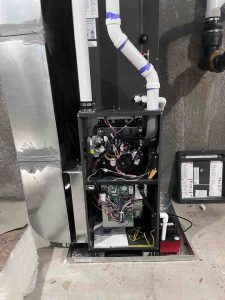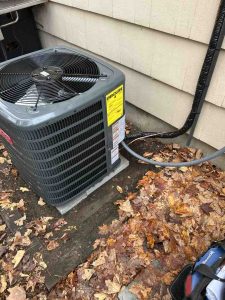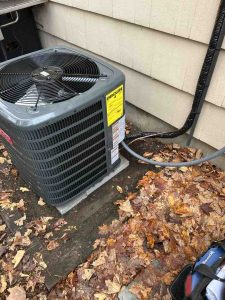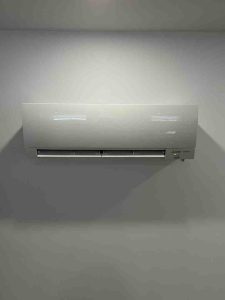
Your Furnace Won’t Last Forever — Here’s What You Need to Know
Replace old furnace before it fails you on the coldest night of the year — not after. Here’s a quick snapshot of when it’s time to act:
Quick Answer: When to Replace Your Old Furnace
| Signal | What It Means |
|---|---|
| Furnace is 15-20+ years old | Nearing or past end of useful life |
| Repair costs x furnace age > $5,000 | Replace, don’t repair |
| Heating bills rising without explanation | Efficiency is declining |
| Frequent breakdowns | Cumulative repairs rival replacement cost |
| Uneven heating or cold spots | System can no longer distribute heat properly |
| Yellow or flickering burner flame | Possible cracked heat exchanger — safety risk |
Most gas furnaces last 15 to 20 years. After that, they don’t just get less comfortable — they get more expensive to run, more likely to break down, and in some cases, genuinely unsafe.
The problem is that most homeowners wait until the furnace stops working entirely. That usually means a panicked call in January, emergency labor rates, and no time to compare options or shop smart. It’s one of the most avoidable and costly mistakes in home ownership.
There’s a better way. Knowing the warning signs — and understanding the real math behind repair versus replacement — puts you in control.
I’m Richard Marcello, President of Advanced Heating & Cooling, and with over 30 years of hands-on HVAC experience serving homeowners across Rhode Island, I’ve seen what happens when people wait too long to replace an old furnace. In this guide, I’ll walk you through exactly what to look for, what it costs, and how to make the smartest decision for your home and budget.
Quick look at Replace old furnace:
- Commercial boiler installation
- Commercial boiler installation
When is it Time to Replace an Old Furnace?

In Rhode Island, our winters aren’t just a suggestion; they are a grueling test of endurance for your home’s heating system. Determining exactly when to replace old furnace units is the difference between a cozy winter and a stressful, expensive emergency.
While a well-maintained gas furnace typically has a lifespan of 15 to 20 years, electric models might stretch to 25 or even 30 years. However, “running” and “running well” are two very different things. As a furnace ages, its internal components—like the blower motor, inducer fan, and the critical heat exchanger—begin to fatigue. According to industry statistics, furnaces lose about 1% to 2% of their efficiency every year after the ten-year mark. By the time a unit hits 20 years, it might only be delivering 60% of the heat it produces into your home, while the rest literally goes up the chimney.
If you find yourself on a first-name basis with your HVAC technician, it’s a glaring sign. Frequent repairs, even small ones like a $300 flame sensor or a $450 ignitor, add up quickly. More importantly, they signal that the system’s overall reliability is shot. If your utility bills are skyrocketing but you haven’t changed your thermostat habits, your furnace is likely working overtime just to provide a fraction of the comfort it used to. For those in our service area, finding top furnace replacement services in Smithfield can help you transition to a reliable, modern system before the next cold snap hits.
Signs You Need to Replace Old Furnace Units
Your furnace often tries to tell you it’s dying; you just need to know how to listen (and look). One of the most serious warning signs is a yellow or flickering burner flame. In a healthy gas furnace, the flame should be a crisp, steady blue. A yellow flame indicates incomplete combustion, which can lead to increased carbon emissions and, more dangerously, the production of carbon monoxide.
Other physical symptoms include:
- Strange Noises: Banging, rattling, or screeching sounds often point to a cracked heat exchanger or a failing motor.
- Soot and Dust: If you notice a buildup of “furnace dandruff” (soot or rust flakes) around the unit or coming out of the vents, the system is corroding from the inside out.
- Uneven Heating: If the living room is a sauna while the bedroom is an icebox, the furnace can no longer push air effectively through your ductwork.
- Dry, Dusty Air: Older furnaces often struggle to manage humidity, leading to static shocks, wilting plants, and dry skin for everyone in the house.
Should You Replace a 25-Year-Old Furnace?
If your furnace was installed during the Clinton administration, the answer is a resounding yes. A 25-year-old furnace is a relic of obsolete technology. These units often rely on standing pilot lights, which waste gas 24/7 just to stay lit. Modern systems use electronic igniters that only fire up when heat is actually needed.
Beyond efficiency, a 25-year-old unit poses significant safety risks. The heat exchanger—the metal chamber where gas is burned—expands and contracts thousands of times over two decades. Eventually, microscopic cracks form. These cracks can leak carbon monoxide into your home’s air supply. Because the risk of failure is nearly 100% at this age, expert furnace setup is the only way to ensure your family’s safety and peace of mind. Investing in a new unit now prevents the “dead furnace” phone call on a Sunday night in February.
The Financial Math: Repair vs. Replace
When we talk to homeowners in Smithfield or Greenville about whether to replace old furnace equipment, we often use two simple rules of thumb: the $5,000 Rule and the 50% Rule.
- The $5,000 Rule: Multiply the age of your furnace by the cost of the repair. If the total is more than $5,000, it’s time to replace. For example, a $400 repair on a 15-year-old furnace equals $6,000. That’s a bad investment.
- The 50% Rule: If a single repair costs 50% or more of what a brand-new furnace would cost, always go with the replacement.
Consider the cumulative cost. A new furnace installation typically ranges from $2,825 to $6,846, with high-end gas models reaching up to $10,000. While that seems like a lot, an old furnace can cost you $1,000 more per year in fuel and minor repairs. Over five years, you’ve spent the cost of a new furnace anyway, but you’re still stuck with an old, unreliable machine. Getting an accurate furnace replacement estimate in Smithfield allows you to see the long-term ROI of a high-efficiency upgrade.
How to Replace Old Furnace Systems for Maximum Efficiency
Efficiency is measured by AFUE (Annual Fuel Utilization Efficiency). Think of it like miles per gallon for your house. An 80% AFUE furnace means 80 cents of every dollar you spend on gas goes to heating your home, while 20 cents is wasted.
Modern “condensing” furnaces boast AFUE ratings of 95% to 98%. These units use a second heat exchanger to extract every bit of warmth from the exhaust gases. Because the exhaust is so much cooler, it doesn’t need a traditional chimney; instead, it uses direct vent installation with simple PVC pipes.
According to ENERGY STAR furnace efficiency standards, upgrading from an old 60% AFUE unit to a 96% model can save you $250 to $400 annually. Over the 20-year life of the furnace, that’s $8,000 in fuel savings—more than enough to pay for the unit itself!
Choosing the Right System for Your Home
One of the biggest mistakes a contractor can make is simply looking at your old furnace and installing the same size. Over the last 20 years, you may have added new windows, better insulation, or an addition to your home. We use a Manual J Load Calculation to determine exactly how many BTUs your home needs based on square footage, window orientation, and insulation quality.
An oversized furnace will “short cycle,” turning on and off rapidly, which wears out the parts and leaves you with cold spots. An undersized unit will run constantly, driving up your electric bill. You also need to consider your fuel source. While natural gas is common in Smithfield, some of our neighbors in more rural areas like Mapleville might consider the heat pump vs traditional furnace debate, especially with modern cold-climate heat pumps becoming so effective in Rhode Island.
Single-Stage vs. Two-Stage vs. Modulating Furnaces
When you replace old furnace units today, you aren’t just choosing a brand; you’re choosing how the furnace “breathes.”
- Single-Stage: This is like a light switch. It’s either 100% on or 100% off. It’s the most affordable but leads to the biggest temperature swings (often 3-5 degrees).
- Two-Stage: This has a “high” and “low” setting. It runs on the lower, quieter setting about 80% of the time, only kicking into high gear on the coldest Rhode Island nights. This provides much more even heat.
- Modulating: This is the “cruise control” of furnaces. It can adjust its flame in 1% increments. It keeps your home within a half-degree of your target temperature and is the quietest option on the market.
Regardless of the stage, ensuring essential steps for furnace vent pipe installation are followed is vital for safety and efficiency.
Maximizing Your Investment with Incentives
The high upfront cost of a premium furnace is much easier to swallow when you factor in current incentives. Under the Inflation Reduction Act, homeowners can claim a federal tax credit of 30% of the project cost, up to $2,000 per year, for qualifying high-efficiency heating equipment. You can find more specific IRS tax credit details on their official site.
Additionally, Rhode Island residents can often take advantage of utility rebates through programs like Rhode Island Energy. These can range from $100 to over $1,000 depending on the AFUE rating of the system you choose. We always recommend checking the DSIRE database of state incentives to see the latest offers available in our local area. At Advanced Heating & Cooling, we also offer financing options to help spread the cost of a new installation over several years, often with low or 0% interest for qualified buyers.
Frequently Asked Questions about Furnace Replacement
What is the best time of year to replace a furnace?
The absolute best time is Spring (April-May) or Early Fall (September-October). These are the “shoulder seasons” when HVAC contractors aren’t swamped with emergency calls. You’ll get better pricing, more flexible scheduling, and you won’t be shivering in a cold house while the work is being done. Replacing your furnace in the off-season is the smartest way to avoid emergency fees.
How long does a furnace installation take?
A standard furnace replacement usually takes 6 to 10 hours. If we need to modify your ductwork or install new PVC venting for a high-efficiency unit, it might take a bit longer. We handle all the permit requirements and town inspections for you, so you don’t have to worry about the red tape. If your system dies suddenly, we also offer emergency furnace replacement to get the heat back on as fast as possible.
How do I determine the right size furnace for your home?
Don’t guess! While a rough estimate is about 30-60 BTUs per square foot in our climate, that doesn’t account for your vaulted ceilings or that drafty sliding glass door. A professional load calculation is the only way to get it right. We look at your home as a complete system—insulation, windows, and all—to ensure your new furnace is a “Goldilocks” fit: not too big, not too small, but just right.
Conclusion
Deciding to replace old furnace units is a big step, but it’s one that pays dividends in comfort, safety, and lower monthly bills. At Advanced Heating & Cooling, we’ve spent over 30 years helping our neighbors in Smithfield, North Smithfield, Greenville, and Johnston stay warm through the toughest winters.
We pride ourselves on honest, quality workmanship. We don’t believe in high-pressure sales; we believe in providing you with the facts so you can make the best choice for your family. Whether you need a simple repair or a full professional heating installation, we are here to help.
Don’t wait for your furnace to leave you in the cold. Contact us today for a free estimate and let’s make sure your home is ready for whatever the Rhode Island winter throws at us.