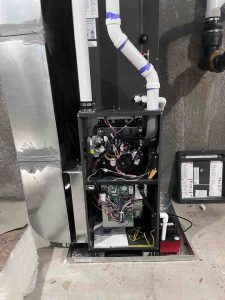
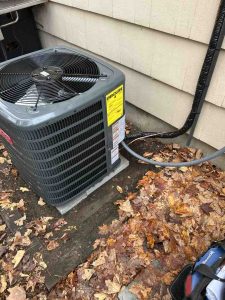
If your HVAC system is acting up, it might be time for a replacement. The average lifespan of most HVAC systems is 10 to 15 years, and if yours is getting old or having trouble, it could be costing you more in repairs and energy bills than a new system would. Below are key signs to look for to know when it’s time to replace your HVAC system.
1. Your HVAC System is Over 10-15 Years Old
One of the most common signs it’s time to replace your HVAC system is simply its age. Most HVAC systems last between 10 and 15 years, and after that, they begin to lose efficiency and require more maintenance. If your system is pushing the 10-year mark or beyond, it’s important to start thinking about replacement.
Older systems may still work, but they are far less efficient than newer models. Even with regular maintenance, the wear and tear from years of use can cause the system to work harder, which can lead to more breakdowns. When replacing your HVAC system, you can enjoy the latest energy-efficient technology that can save you money in the long run.
-
Older systems often cost more to repair: Repairing an old HVAC system is usually more expensive and less effective than replacing it with a new model.
-
Newer models are more energy-efficient: Modern HVAC systems are designed to be energy-efficient, which means they use less energy to heat or cool your home, potentially saving you hundreds of dollars a year on energy bills.
2. Rising Energy Bills
Another big red flag that your HVAC system needs replacing is consistently rising energy bills. If your energy costs have been climbing even though you’re not using more heating or cooling, your HVAC system is probably the culprit. As HVAC systems age, they lose their ability to heat or cool your home efficiently, meaning they need to run longer and work harder to maintain the same comfort levels.
Old systems can cause your energy bills to rise significantly, especially during extreme weather months when your HVAC unit is working hardest. If your system is no longer able to maintain consistent comfort in your home, it can lead to wasted energy and high utility bills. Replacing your outdated HVAC system with a modern, high-efficiency model will help reduce these energy costs.
-
Your system may be working harder than it should: An old, inefficient HVAC system has to run longer to heat or cool your home.
-
Newer models are more energy-efficient: By upgrading to a more modern system, you can enjoy lower energy costs and better temperature control.

3. Frequent Repairs
If you find yourself calling for repairs more often than you’d like, it’s probably a sign that your HVAC system is nearing the end of its life. Over time, parts wear out and stop functioning properly. Older HVAC systems often break down more frequently because the individual components, such as the compressor or heat exchanger, may need to be replaced.
Repeated breakdowns can be frustrating and costly. Constant repairs add up quickly, and each fix becomes less effective as the system continues to age. In many cases, putting money into repairs may not be the best use of your resources. A new system may require an initial investment, but the long-term savings from fewer repairs and more reliable performance could be worth it.
-
Frequent repairs are often a sign your system is on its last legs: Once a system starts to require constant repairs, it’s usually time to replace it before things get worse.
-
Constant repairs can get expensive: The costs of continual fixes can quickly surpass the cost of replacing the system altogether.
4. Uneven Heating or Cooling
Another sign that it might be time to replace your HVAC system is if you notice uneven heating or cooling in your home. If some rooms feel much warmer or colder than others, or if you constantly have to adjust the thermostat, the problem could lie with your HVAC system. Older systems can struggle to distribute air evenly throughout your home, which affects overall comfort.
Uneven temperatures in different rooms can also signal an issue with the system’s airflow, which could be caused by clogged air filters, a malfunctioning fan, or ductwork problems. If your HVAC system is no longer able to maintain consistent temperatures throughout your home, a replacement may be necessary to restore balance.
-
Check for any unusual noises or smells coming from the system: If you hear strange noises or detect unusual smells, it could indicate a malfunction in your system that affects its ability to regulate temperature effectively.
-
Your system might not be strong enough or efficient enough anymore: As systems age, their ability to heat and cool your entire home decreases, leading to discomfort in certain areas.
5. Strange Noises or Smells
If your HVAC system is making strange noises or emitting odd smells, it’s a sign that something is wrong. Loud banging, rattling, or squealing sounds coming from your system could indicate loose parts, a broken fan, or other mechanical issues. These noises can be unsettling, but they often signal that your system is no longer functioning properly.
Similarly, strange smells like burning, musty, or dusty odors could point to serious problems. A burning smell may mean there’s an electrical issue, while a musty odor could signal mold or mildew growth inside your system. These issues could be dangerous and require immediate attention. In some cases, it may be more cost-effective to replace the system than to attempt repairs that may not fully resolve the issue.
-
Odd noises can be a sign that parts are worn out or broken: If the noises are loud and persistent, it’s likely a sign that your HVAC system’s parts are deteriorating.
-
Strange smells may point to mold, burnt wiring, or other serious issues: A musty smell can indicate mold growth, while a burning odor may mean there’s an electrical issue, both of which can be costly to repair.

6. Constant Humidity Issues
An HVAC system does more than just regulate the temperature in your home—it also helps control the humidity. If you notice that your home feels too humid or too dry, it could mean your HVAC system isn’t functioning properly. A system that’s not working well will struggle to maintain a comfortable level of humidity, which can lead to discomfort and even health issues like dry skin or mold growth.
Humidity problems can also affect your home’s structure and belongings. Excess moisture can cause mold to grow in damp areas, while very dry air can crack wood floors and furniture. If your HVAC system isn’t keeping humidity in check, it might be time for a replacement.
-
Excess humidity can also cause mold or mildew to grow in your home: When humidity levels are too high, mold can develop, leading to potential health issues and costly cleanup.
-
Your HVAC system might need a replacement if it can’t keep the humidity in check: If the humidity levels continue to be an issue, it’s likely that your system isn’t performing as it should.
7. Increased Dust or Allergies
Do you feel like you’re constantly cleaning dust off surfaces or dealing with allergy symptoms inside your home? This could be a sign that your HVAC system is no longer doing its job effectively. A properly working HVAC system filters the air to remove dust, pollen, and other particles, improving indoor air quality. But over time, old or poorly maintained systems may fail to filter out dust and allergens.
If you’re noticing more dust than usual or your allergies seem to worsen when you’re indoors, it might be time to replace your HVAC system. Upgrading to a newer, more efficient system with better filtration will help keep your home cleaner and your air healthier.
-
Old filters or a failing system can contribute to poor indoor air quality: A clogged filter or failing HVAC system allows dust and allergens to circulate freely in your home.
-
Replacing your system could improve airflow and reduce dust: A new HVAC system will work more effectively to filter out harmful particles and improve indoor air quality.
Conclusion
Knowing when to replace your HVAC system is important to keep your home comfortable and your energy bills manageable. If your system is over 10 years old, requires frequent repairs, or is showing signs like rising energy bills, uneven heating, or strange noises, it may be time to consider a replacement. A new HVAC system can help save money on energy costs, reduce the need for expensive repairs, and improve comfort throughout your home. If you notice any of these warning signs, it’s a good idea to call a professional HVAC technician to assess your system and guide you through the replacement process.