What Is a Commercial Heating and Cooling System?
A commercial heating and cooling system is the backbone of any comfortable, productive business space — but with so many system types available, choosing the right one can feel overwhelming.
Here’s a quick overview of the main types:
| System Type | Best For | Typical Lifespan |
|---|---|---|
| Single-Split | Small offices, server rooms | 10-20 years |
| Multi-Split | Retail shops, restaurants | ~20 years |
| VRF/VRV | Large offices, mixed-use buildings | 10-15 years |
| Packaged Units | Hospitals, apartments, large buildings | 15-20 years |
Buildings account for 39% of all carbon emissions in the U.S. according to the U.S. Department of Energy, making the right HVAC choice important not just for comfort — but for your operating costs and environmental footprint too.
Whether you’re replacing an aging system or outfitting a new space, understanding your options is the first step to making a smart investment.
I’m Richard Marcello, President of Advanced Heating & Cooling, and with over 30 years of hands-on experience designing and servicing commercial heating and cooling systems across Rhode Island and Massachusetts, I’ve seen what works — and what doesn’t. Let’s walk through the key system types so you can make a confident, informed choice.
Explore more about commercial heating and cooling system:
- Commercial HVAC replacement cost
- Commercial HVAC mechanical contractors near me
- Commercial mechanical service
The 4 Main Types of Commercial Heating and Cooling System
Selecting a commercial heating and cooling system isn’t a one-size-fits-all process. We have to look at the “load requirements”—essentially how much heating or cooling your specific building needs based on its size, insulation, and daily activity. From the simple design of a small boutique to the installation complexity of a multi-story hospital, the architecture of your system dictates your long-term operational costs.
| Feature | Single-Split | Multi-Split | VRF/VRV | Packaged Unit |
|---|---|---|---|---|
| Typical Lifespan | 10-20 Years | ~20 Years | 10-15 Years | 15-20 Years |
| Efficiency (IEER) | Up to 15.0 | High | Very High | Mid-High |
| Building Size | Small | Small to Mid | Mid to Large | Large |
| Installation | Simple | Moderate | Complex | Moderate |
Single-Split Commercial Heating and Cooling System
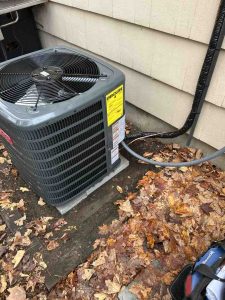
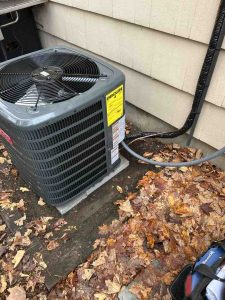
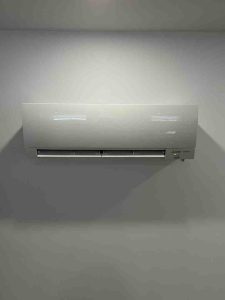
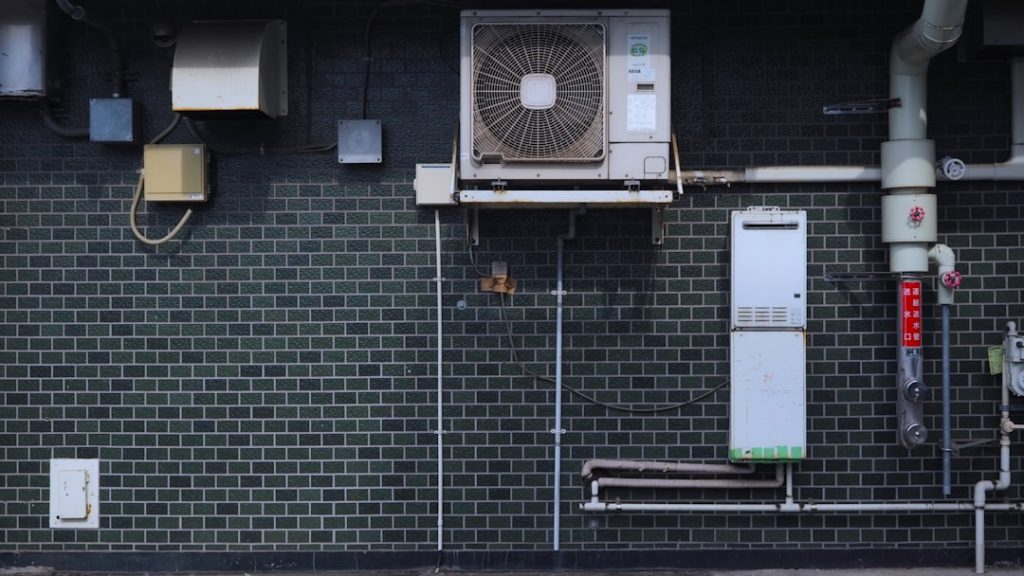
The single-split system is the most common entry point for small businesses. Its design is straightforward: one indoor unit connects to one outdoor unit. This makes it an affordable choice for independent room control.
We often recommend these for server rooms where maintaining a specific, constant temperature is critical, regardless of what the rest of the building is doing. They are also perfect for small offices, cafes, and boutiques. The downside? If you need to cool ten rooms, you need ten outdoor units, which can quickly eat up your exterior real estate. If you’re looking for focused Commercial HVAC Services for a smaller footprint, this is often your best bet.
Multi-Split Systems for Zoned Comfort
If you want to keep your outdoor space tidy but need to cool multiple rooms, the multi-split system is the answer. This setup allows up to nine indoor units to connect to a single, larger outdoor condenser.
This is a favorite for retail shops and restaurants where different areas—like the kitchen versus the dining room—have vastly different temperature needs. It saves on energy by only cooling the “zones” that are currently in use. You can learn more info about commercial zone control to see how this technology prevents “thermostat wars” in the workplace.
Variable Refrigerant Flow (VRF) and VRV Technology
VRF (Variable Refrigerant Flow) is the “luxury SUV” of the HVAC world. It is incredibly sophisticated, using refrigerant as the cooling and heating medium. The standout feature here is heat recovery. A VRF system can take the heat it removes from a room that needs cooling (like a sun-drenched corner office) and move it to a room that needs heating (like a chilly north-facing breakroom).
This simultaneous heating and cooling makes it one of the most efficient choices for large office buildings and hotels. While the initial investment is higher, the energy savings are massive. For businesses in our area, finding efficient commercial HVAC services in Smithfield that understand VRF calibration is key to seeing that return on investment.
Packaged Units: The All-in-One Commercial Heating and Cooling System
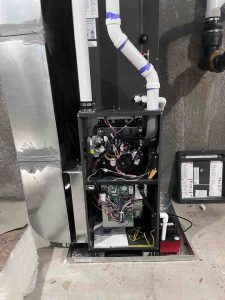
In many large commercial buildings, you’ll look up and see massive metal boxes on the roof. These are packaged units. Unlike split systems, all components—the compressor, coils, and air handler—are housed in one cabinet.
Because they are rooftop-mounted, they save valuable indoor floor space and keep mechanical noise away from occupants. They are ideal for hospitals, large warehouses, and big-box retail. However, they are sensitive to maintenance; a blocked air filter in a rooftop unit can cause a system-wide drop in efficiency very quickly. Understanding the commercial AC installation journey for these units is vital because crane rentals and roof structural reinforcements are often part of the package.
Maximizing Efficiency and Sustainability in Modern Buildings

Sustainability is no longer just a buzzword; it’s a financial strategy. With buildings accounting for 39% of carbon emissions, the push toward decarbonization and electrification is changing how we design systems. Moving away from fossil-fuel-burning furnaces toward high-efficiency electric solutions is the future.
Heat Pump Chillers and Hydronic Solutions
Modern air-to-water heat pumps are game-changers. For example, some units can offer capacities from 80 to 230 tons and operate in bone-chilling temperatures down to -15°F. These systems are modular, meaning you can add more capacity as your business grows.
Thermal storage is another brilliant innovation. By using ice tanks or water as a phase-change material, a building can “store” cooling capacity at night when electricity rates are low and use it during the heat of the day. If you are curious about transitioning, reading up on the truth about commercial heating installation can help you understand the infrastructure changes needed for hydronic systems. We also specialize in Professional commercial boiler installation for those who prefer traditional high-efficiency water-based heating.
Smart Controls and Building Automation
A commercial heating and cooling system is only as smart as its thermostat. Modern Building Automation Systems (BAS) allow for remote access and real-time energy monitoring.
Imagine being able to see a spike in energy usage on your smartphone and realizing a rooftop unit has a failing motor before it actually breaks down. This type of system optimization reduces the total cost of ownership and ensures your staff remains comfortable without you having to manually adjust dials every hour. These commercial mechanical services for modern enterprises are what separate “surviving” buildings from “thriving” ones.
Essential Factors for Selecting and Maintaining Your System
When we sit down with a business owner in Smithfield or Johnston, we look at several factors:
- Building Size & Tonnage: A system that is too small will run constantly and die young; a system that is too large will “short cycle,” leading to humidity issues and high bills.
- SEER2 and EER2 Ratings: These tell you how much “bang for your buck” you get in terms of cooling output per watt of electricity.
- Installation Costs vs. Lifecycle Costs: A cheaper unit today might cost you triple in repairs and energy over the next decade.
Indoor Air Quality (IAQ) and Occupant Productivity
The U.S. EPA identifies poor indoor air quality as one of the top five environmental risks. In a commercial setting, poor IAQ leads to “Sick Building Syndrome,” which kills productivity and increases absenteeism.
Modern commercial heating and cooling systems do more than just change the temperature. They regulate humidity to prevent mold and use advanced filtration to remove contaminants and viruses. If your system is blowing dust or smells “musty,” you might need to consult a guide to commercial air conditioner repair services to address filtration and drainage issues immediately.
Maintenance Schedules and Professional Services
We can’t stress this enough: you should have your system professionally serviced at least twice a year.
- Spring: Check the AC components before the Rhode Island humidity hits.
- Fall: Inspect the heating elements before the first frost.
Bi-annual checks extend the lifespan of your unit and prevent the dreaded “emergency repair” call on a holiday weekend. When you’re choosing commercial HVAC mechanical contractors, look for those who offer comprehensive service agreements. Regular AC maintenance is the only way to ensure your 15-year unit actually lasts 15 years.
Future Trends: Electrification and Financial Incentives
The future of the commercial heating and cooling system is electric. As local regulations in places like North Smithfield and Providence begin to favor lower carbon footprints, businesses are looking at heat recovery and all-electric VRF systems to future-proof their properties.
The good news? There are often significant rebates and financing options available for upgrading to high-efficiency equipment. Whether it’s federal tax credits or local utility incentives, the “green” choice is often the most financially sound one. Before you commit, make sure you are unpacking the price tag of commercial AC replacement to see how these incentives can offset your initial costs.
Frequently Asked Questions about Commercial HVAC
How long does a commercial HVAC system typically last?
On average, you can expect:
- Single-Split: 10 to 20 years.
- Multi-Split: Around 20 years.
- VRF Systems: 10 to 15 years (due to higher complexity and constant operation).
- Packaged Units: 15 to 20 years. If your system is approaching the 15-year mark, it’s time to consult a seamless commercial AC and heating replacement guide to start planning your next move before a total failure occurs.
What factors influence the cost of a new commercial system?
The biggest drivers are tonnage (the cooling capacity), the energy efficiency rating (higher SEER2 = higher cost but lower bills), and the condition of your existing ductwork. If we have to replace miles of leaky ducts, the labor costs will rise. For those looking at heating specifically, expert commercial furnace replacement involves calculating the “Annual Fuel Utilization Efficiency” (AFUE) to ensure you aren’t literally burning money.
How can businesses improve energy efficiency with modern solutions?
The “big three” are:
- Switching to Heat Pumps: They move heat rather than creating it, which is inherently more efficient.
- Variable Speed Motors: Instead of being “all on” or “all off,” these motors adjust their speed to match the exact needs of the building.
- Smart Thermostats: They learn your business hours and adjust temperatures automatically when the building is empty. Working with the best commercial heating contractors will help you identify which of these will have the fastest payback period for your specific facility.
Conclusion
Navigating commercial heating and cooling systems doesn’t have to be a headache. Whether you’re running a restaurant in Greenville, a retail shop in Smithfield, or a large facility in Woonsocket, the right system will pay for itself through lower energy bills and a more productive workforce.
At Advanced Heating & Cooling, we’ve spent over 30 years serving our neighbors in Rhode Island and Massachusetts. We are a locally owned and operated team known for honest advice and quality workmanship. We don’t just sell boxes; we design comfort solutions that last.
Ready to upgrade your business’s climate control? We offer free estimates and expert consultations to help you find the perfect fit. Schedule your commercial heating and cooling consultation with us today and let’s get your business running at peak efficiency!