What to Do When Your Heat Pump Is Not Heating
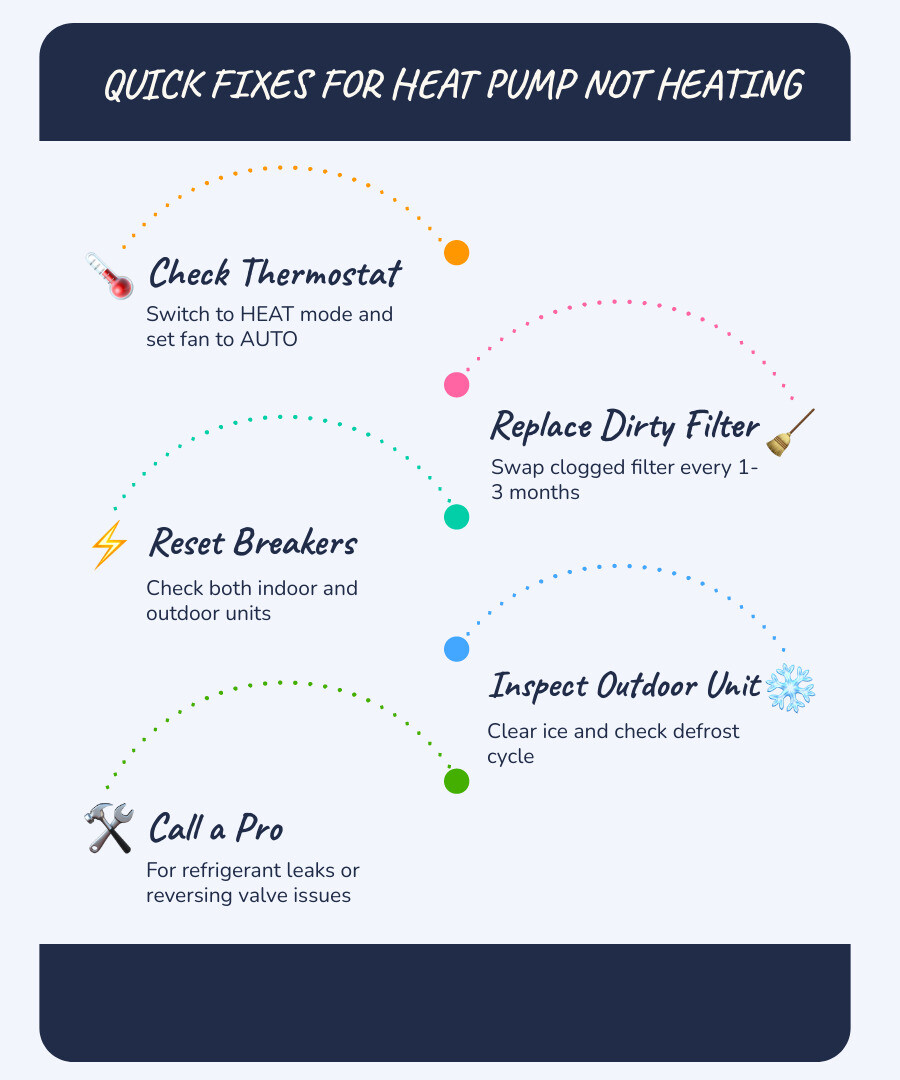
If your heat pump is not heating your home, here are the most common causes and what to check first:
| Cause | Quick Check |
|---|---|
| Wrong thermostat setting | Switch to HEAT mode, fan to AUTO |
| Dirty air filter | Replace if clogged — every 1-3 months |
| Tripped circuit breaker | Reset both indoor and outdoor breakers |
| Outdoor unit iced over | Check defrost cycle — may be temporary |
| Low refrigerant | Listen for hissing; call a pro |
| Faulty reversing valve | System cools instead of heats — call a pro |
| Power switch off | Check indoor unit’s dedicated on/off switch |
It’s one of the worst feelings — it’s cold outside, you’ve turned on the heat, and your home just isn’t warming up. Maybe the air from your vents feels lukewarm. Maybe it feels downright cold. Either way, something isn’t right.
The good news? Many heat pump heating problems have simple fixes you can handle yourself. A wrong thermostat setting or a clogged air filter can stop your system from heating just as effectively as a major mechanical failure.
But some issues — like a refrigerant leak or a failed reversing valve — do require a licensed HVAC technician. Knowing the difference can save you time, money, and a lot of frustration.
I’m Richard Marcello, President of Advanced Heating & Cooling in Smithfield, RI, and with over 30 years of hands-on experience diagnosing and repairing heat pump not heating problems across Rhode Island, I’ve seen every cause in the book. This guide walks you through exactly what to check — and when to call for help.
Heat pump not heating terms explained:
Why Is Your Heat Pump Not Heating?
A heat pump does not create heat the same way a furnace does. Instead, it moves heat. In heating mode, your outdoor unit pulls heat from the outside air, the refrigerant carries that heat indoors, and your indoor air handler distributes it through your home.
Yes, there is still usable heat in outdoor air even when it feels cold outside. That said, heat pumps work harder as temperatures drop. Standard heat pumps can begin to struggle when outdoor temperatures fall around 25°F to 30°F, which is when auxiliary heat may help keep your home comfortable.

A heat pump not heating can mean several different things:
- The system is running, but the air feels cool.
- The heat pump starts and stops too often.
- The outdoor unit is frozen solid.
- The indoor fan runs, but the outdoor unit does not.
- The system heats in mild weather but cannot keep up during cold snaps.
- The heat pump cools when it should be heating.
This is also why homeowners who switch from a furnace to a heat pump sometimes think something is wrong when the system is actually working normally. Heat pumps are steady and efficient, but they usually do not blast very hot air. For a deeper comparison, see our guide on heat pumps vs traditional furnaces.
Common Reasons for a Heat Pump Not Heating
Here are the most common causes we check when a heat pump is not warming the home properly.
- Incorrect thermostat settings
This is the first thing to check because it is also one of the easiest to fix. Your thermostat should be set to HEAT, not COOL or OFF. The fan should usually be set to AUTO, not ON. If the fan is set to ON, it may blow room-temperature air between heating cycles, which can feel like the system is blowing cold air.
- Dirty air filter
A clogged filter restricts airflow. When airflow drops, the system cannot transfer heat properly. It may run longer, heat poorly, freeze up, or shut down on a safety control.
- Tripped breaker or power switch
Heat pumps usually have electrical power feeding both the indoor air handler and the outdoor unit. A tripped breaker, off switch, or outdoor disconnect can stop one part of the system from working.
- Outdoor unit iced over
Some frost is normal in winter. A heat pump should enter defrost mode to melt it. But heavy ice that does not clear can point to airflow problems, low refrigerant, sensor issues, or a defrost control problem.
- Low refrigerant or refrigerant leak
Refrigerant does not get “used up” like fuel. If the charge is low, there is usually a leak. Low refrigerant reduces heat transfer and can eventually damage the compressor.
- Bad reversing valve
The reversing valve is the part that switches refrigerant flow between heating and cooling. If it sticks or fails, your heat pump may stay in cooling mode even though your thermostat is calling for heat.
- Compressor or capacitor failure
The compressor is the heart of the refrigerant system. If it cannot start or run, your heat pump cannot move heat effectively. Capacitors, contactors, wiring problems, or compressor wear can all cause failure. We explain this more in our article on diagnosing frequent heat pump compressor failures.
- Auxiliary heat not working
When it gets very cold, many heat pump systems rely on electric resistance heat strips or another backup heat source. If auxiliary heat does not engage when needed, your home may never reach the thermostat setting.
For additional general troubleshooting guidance, this heat pump troubleshooting resource explains several basic checks homeowners can perform before calling for service.
Is It Normal for a Heat Pump to Blow Lukewarm Air?
Yes, it can be completely normal.
Heat pumps typically deliver supply air around 85°F to 95°F. That is warm enough to heat your home, but because your body temperature is about 98.6°F, the air may feel lukewarm or even slightly cool on your hand. Furnaces often produce air over 100°F, and some gas furnaces deliver much hotter air than that.
So if your vents are not blasting furnace-style heat, do not panic. Heat pumps are more like a steady jog than a dramatic sprint. Less “dragon breath,” more “quiet efficiency.”
| Heating System | Typical Supply Air Feel | What It Means |
|---|---|---|
| Heat pump | 85°F to 95°F | Normal steady heating |
| Gas or oil furnace | 100°F+ | Hotter air, shorter cycles |
| Heat pump in defrost | Temporarily cool | Normal if brief |
| Heat pump with a problem | Room temperature or cold for long periods | Needs troubleshooting |
Lukewarm air is normal if:
- The home is gradually warming up.
- The heat pump runs longer cycles.
- The outdoor unit is operating normally.
- The air is warm at the vent, just not hot.
Cold air is not normal if:
- It continues for more than a short defrost cycle.
- The thermostat is set correctly but the temperature keeps dropping.
- The outdoor unit is frozen solid.
- The system cools the home in heating mode.
DIY Troubleshooting: What to Check First
Before calling for repair, there are several safe checks you can do. These simple steps solve many no-heat calls, especially after power outages, thermostat changes, filter neglect, or the first cold snap of the season.

Quick DIY checklist:
- Make sure the thermostat is set to HEAT.
- Set the fan to AUTO.
- Raise the thermostat 3 to 5 degrees above room temperature.
- Replace the thermostat batteries if applicable.
- Check the air filter and replace it if dirty.
- Make sure supply and return vents are open.
- Check both indoor and outdoor circuit breakers.
- Confirm the indoor air handler switch is ON.
- Check the outdoor disconnect switch.
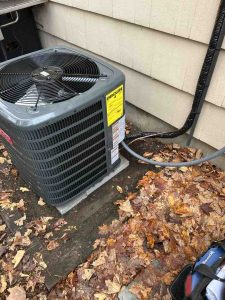
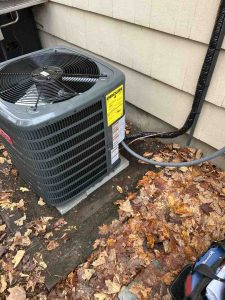
- Clear leaves, snow, and debris from around the outdoor unit.
- Give defrost mode time to finish if the unit is lightly frosted.
- Do not chip ice off the coil with tools.
To check a breaker safely, look for a breaker that is in the middle position or marked as tripped. Turn it fully OFF, then back ON. If it trips again, stop resetting it and call a professional. Repeated breaker trips can indicate a serious electrical or mechanical issue.
Also check the indoor unit’s dedicated power switch. It can look like a regular light switch and may be near the air handler. We have seen many “major breakdowns” fixed by flipping a switch back on. Not glamorous, but wonderfully effective.
Thermostat Settings for a Heat Pump Not Heating
Thermostat settings cause more heating confusion than most people expect. If your heat pump not heating issue started after a power outage, battery change, Wi-Fi thermostat update, or seasonal switch from cooling to heating, start here.
Use this thermostat checklist:
- Mode: Set to HEAT.
- Fan: Set to AUTO.
- Temperature: Set several degrees above the current room temperature.
- Schedule: Make sure the programmed schedule is not lowering the setpoint.
- Batteries: Replace them if the display is dim or blank.
- Smart thermostat settings: Confirm it is configured for a heat pump, not a conventional furnace.
- Emergency heat: Make sure it is not turned on by accident.
Fan settings matter. When the fan is set to ON, the blower runs even when the heat pump is not actively heating. That can make room-temperature air feel cool at the vents. AUTO is usually the better setting for comfort and efficiency.
Some heat pump thermostats also control auxiliary heat. If the thermostat is misconfigured, the backup heat may not engage when outdoor temperatures drop. If your thermostat was recently replaced and the heating has not worked correctly since, call us for diagnosis.
This heat pump not heating guide also highlights thermostat mode, fan settings, airflow, and refrigerant issues as common places to start.
The Impact of a Dirty Air Filter
A dirty filter may seem minor, but it can cause major heating problems. Your heat pump depends on airflow to move heat across the indoor coil. When the filter clogs, the system has to work harder to move less air.
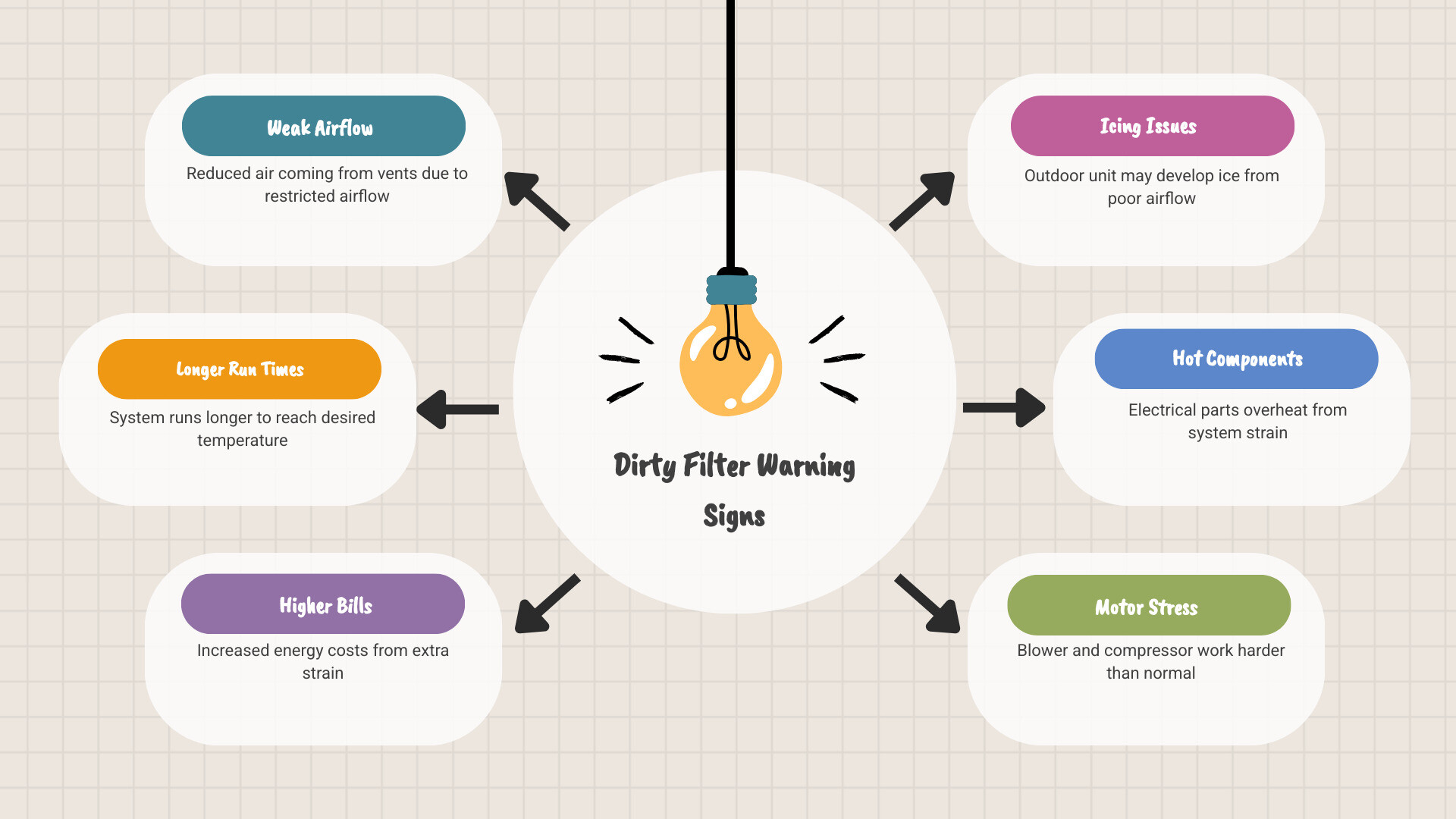
A clogged filter can cause:
- Weak airflow from vents
- Longer run times
- Poor heating performance
- Higher energy bills
- Indoor coil temperature problems
- Outdoor unit icing
- Overheated electrical components
- Extra strain on the blower motor and compressor
If you are not sure whether the filter is dirty, remove it and hold it up to a light. If you can barely see light through it, replace it.
Most standard filters should be changed every 1 to 3 months. You may need to replace them more often if you have pets, allergies, construction dust, high system use, or a home with heavy indoor activity. During Rhode Island heating season, checking monthly is a smart habit.
For more seasonal care tips, read our Smithfield homeowner guide to heat pump maintenance.
When to Call a Professional for Heat Pump Repair
Some heat pump problems are not DIY-friendly. Refrigerant, high-voltage electrical components, compressor diagnostics, and reversing valve repairs require training, tools, and proper licensing.
Call a professional if:
- The breaker trips repeatedly.
- The outdoor unit is covered in thick ice.
- You hear grinding, buzzing, or loud rattling.
- You smell burning or electrical odors.
- The system blows cold air continuously in HEAT mode.
- The heat pump heats poorly after you replace the filter and check settings.
- You suspect low refrigerant.
- The outdoor fan runs but the compressor does not.
- The indoor unit runs but the outdoor unit is silent.
- Emergency heat is the only way to stay warm.
- Your energy bill suddenly jumps without a clear reason.
For urgent no-heat situations, especially during cold weather in Smithfield, North Smithfield, Greenville, Forestdale, Slaterville, Georgiaville, Esmond, Woodville, Mapleville, Stillwater, or Johnston, our team can help. Learn more about emergency heating repair in Smithfield.
Signs of a Refrigerant Leak or Reversing Valve Failure
Refrigerant and reversing valve issues are two of the most important problems to catch early.
Signs of a possible refrigerant leak include:
- Hissing or bubbling sounds near the lines or coil
- Ice forming on the outdoor unit or refrigerant lines
- Weak heating and cooling performance
- Long run times
- The system never reaching the thermostat setting
- Higher electric bills
- Oily residue near refrigerant connections
Low refrigerant is a problem because the heat pump cannot absorb and release heat correctly without the right charge. It can also cause the compressor to overheat or fail. Adding refrigerant without repairing the leak is not a real fix.
Signs of a bad reversing valve include:
- The system cools when set to HEAT.
- The system heats when set to COOL.
- The outdoor unit runs, but indoor air temperature is wrong.
- The problem appears during seasonal changeover.
- You hear unusual hissing or shifting sounds that do not resolve.
The reversing valve is basically the traffic director for refrigerant. If it sends refrigerant the wrong way, your heat pump may act like an air conditioner in the middle of winter. Great in July. Less charming in January.
This manufacturer guide to heat pump heating problems also discusses low refrigerant, frozen outdoor coils, reversing valve issues, and airflow problems as common causes.
Deciding Between Repair and Replacement
Not every heat pump issue means you need a new system. Many problems are repairable, especially if the unit is relatively young and has been maintained.
Repair may make sense if:
- The heat pump is under 10 to 12 years old.
- This is the first major repair.
- The system has been maintained regularly.
- The repair is minor or moderate.
- Your energy bills have been stable.
- The system is properly sized for your home.
Replacement may be worth considering if:
- The system is 12 to 15+ years old.
- Repairs are becoming frequent.
- A major component has failed.
- Energy bills keep rising.
- Comfort is uneven from room to room.
- The system uses older technology.
- Repair costs are approaching a large share of replacement cost.
A good rule of thumb: if an older system needs an expensive repair and has a history of breakdowns, replacement may be the better long-term investment. Newer heat pumps can be more efficient, quieter, and better suited for cold-weather performance.
If you are unsure, we can inspect the system, explain your options clearly, and help you compare repair vs replacement without pressure. You can also review our guide on when it is time to replace your HVAC system.
Frequently Asked Questions About Heat Pumps
Why is my outdoor heat pump unit covered in ice?
Some frost or light ice can be normal during cold, damp weather. Your heat pump has a defrost cycle that temporarily reverses operation to warm the outdoor coil and melt frost. During defrost, you may notice:
- Steam rising from the outdoor unit
- The outdoor fan stopping
- A whooshing sound
- Cool air from vents for a short time
- Auxiliary heat turning on indoors
A normal defrost cycle usually lasts several minutes. If the ice clears and the system goes back to heating, that is normal.
Heavy ice is different. Call for service if:
- The entire outdoor unit is encased in ice.
- Frost never melts.
- The fan blades are blocked.
- Ice returns quickly after defrost.
- The system cannot keep up with heating.
- You see ice on the refrigerant lines.
Common causes of excessive ice include dirty filters, blocked outdoor airflow, low refrigerant, a bad defrost sensor, a faulty defrost control board, or drainage problems around the unit.
Do not use sharp tools to chip ice off the coil. That can damage the fins or refrigerant tubing. If snow is packed around the unit, gently clear it away and maintain open airflow around the cabinet.
When should I use emergency or auxiliary heat?
Auxiliary heat and emergency heat are related, but they are not exactly the same.
Auxiliary heat usually turns on automatically when the heat pump needs help. This may happen when:
- Outdoor temperatures drop near the heat pump’s lower efficiency range.
- The thermostat is raised several degrees at once.
- The system is recovering from a setback schedule.
- The heat pump is in defrost mode.
Emergency heat is different. It is usually a manual thermostat setting that tells the system to rely on backup heat instead of normal heat pump operation.
Use emergency heat only when:
- The outdoor unit is not working.
- The heat pump is iced over and cannot heat.
- A technician tells you to use it temporarily.
- You are waiting for repair and need safe indoor temperatures.
Do not use emergency heat as a long-term solution. Electric resistance backup heat can cost 2 to 3 times more to operate than normal heat pump heating. It is useful in a pinch, but it is not meant to be your everyday heating mode.
How often should I change my heat pump air filter?
Most homeowners should change a standard heat pump air filter every 1 to 3 months. Check it monthly during heavy heating and cooling seasons.
Change it more often if:
- You have pets.
- Someone in the home has allergies or asthma.
- The system runs frequently.
- You recently renovated or created dust.
- The filter looks gray, clogged, or dusty.
- Airflow from vents feels weak.
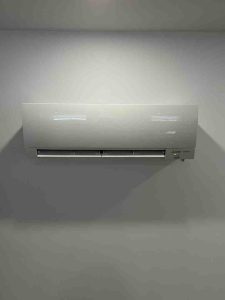
Ductless mini-split filters are different. Many are washable and should be cleaned according to the manufacturer’s instructions, often more frequently than disposable central system filters.
Clean filters help your system heat better, use less energy, and avoid unnecessary wear. It is one of the cheapest ways to prevent a service call, which makes it our favorite kind of maintenance: simple, affordable, and not mysterious.
Conclusion
When your heat pump is not heating, start with the basics: thermostat settings, fan mode, air filter, breakers, power switches, and outdoor unit airflow. Many problems are simple and safe to correct yourself.
But if the system keeps blowing cold air, trips breakers, freezes heavily, makes strange noises, or appears to have a refrigerant or reversing valve problem, it is time to bring in a professional.
At Advanced Heating & Cooling, we are locally owned and operated in Smithfield, RI, with more than 30 years of experience serving homeowners and businesses in Smithfield, Forestdale, Slaterville, Greenville, Georgiaville, Esmond, North Smithfield, Woodville, Mapleville, Stillwater, and Johnston. We believe in honest answers, quality workmanship, and free estimates.
Preventative maintenance is the best way to avoid emergency heat pump repairs. A seasonal tune-up helps catch airflow, electrical, refrigerant, and defrost issues before they leave you cold.
Need help now? Schedule professional service through our heating installation and repair team.