How to Do HVAC Maintenance in 7 Easy Steps
Is Your HVAC System Actually Maintained — Or Just Running?
HVAC maintenance is the regular process of inspecting, cleaning, and tuning your heating and cooling system to keep it running safely and efficiently. Here’s a quick overview of what it involves:
The 7 basic steps of HVAC maintenance:
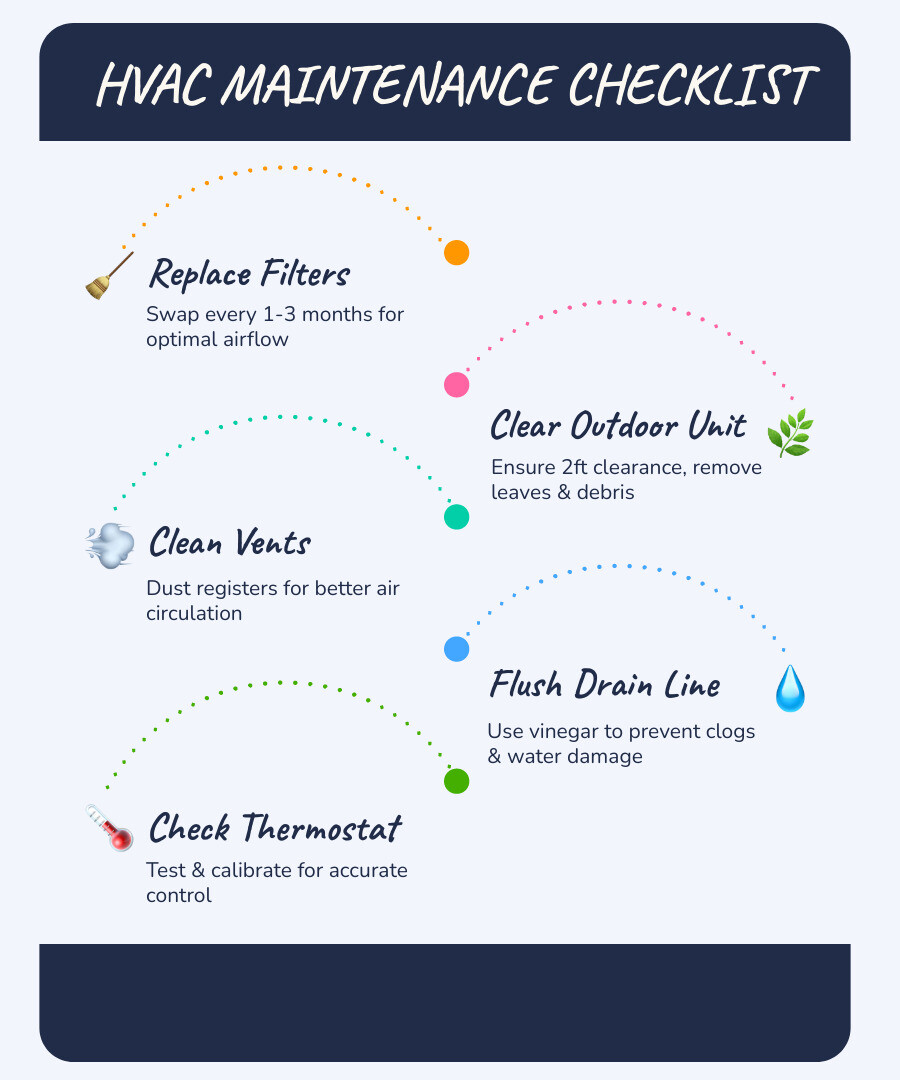
- Replace air filters (every 1–3 months)
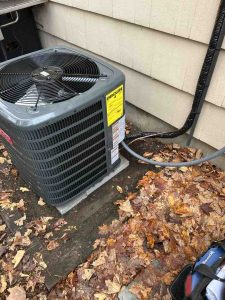
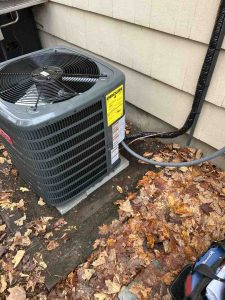
- Clear debris around the outdoor unit (2-foot clearance minimum)
- Clean vents and registers
- Flush the condensate drain line
- Do a visual inspection of components
- Test and calibrate the thermostat
- Schedule a professional tune-up twice a year
Most homeowners don’t think about their HVAC system until something goes wrong — usually on the hottest day in July or the coldest night in January. By then, you’re looking at emergency repair bills that can run three to five times the cost of a simple annual maintenance visit.
The good news? Keeping your system in shape doesn’t have to be complicated. A few simple habits and one or two professional visits per year can prevent the vast majority of breakdowns, lower your energy bills, and add years to your system’s life.
I’m Richard Marcello, President of Advanced Heating & Cooling, and with over 30 years of hands-on HVAC maintenance experience serving homeowners and businesses across Rhode Island, I’ve seen how a little preventive care saves thousands in avoidable repairs. Let’s walk through exactly what you need to do — step by step.
Discover more about hvac maintenance:
Why Regular HVAC Maintenance is Essential in 2026
As we move through April 2026, the landscape of home comfort is changing. Energy prices remain a top concern for families in Smithfield and across Rhode Island, and environmental regulations are shifting how our systems operate. Simply put, hvac maintenance isn’t just a “nice-to-have” anymore; it’s a financial and operational necessity.
One of the most immediate impacts you’ll notice is on your wallet. When your system is clean and well-lubricated, it doesn’t have to fight against friction or clogged pathways to move air. This translates directly into energy savings. In fact, how regular hvac maintenance can save you money in the long run is often measured in hundreds of dollars saved on utility bills over a single season.
Beyond the monthly bills, there is the “95% rule.” Industry data consistently shows that preventive maintenance can avoid up to 95% of system breakdowns. Think about that—almost every emergency “no-heat” call we receive in the dead of winter could have been caught and fixed during a routine fall inspection. This level of importance of hvac maintenance cannot be overstated when your family’s comfort is on the line.
Furthermore, we are currently navigating the 40% reduction in HFC (hydrofluorocarbon) production that began in 2024. As these older refrigerants become scarcer and more expensive, maintaining your system’s integrity to prevent leaks is more critical than ever. Regular annual HVAC maintenance ensures that your system remains compliant with modern environmental standards while reducing your home’s overall carbon footprint.
Improving Energy Efficiency and Air Quality
Did you know that indoor air pollutant levels are often 2 to 5 times higher than outdoor levels? In a tightly sealed home during a Rhode Island winter, your HVAC system is the primary line of defense for your respiratory health.
When we talk about the importance of regular ac maintenance in Smithfield RI, we aren’t just talking about cold air. We are talking about filtration. A dirty filter or a grime-covered evaporator coil becomes a breeding ground for dust mites, allergens, and even mold. By optimizing airflow and ensuring your filters are efficient, you significantly reduce the dust circulating through your rooms.
Efficiency is also a matter of physics. HVAC systems account for roughly 40% of energy consumption in most buildings. A dirty condenser coil alone can cause an air conditioner to use 10% to 20% more energy just to provide the same amount of cooling. By keeping these components clean, you ensure the heat transfer process happens as quickly and cheaply as possible.
Seasonal HVAC Maintenance Checklist
In our region, we experience the full spectrum of seasons—from humid summers in Greenville to freezing winters in North Smithfield. Your system needs different types of care depending on what the thermometer says.
- Spring Preparation: This is the time to get your AC ready. We focus on cleaning the outdoor condenser, checking refrigerant levels, and ensuring the condensate drain is clear before the humidity hits.
- Fall Tune-Up: Before you switch on the furnace or boiler, we perform safety checks on heat exchangers and ignition systems. This is vital for heating system maintenance in Smithfield to prevent carbon monoxide risks.
- Winter Readiness: Use a winter hvac maintenance checklist for home to ensure your insulation is holding up and your thermostat is programmed for efficiency.
- Summer Shutdown: When the cooling season ends, follow a summer hvac shut down checklist to protect your outdoor unit from debris and prepare for the idle months.
For those with heat pumps, maintenance is a year-round job. Since these systems provide both heating and cooling, they essentially do double the work and require professional eyes at least twice a year to ensure the reversing valve and defrost cycles are functioning perfectly.
7 Easy Steps for Homeowner HVAC Maintenance

While some tasks require a licensed technician, there are several “DIY” steps you can take to keep your system happy. Here is our 7-step guide for the proactive homeowner.
Step 1: Filter Replacement
This is the single most important task you can perform. A clogged filter restricts airflow, forcing your motor to work harder and potentially causing your coils to freeze or your furnace to overheat. We recommend checking your filter every 30 days. If you have pets or allergies, you may need to replace it monthly. For most, how often you should replace your hvac air filter usually ends up being every 60 to 90 days.
Step 2: Outdoor Clearance
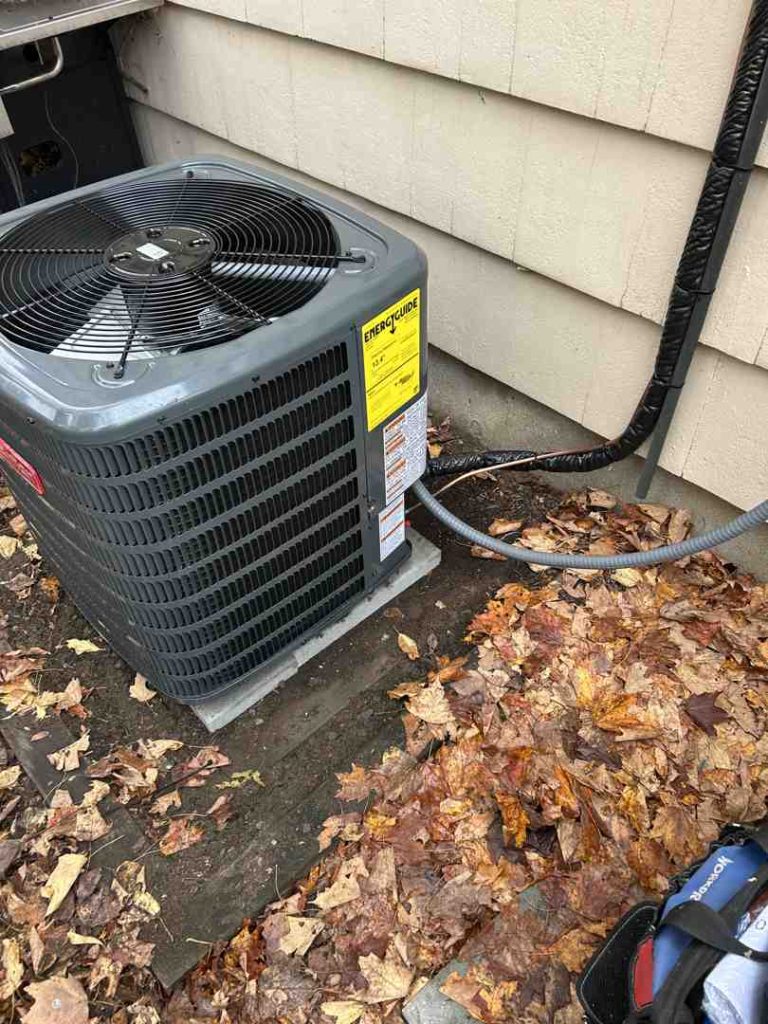
Your outdoor condenser unit needs to “breathe” to release the heat it pulled from your home. Follow the 2-foot rule: ensure there are at least two feet of clear space around the unit. Trim back shrubs, remove tall grass, and clear away any fallen leaves or branches.
Step 3: Vent Cleaning
Dust and pet hair love to collect on your supply and return grilles. Use a vacuum with a brush attachment to clear these off. This simple guide to ac filter and vent maintenance helps maintain proper static pressure in your ductwork, preventing the system from “suffocating.”
Step 4: Drain Line Flush
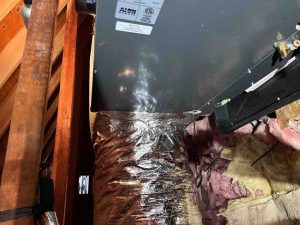
Your AC removes moisture from the air, which exits through a plastic condensate pipe. Over time, algae and slime can grow inside this pipe, leading to clogs and water damage. Once a year, pour a cup of white vinegar down the drain line (usually located near the indoor unit) to kill any biological growth.
Step 5: Visual Inspection
Take five minutes to walk around your system. Do you see any frayed wires? Is there standing water in the drain pan? Are the insulation jackets on the refrigerant lines torn? Catching these small visual cues early can prevent a total system failure later.
Step 6: Thermostat Check
Change the batteries in your thermostat annually. If you have an older mechanical thermostat, check that it is level; if it’s tilted, the mercury switch might not read the temperature accurately. Consider upgrading to a smart thermostat, which can often alert you when it’s time for hvac maintenance.
Step 7: Professional Scheduling
The final step is the most critical: call in the pros. Some things just can’t be DIY-ed, like checking high-voltage connections or measuring refrigerant pressure.
Signs Your System Needs Immediate HVAC Maintenance
Sometimes your system will “tell” you it’s struggling before it actually quits. Keep an ear and nose out for these red flags:
- Unusual Noises: Screeching, banging, or rattling often points to a loose belt or a failing motor bearing.
- Rising Bills: If your usage hasn’t changed but your bill has jumped 20%, your system is losing efficiency.
- Inconsistent Temperatures: If the living room is a sauna but the bedroom is an icebox, you likely have airflow or ducting issues.
- Short Cycling: If the unit turns on and off every few minutes, it’s likely overheating or has a failing sensor.
- Odor Detection: A “dirty sock” smell indicates mold on the coils, while a burning smell suggests electrical trouble.
- Visible Leaks: Any water or oil around the base of your unit requires immediate regular heating maintenance or cooling repair.
Professional vs. DIY: When to Call a Technician
It can be tempting to try and fix everything yourself, but HVAC systems are complex machines involving high-voltage electricity, flammable gases, and pressurized chemicals.
| Task | DIY | Professional |
|---|---|---|
| Filter Replacement | Yes | Included in Tune-up |
| Clearing Debris/Leaves | Yes | Yes |
| Cleaning Vents/Registers | Yes | Yes |
| Checking Refrigerant Levels | No | Yes (EPA Certified) |
| Electrical Connection Tightening | No | Yes |
| Component Lubrication | No | Yes |
| Combustion Analysis (Gas) | No | Yes |
| Deep Coil Cleaning | No | Yes |
| Ductwork Leak Repair | No | Yes |
When a technician from Advanced Heating & Cooling visits your home in Smithfield or Johnston, we go far beyond a simple “look-over.” We perform a comprehensive hvac repair and maintenance check that includes testing safety controls, cleaning the blower housing, and ensuring the system’s “amp draw” is within manufacturer specifications. According to the HVAC Laboratory, these professional checks are what actually extend the lifespan of your equipment from 10-15 years to 20+ years.
Frequently Asked Questions about HVAC Maintenance
How much does HVAC maintenance cost and is it worth it?
A standard professional tune-up typically costs between $100 and $300, depending on the system type. Is it worth it? Absolutely. When you consider that an emergency blower motor replacement can cost $800+ and a new compressor can run into the thousands, a $150 tune-up is the best insurance policy you can buy.
Furthermore, you have to look at the ROI. Is hvac maintenance worth it? Most homeowners see a 10-15% reduction in their monthly energy bills after a professional cleaning. Over a long Rhode Island winter, that savings alone often pays for the maintenance visit itself. There are also benefits of a regular heating system that are harder to quantify but just as important, such as the peace of mind that your furnace won’t quit during a blizzard.
What is the difference between maintenance, inspection, and repair?
- Maintenance: Proactive, scheduled care (cleaning, lubricating, adjusting) to prevent issues.
- Inspection: A diagnostic assessment, often done during a home sale or after a storm, to see if the system is up to code and functioning.
- Repair: Corrective action taken after a part has already failed.
Maintenance is designed to keep you out of the repair category. Additionally, most manufacturer warranties require proof of regular maintenance to remain valid. If your compressor fails in year five but you’ve never had a professional tune-up, the manufacturer may deny your claim.
Should I choose an HVAC maintenance plan or contract?
For many of our neighbors in Esmond and North Smithfield, a maintenance plan is the easiest way to stay on track. These plans typically offer:
- Scheduled Reminders: We call you when it’s time for your spring or fall visit.
- Priority Service: If your system does break down during a heatwave, plan members move to the front of the line.
- Discounts: Many plans include 10-15% off any repairs or parts needed.
- Peace of Mind: Knowing that a professional has vetted your system for safety and efficiency.
Conclusion
At the end of the day, your HVAC system is likely the most expensive appliance in your home. Treating it with a little respect through regular hvac maintenance ensures it returns the favor with years of reliable, low-cost comfort.
At Advanced Heating & Cooling, we’ve spent over 30 years perfecting our craft right here in Smithfield, RI. We pride ourselves on honest, quality workmanship—whether we’re visiting a residential home in Mapleville or a commercial building in Johnston. We understand the local climate and exactly what Rhode Island systems need to survive it.
If you haven’t had your system checked recently, don’t wait for the first heatwave of 2026 to find out there’s a problem. We offer free estimates and a team of experts ready to keep your home comfortable all year long.
Explore more about our HVAC maintenance services and tips here. Ready to breathe easier? Give us a call today!