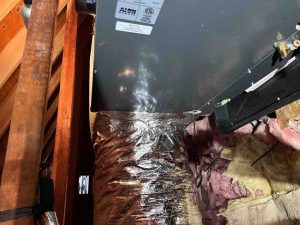
Why AC Drain Line Cleaning Matters for Rhode Island Homeowners
AC drain line cleaning is a simple maintenance task that prevents water damage, mold growth, and system breakdowns in your home. Here’s what you need to know:
Quick Answer: How to Clean Your AC Drain Line
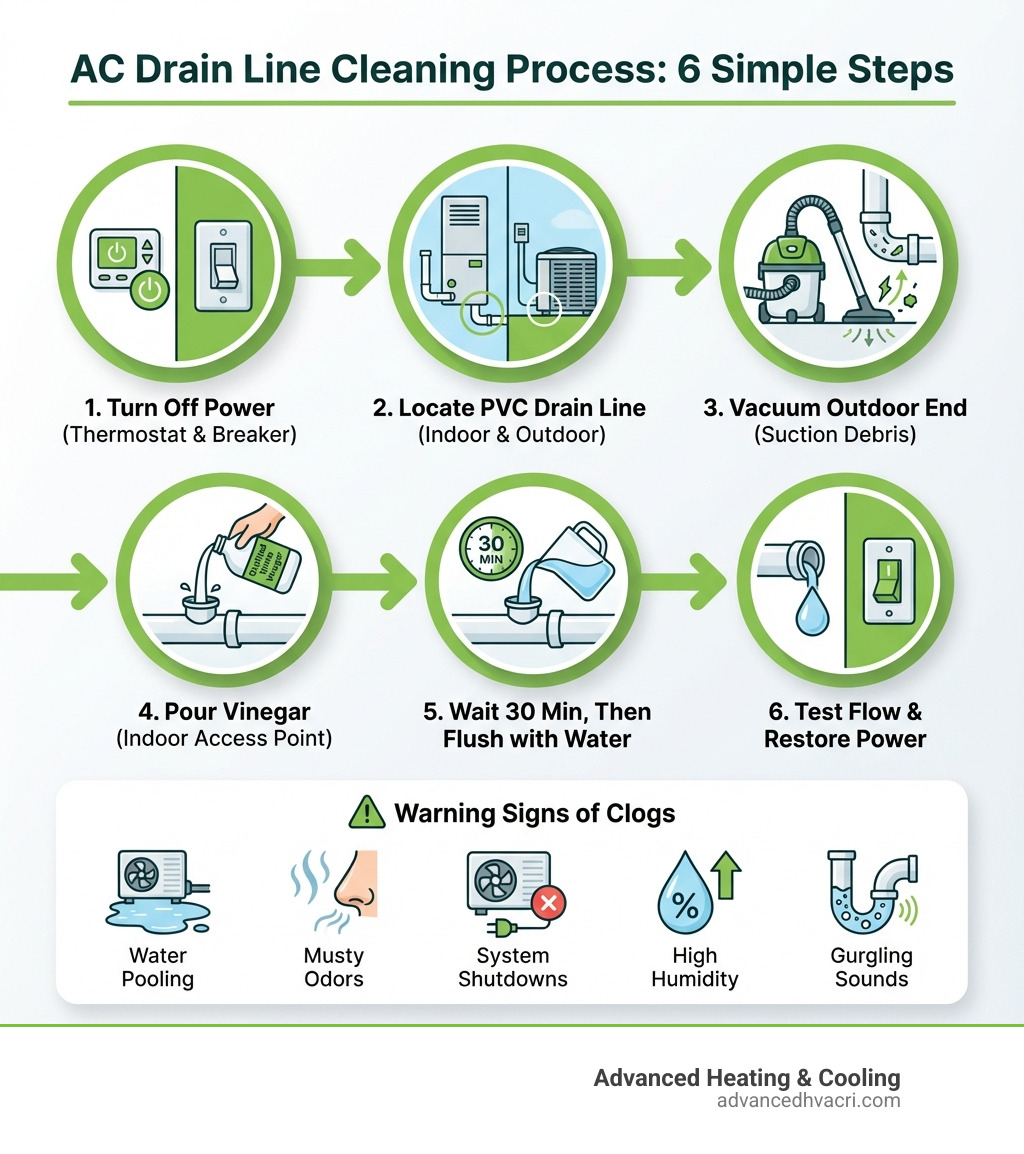
- Turn off power at the thermostat and breaker
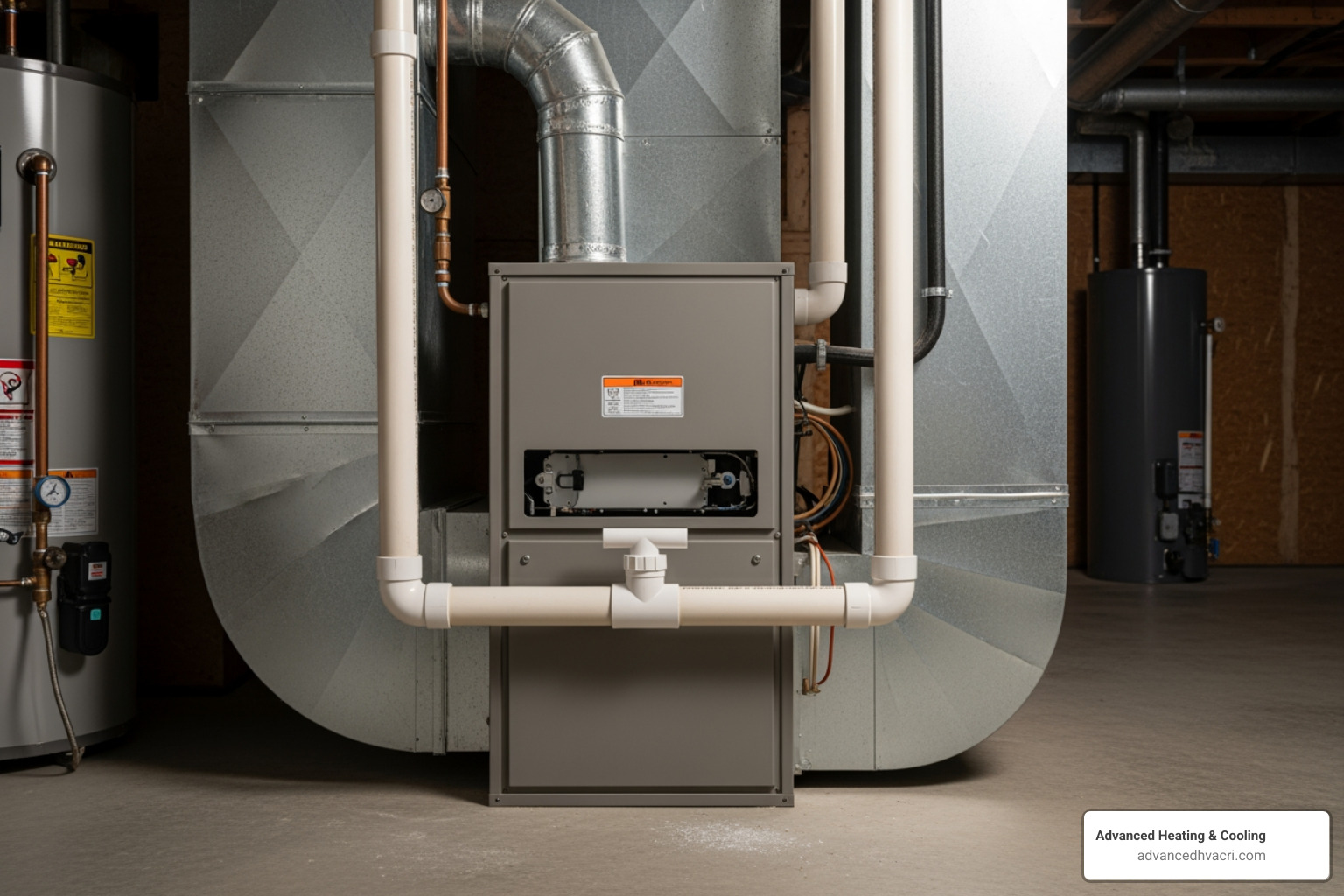
- Locate the drain line near your indoor air handler (white PVC pipe)
- Use a wet/dry vacuum on the outdoor end to suction out debris
- Pour 1 cup of distilled white vinegar into the access point
- Wait 30 minutes, then flush with water
- Repeat every 3 months during cooling season
If you’ve ever noticed water pooling around your AC unit or caught a musty smell when the system runs, you’re likely dealing with a clogged drain line. In Rhode Island’s humid climate, your air conditioner works overtime to pull moisture from the air. That moisture has to go somewhere—and when the drain line gets blocked with algae, mold, or debris, water backs up into your home. A clogged AC drain line is one of the most common causes of system malfunction, and it can lead to thousands of dollars in water damage if ignored.
The good news? This is one HVAC problem you can often handle yourself with basic tools and about 10 minutes of your time. The key is catching it early and performing regular preventative cleaning.
I’m Richard Marcello, President of Advanced Heating & Cooling, and in my 30+ years serving Rhode Island homeowners, I’ve seen countless cases where regular AC drain line cleaning could have prevented major water damage and costly repairs. Let me walk you through everything you need to know to keep your system draining properly.
Understanding Your AC’s Condensate Drain Line
Before we dive into the “how-to,” let’s understand the “why.” Your air conditioning system does more than just cool your home; it also plays a crucial role in managing indoor humidity. This process is called dehumidification, and it’s where the AC drain line comes into play.
What is an AC Drain Line and Why is it Important?
When warm, humid air from your home passes over your AC’s cold evaporator coil, the moisture in the air condenses into tiny water droplets. Think of it like a cold glass of water on a hot summer day – condensation forms on the outside. These droplets collect in a specialized component called the drain pan, which is typically located directly beneath the evaporator coil. From there, this water needs a clear escape route.
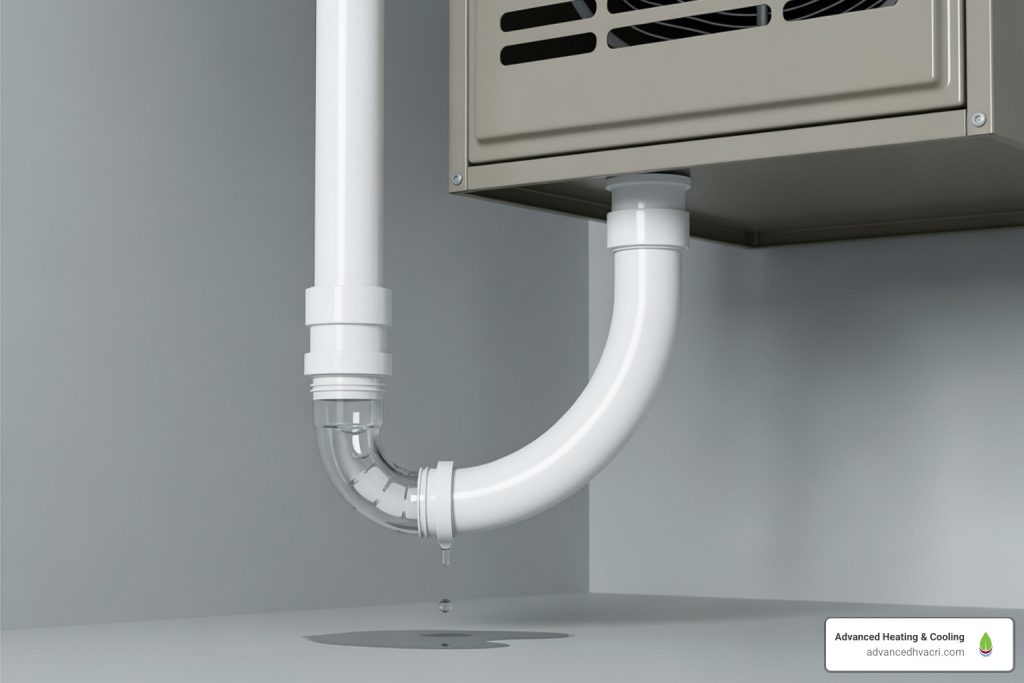
That’s the job of your AC drain line, also known as the condensate line. It’s usually a small, white PVC pipe that channels the collected water away from your indoor AC unit, typically leading it outdoors or to an approved drain. This continuous removal of moisture is essential for your AC unit to operate effectively and efficiently, keeping your home in Smithfield, RI, and surrounding areas like Greenville and North Smithfield, cool and comfortable.
Without a functioning drain line, that moisture has nowhere to go. It backs up, and that’s when problems begin. This simple PVC pipe is vital for preventing water backup, controlling home humidity, and ultimately, safeguarding your entire HVAC system and property. Maintaining it is a key part of The Importance of Regular AC Maintenance in Smithfield, RI.
The Damaging Effects of a Clogged Line
A clogged AC drain line is more than just an inconvenience; it can lead to significant and costly issues for your home and HVAC system. We’ve seen the damage that can occur when this seemingly small problem is left unaddressed.
Here’s what can happen:
- Structural Damage: When the drain line clogs, the condensate pan overflows. This excess water can seep into your ceilings, walls, and flooring, leading to unsightly drywall stains, ceiling leaks, and extensive flooring damage. Repairing this kind of water damage can run into thousands of dollars.
- Electrical Hazards: Water and electricity are a dangerous mix. If water from an overflowing drain pan comes into contact with your AC unit’s electrical components, it can create electrical hazards, short circuits, and even potential fire risks. Modern AC units often have safety switches that shut down the system when the drain line is clogged to prevent such dangers, but it’s still a risk.
- Poor Indoor Air Quality: Stagnant water in the drain pan or line creates a perfect breeding ground for mold, mildew, and bacteria. As your AC circulates air, these contaminants can be distributed throughout your home, leading to musty odors and negatively impacting your indoor air quality. This can be particularly concerning for those with allergies or respiratory sensitivities, undermining efforts for A Healthier Home Environment.
- System Failure and Reduced Efficiency: A backed-up drain line can cause your AC unit to work harder, reducing its efficiency and potentially shortening its lifespan. In severe cases, the standing water can damage critical AC components, leading to complete system failure. Some AC manufacturers may even void warranties if damage results from neglected maintenance, making regular AC drain line cleaning a critical aspect of protecting your investment.
- Higher Humidity Indoors: If the system can’t properly remove moisture, you’ll notice increased humidity levels inside your home, making it feel muggy and less comfortable, even if the air temperature is cool. A clogged drain line can hinder the unit’s ability to dehumidify the air.
As you can see, a little clog can cause a lot of trouble. That’s why understanding the warning signs and taking proactive steps is so important.
Warning Signs: How to Tell if Your AC Drain Line is Clogged
Recognizing the early warning signs of a clogged AC drain line can save you a lot of headaches and money. We encourage homeowners in Smithfield, RI, and the surrounding communities to be vigilant, especially during our humid summers when AC units are working constantly.
Here are the tell-tale indicators that your AC drain line might be clogged:
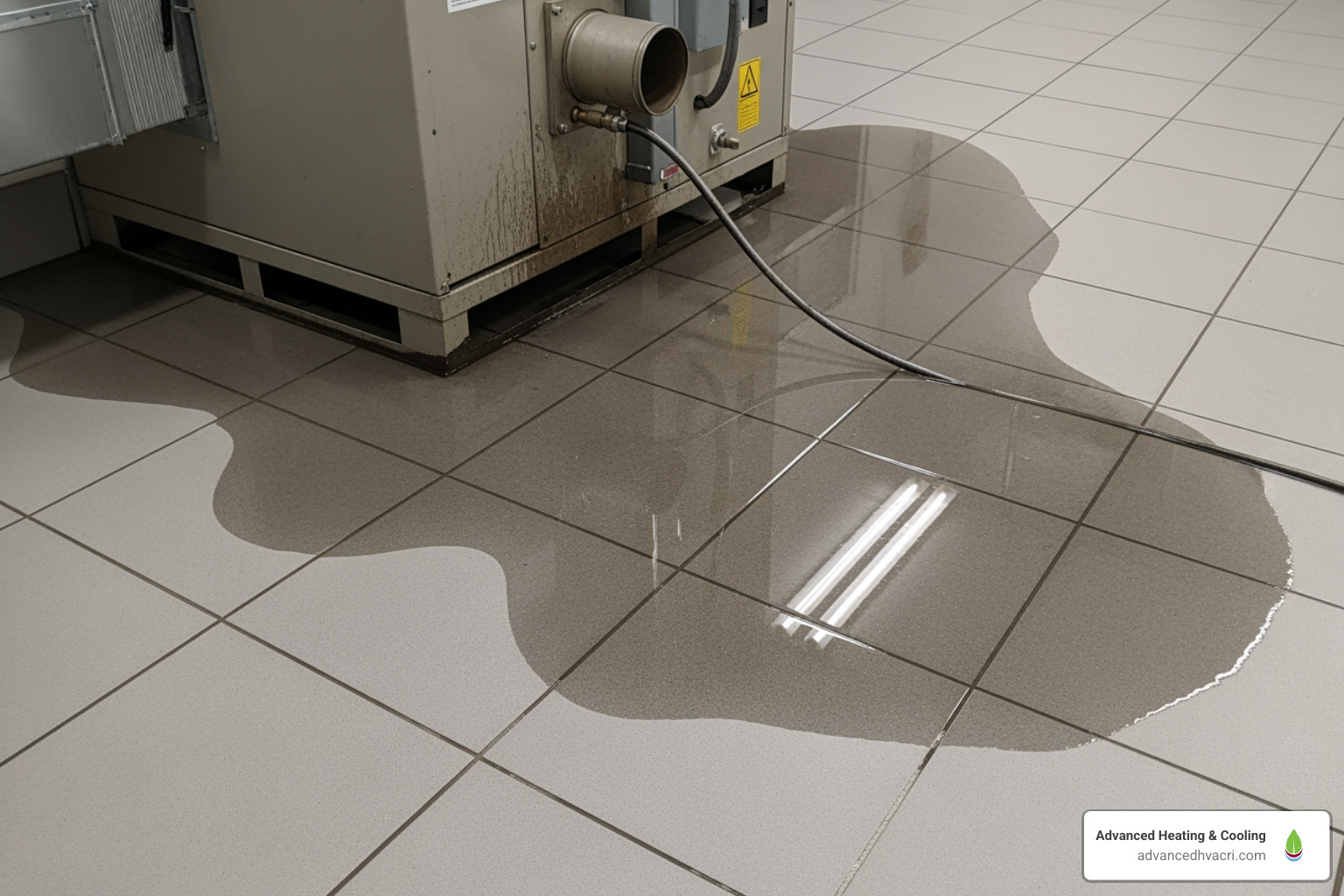
- Water Pooling Near the Indoor Unit: This is often the most obvious sign. If you notice puddles or mysterious damp spots around your indoor air handler, it’s a strong indication that the drain pan is overflowing because the condensate line is blocked.
- Standing Water in the Drain Pan: If you can safely access your AC’s indoor unit (often in an attic, closet, or basement), visually inspect the drain pan. If it contains standing water that isn’t draining, you’ve got a clog. Rust on the drain pan can also signify a drainage issue.
- Musty or Moldy Smells: Stagnant water in a clogged drain line or overflowing pan creates a perfect environment for mold and mildew to thrive. If you detect a musty, earthy odor coming from your AC vents or near the indoor unit, it’s a major red flag for biological growth in the system.
- AC Unit Won’t Turn On or Shuts Down Unexpectedly: Many modern AC units are equipped with safety float switches designed to prevent water damage. If the drain pan fills up due to a clog, this switch will trip, shutting down your entire system. If your AC suddenly stops working or won’t power on, a clogged drain line is a common culprit.
- Gurgling Sounds: As water attempts to pass through a partially clogged line, you might hear gurgling or bubbling noises coming from the drain line area while your AC is operating. This indicates restricted flow.
- Visible Mold or Algae: In some cases, you might actually see mold or algae growth around the drain line’s access point or even near the outdoor discharge end. This biological buildup is a primary cause of clogs.
- Higher Indoor Humidity: If your AC is running but your home still feels sticky and humid, it could be struggling to dehumidify effectively because the condensate isn’t draining properly.
If you observe any of these symptoms, it’s time to take action. Ignoring them can quickly escalate a minor issue into a major repair. For more insights on common AC issues, check out our guide on SOS for Your AC: How to Identify, Prevent, and Repair Common Cooling System Issues.
How to Perform a DIY AC Drain Line Cleaning
Feeling handy? Good! Cleaning your AC drain line yourself is a straightforward task that can save you a service call and prevent potential water damage. We’ll guide you through the process step-by-step.
Tools and Materials You’ll Need
Before you begin, gather these simple tools and materials. Most are likely already in your home:
- Wet/Dry Shop Vacuum: Essential for suctioning out stubborn clogs.
- Distilled White Vinegar: Your eco-friendly weapon against algae and mold.
- Funnel: Makes pouring vinegar into the line much easier.
- Rags or Towels: For soaking up any spilled water or for creating a tight seal.
- Gloves: To protect your hands from grime and cleaning solutions.
- Safety Goggles: Always a good idea when dealing with potential splashes or debris.
- Garden Hose: Useful for flushing the line after cleaning.
- Optional: Drain Clog Remover Snake: For tougher, more solid blockages. We recommend a flexible one like this Drain Clog Remover Snake.
- Optional: AC Drain Line Cleaner Tablets: For preventative maintenance after cleaning. Consider options like these AC Drain Line Cleaner Tablets.
Step-by-Step Guide to Clearing the Clog
Safety first! Always begin by ensuring the power to your AC unit is completely off.
Step 1: Turn Off Power
This is non-negotiable for your safety and to prevent damage to your AC system. Go to your thermostat and switch the system to “Off.” Then, locate your home’s main electrical breaker box and flip the breaker that controls your AC unit to the “Off” position. This ensures there’s no power running to the unit while you’re working on it.
Step 2: Locate the Drain Line
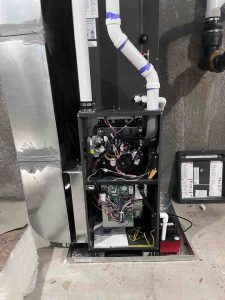
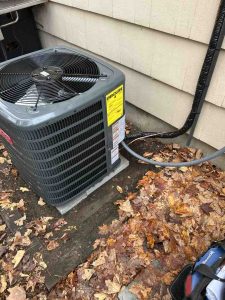
Your AC system has two main parts: the outdoor condenser unit and the indoor air handler. The drain line originates from the indoor air handler, which is typically located in your attic, basement, utility closet, or garage. Look for a small, white PVC pipe (usually 3/4 to 1 inch in diameter) extending from the side of the air handler. This pipe will often have a T-shaped vent or an access cap near where it exits the unit. You’ll also need to locate the outdoor end of this pipe, which usually discharges water near your outdoor condenser unit or into a dedicated drain.
Step 3: Clear the Blockage
Now for the fun part: getting rid of that clog!
- Suction from the Outdoor End: Take your wet/dry vacuum to the outdoor end of the condensate drain line. Create as tight a seal as possible between the vacuum hose and the drain pipe. You might need to use a rag or towel to help create a snug fit. Turn on the wet/dry vac and let it run for 1-3 minutes. This powerful suction should pull out the clog, which often consists of a slimy mixture of dirt, algae, and mold. You might hear a satisfying “pop” as the clog clears!
- Check the Indoor Pan: After suctioning, go back to your indoor air handler and check the drain pan. If there’s standing water, carefully soak it up with rags or remove it with the wet/dry vac. Thoroughly clean the drain pan to prevent mold growth.
- Manual Removal (if necessary): If the clog persists, you can try inserting a small, flexible drain snake (like the one mentioned in the tools list) into the indoor access point. Gently push and twist the snake to break up and pull out any stubborn blockages. For physical debris, a grabber tool might also be useful.
Step 4: Flush the Line
Once you believe the main clog is clear, it’s time to flush the line and neutralize any remaining biological growth.
- Pour Vinegar: Remove the cap from the T-shaped access point on your indoor drain line. Using a funnel, slowly pour 1 cup of distilled white vinegar into the opening. Vinegar is excellent for killing mold and algae without damaging your PVC pipes.
- Let it Sit: Allow the vinegar to sit in the drain line for about 30 minutes. This gives it time to break down any lingering buildup.
- Flush with Water: After 30 minutes, flush the line with 1-2 cups of warm water. You can pour this into the same access point. Observe if the water flows freely through the line and exits cleanly from the outdoor discharge point. If it drains slowly, you might need to repeat the vacuuming and flushing steps.
Step 5: Test and Restore Power
Finally, ensure everything is working correctly before resuming normal operation.
- Test Drainage: Pour a cup of water into the indoor drain pan (or directly into the access point if the pan is dry). Watch to ensure the water flows freely and quickly out of the outdoor drain line.
- Reassemble: Replace the cap on the T-shaped access point.
- Restore Power: Go back to your breaker box and flip the AC unit’s breaker back to the “On” position. Then, set your thermostat to your desired cooling mode. Your AC should now be running smoothly, and your drain line should be clear!
Prevention and Professional Help
Now that you’re a master of AC drain line cleaning, let’s talk about keeping it clear and knowing when to call in the pros.
Simple Tips to Prevent Future Clogs
An ounce of prevention is worth a pound of cure, especially when it comes to your AC drain line. Regular maintenance can save you from potential water damage and expensive repairs.
Here are our top tips:
- Regular Flushing with Vinegar: Make it a habit to pour 1 cup of distilled white vinegar down your AC drain line’s access point every 1 to 3 months, especially during the peak cooling season in Rhode Island. Let it sit for 30 minutes, then flush with water. This simple vinegar maintenance helps kill algae and mold before they can form a significant clog.
- Change Air Filters Regularly: Your AC filter is the first line of defense against dust and debris entering your system. A dirty filter can allow more particles to reach the evaporator coil and, subsequently, the drain pan and line, contributing to clogs. We recommend changing your air filter every three months, or even monthly if you have pets or allergies. For more detailed guidance, check out How Often Should You Replace Your HVAC Air Filter?.
- Use Condensate Pan Tablets: These tablets (also known as algaecide strips) slowly dissolve in your drain pan, releasing chemicals that prevent algae and mold growth. They’re a great supplemental preventative measure between manual cleanings.
- Keep the Indoor Unit Area Clean: Dust and debris around your indoor air handler can easily be drawn into the system. Keep the area clean and free of clutter to minimize the amount of airborne particles that could end up in your drain line.
- Schedule Annual Professional Maintenance: Even with diligent DIY efforts, a professional HVAC technician can perform a more thorough inspection and cleaning of your entire system, including the drain line. During our annual maintenance checks, we ensure all components are functioning optimally, identify potential issues before they become major problems, and perform deep cleaning. This is crucial for the longevity and efficiency of your AC. Learn more about the Importance of HVAC Maintenance.
DIY vs. Professional AC Drain Line Cleaning
While we empower our customers to handle simple tasks like AC drain line cleaning themselves, it’s important to understand the differences between DIY efforts and professional service, and when it’s best to call in the experts.
| Feature | DIY AC Drain Line Cleaning | Professional AC Drain Line Cleaning |
|---|---|---|
| Cost | Under $5 (for vinegar, rags) | $75 – $200 (average, can vary) |
| Time | 10-30 minutes | 30-60 minutes (as part of broader maintenance) |
| Tools | Wet/dry vac, vinegar, funnel, rags, gloves, goggles | Specialized vacuums, high-pressure equipment, drain snakes, cameras |
| Effectiveness | Good for minor clogs and preventative maintenance | Highly effective for stubborn, deep, or recurring clogs |
| Expertise | Basic home maintenance knowledge | Trained HVAC technicians with specialized knowledge |
| Scope | Focuses on the drain line only | Comprehensive system check, including coils, pan, and connections |
When to Call a Professional:
While DIY cleaning is effective for many situations, there are times when professional help is essential. Don’t hesitate to reach out to us at Advanced Heating & Cooling if you encounter any of the following:
- Stubborn or Recurring Clogs: If you’ve tried DIY methods and the clog simply won’t clear, or if your drain line keeps clogging shortly after cleaning, there might be a more complex issue at play that requires professional tools and expertise.
- Significant Water Damage: If an overflowing drain line has already caused extensive water damage to your ceilings, walls, or flooring, it’s best to call professionals who can assess the extent of the damage, resolve the clog, and advise on necessary repairs.
- Electrical Concerns: If water has come into contact with electrical components, or if you suspect any electrical issues related to the clog, do not attempt to fix it yourself. This poses a serious safety risk.
- Uncomfortable with DIY: If you’re not confident in performing the steps yourself, or if you have difficulty accessing your AC unit, it’s always safer and often more effective to trust the job to experienced technicians.
- AC System Malfunction: If your AC is making unusual sounds, not cooling properly, or repeatedly shutting off in conjunction with a suspected clog, a professional can diagnose the root cause, which might extend beyond just the drain line.
At Advanced Heating & Cooling, we have over 30 years of experience providing reliable HVAC Repair & Maintenance services to homeowners in Smithfield, RI, and the surrounding areas. We’re always here to help when you need us.
Frequently Asked Questions about AC Drain Line Cleaning
We get a lot of questions about AC maintenance, and AC drain line cleaning is a popular topic. Here are some of the most common questions our customers ask:
How often should I clean my AC drain line?
For preventative cleaning, we recommend flushing your AC drain line with vinegar every 1 to 3 months during the cooling season. In humid climates like ours in Rhode Island, where your AC works harder to remove moisture, a monthly flush is ideal. It’s also a good practice to perform a thorough cleaning at the beginning and end of the cooling season as part of your overall AC maintenance routine. This proactive approach helps prevent clogs from forming in the first place.
Can I use bleach or other harsh chemicals to clean the line?
We strongly advise against using bleach or other harsh chemical drain cleaners in your AC drain line. While bleach might seem like a quick fix, it can actually damage the PVC pipes over time, leading to leaks. Furthermore, mixing bleach with other cleaning agents (like vinegar or hydrogen peroxide) can create toxic fumes that are harmful to breathe. These chemicals can also be corrosive to your AC’s evaporator coil.
Stick to distilled white vinegar or approved HVAC-specific drain cleaners. These are effective at breaking down organic growth like algae and mold without posing a risk to your system or your health.
What are the differences between DIY and professional cleaning?
The main differences lie in the tools, expertise, and scope of work.
- DIY methods typically involve using a wet/dry vacuum to suction out clogs and flushing the line with a vinegar solution. These methods are excellent for minor clogs and routine preventative maintenance, and you can often do them for under $5.
- Professional cleaning by Advanced Heating & Cooling involves a more comprehensive approach. Our technicians use specialized tools, such as powerful wet/dry vacuums designed for HVAC systems, or even high-pressure equipment to thoroughly clear stubborn blockages. We can also use specialized cameras to inspect the inside of the drain line for persistent issues. More importantly, professional cleaning is often part of a broader maintenance check, where we inspect your entire AC system for other potential problems, ensuring everything is in top working order. This comprehensive service can catch underlying issues that DIY cleaning might miss, offering a more effective and long-lasting solution. You can learn more about our thorough approach in Behind the Scenes: Unveiling the Secrets of Professional Air Conditioning Servicing for Peak Performance.
Keep Your System Running Smoothly
At Advanced Heating & Cooling, we believe that an informed homeowner is a happy homeowner. AC drain line cleaning is a manageable DIY task that can save you from significant headaches and expenses. By understanding how your drain line works, recognizing the warning signs of a clog, and performing regular maintenance, you’re actively protecting your investment and ensuring consistent home comfort for your family in Smithfield, RI, and beyond.
Routine maintenance, whether it’s a simple DIY flush or a professional tune-up, extends the lifespan of your AC unit, improves its efficiency, and helps maintain healthy indoor air quality. Don’t wait for a problem to arise; be proactive!
As a locally owned and operated HVAC company with over 30 years of experience, we’re dedicated to providing honest, quality workmanship and ensuring your home remains a haven of comfort. If you ever find yourself facing a stubborn clog or prefer to leave the dirty work to us, don’t hesitate to reach out for a free estimate. We’re here to help.
Learn more about our comprehensive HVAC maintenance plans. We look forward to keeping your AC system running smoothly for years to come!