A heat pump installation starts with a home check, then sizing, then setup of the outdoor and indoor units, and ends with testing. The whole process is planned so the system fits your home and heats well in a Rhode Island winter. This guide walks you through each step and the questions to ask your installer. It will help you feel ready before the crew arrives.
A heat pump heats your home in winter and cools it in summer. It moves heat instead of making it by burning fuel. At Advanced Heating & Cooling, we install heat pumps and help homeowners decide if one is the right fit.
Step One: A Home Check and Load Calculation
Good installations begin with a visit. The technician looks at your home, your current heating system, and your ducts. They ask how you use the home and which rooms are hard to heat.
Then they do a heat load calculation. This measures how much heat your home needs on a cold day. It looks at the size of the home, the insulation, the windows, and the layout. This step is what keeps a system from being too big or too small.
Be wary of anyone who picks a size by looking at your old unit or the square footage alone. A system that is the wrong size can leave rooms cold and wear out sooner. A real load calculation protects you.

Step Two: Choosing the Type of System
There are a few main types of heat pump. Your home and your goals help decide which one fits. Here are the most common choices:
- Ducted heat pump that uses your existing ducts
- Ductless mini split with indoor units in each zone
- Dual fuel system that pairs a heat pump with a furnace
A ducted system can work well if you have good ducts. A ductless mini split is great for homes without ducts, additions, or rooms that are always cold. A dual fuel setup can add a backup for the coldest days. We explain it in our post on adding a heat pump to a gas furnace.
Ask about cold climate models. These are built to keep heating at lower outdoor temperatures. Our guide on heat pumps in New England winters goes deeper.
Step Three: Installation Day
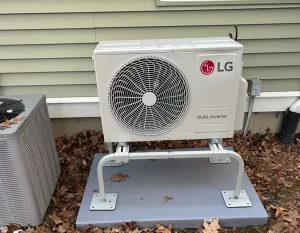
On installation day, the crew sets up the outdoor unit first. It sits on a pad or a wall bracket, with room around it for airflow. It should be placed where snow and ice will not bury it.
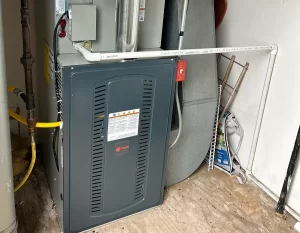
Next, they install the indoor part. For a ducted system, this is the air handler connected to your ducts. For a mini split, it is the indoor head mounted on a wall. Refrigerant lines and electric lines connect the two sides.
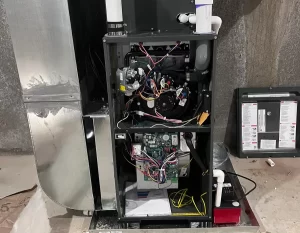
The crew then removes air and moisture from the lines, which is called a vacuum. They check for leaks and start the system. Clean work matters here, because small mistakes can cause problems for years.

Step Four: Testing and Training
After setup, the technician tests the system in heating and cooling modes. They check the airflow, the refrigerant levels, and the electric connections. They also set the thermostat and any backup heat.
Before they leave, they should show you how to use it. You should learn how to set the temperature, how to read any error codes, and how to change the filter. Ask them to explain what normal sounds, like the defrost cycle, look and sound like.
Questions to Ask Your Installer
Good questions lead to good results. Ask them before you agree to anything, and expect clear answers.
- Did you do a heat load calculation for my home?
- Is this a cold climate model?
- Where will the outdoor unit go, and how is it protected from snow?
- Do I need a backup heat source?
- What does the warranty cover, for parts and labor?
- Does the model qualify for any rebates?
The last one matters. Programs change often, so confirm the rules before you buy. Read our guides on RI Energy heat pump rebates and which heating systems qualify for rebates.
How to Get Your Home Ready
A little prep helps the crew work well. Clear space around the spots where the equipment will go. Move furniture and stored items out of the way, and let the crew know about pets.
Our post on how to get your home ready for new heating equipment has a full checklist. If you want to know more about how a heat pump handles the winter, read about why a heat pump can blow cool air.
Caring for Your Heat Pump After Installation
Once the heat pump is in, care is simple. Change or clean the filter on schedule. Keep snow, leaves, and debris away from the outdoor unit.
Book a yearly check. A technician can clean the coils, test the controls, and check the refrigerant. Small problems are easier to fix when they are found early. See our HVAC repair and maintenance page for details.
Common Myths About Heat Pumps
Heat pumps are new to many Rhode Island homeowners, so a few myths float around. Clearing them up can help you make a better choice. Here are the ones we hear most.
The first myth is that heat pumps do not work in the cold. Cold climate models are made to heat at low outdoor temperatures, and many homes use them as their main heat. They do put out less heat as it gets colder, which is why sizing and backup heat matter.
The second myth is that a heat pump blows cold air in winter. The air from a heat pump is warm, but it is not as hot as the air from a furnace. It can feel cooler on your hand even when it is heating the home well.
The third myth is that you cannot use a heat pump with a furnace. In fact, many homes pair the two in a dual fuel system. The heat pump handles mild weather, and the furnace takes over in the deep cold. Ask your installer which setup fits your home best.
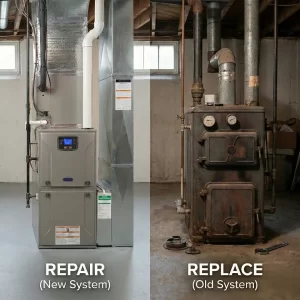
If you are not sure about a sound or a behavior, ask. A good installer will explain what is normal and what is not. For more on common issues, see our post on repairing or replacing a heat pump.
Conclusion
A heat pump installation follows clear steps: a home check, a load calculation, choosing the system, installation, and testing. Ask good questions, make sure the size is right, and plan for the Rhode Island winter. With the right setup, a heat pump can keep your home comfortable all year.
Thinking about a heat pump? See our heating installation services or contact Advanced Heating & Cooling to set up a home visit.