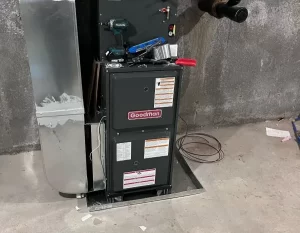
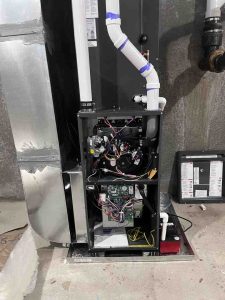
A furnace tune-up is a full check of your heating system by a trained technician, done before the cold weather starts. The technician cleans key parts, tests the safety controls, and tells you what shape the furnace is in. It helps your furnace start on the first cold night and keep running all winter. This guide explains what happens during a tune-up and how to get the most from the visit.
At Advanced Heating & Cooling, we have worked on furnaces across Rhode Island for many years. We see the same thing every fall. Homes that get a tune-up tend to have fewer no-heat calls in January. Here is what you should know before you book.
What Is a Furnace Tune-Up?
A tune-up is a set of checks and small cleanings that keep your furnace safe and working well. It is not a repair. The goal is to find small problems before they turn into big ones.
Think of it like a check-up at the doctor. The technician looks, listens, and tests each part. Then they explain what they found in plain words.
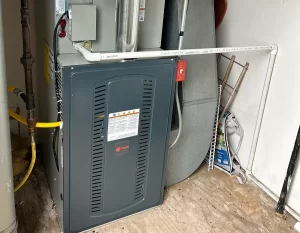
A tune-up is different from a filter change. Changing a filter is something you can do on your own. A tune-up covers parts you cannot safely reach, like the burner, the heat exchanger, and the safety switches.

What the Technician Checks
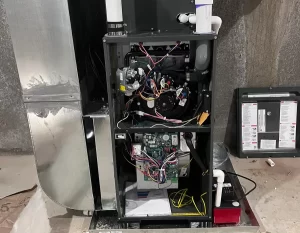
Every furnace is a little different, but a good tune-up covers the same main areas. The technician should follow a checklist and show you the results when they are done. Here is what we check on a typical visit:
- Thermostat settings and how well it talks to the furnace
- Air filter condition, with a clean or new filter put in
- Burner, igniter, and flame sensor
- Heat exchanger, looking for cracks or rust
- Blower motor, belt, and fan wheel
- Vent pipe and flue, checking for leaks or blockages
- Safety switches and limit controls
- Electrical connections and wiring
- Carbon monoxide levels near the furnace
Each of these parts plays a role in safe heat. A dirty flame sensor can make a furnace shut off again and again. A cracked heat exchanger can let carbon monoxide into your home, which is why we look at it so closely.
Why Fall Is the Best Time to Book
Your furnace sits unused for months, and dust settles on the parts inside. The first cold night is the worst time to find out something is wrong. A tune-up in early fall gives you time to fix any problem before you need heat every day.
Rhode Island weather can turn cold fast. A calm October can be followed by a hard freeze in a few days. Heating companies also get very busy once the temperature drops, so booking early gives you more choices for appointment times.
If you missed the fall window, do not wait. A tune-up in the middle of winter is still worth it, especially if your furnace is making odd noises or heating unevenly. You can read our winter HVAC maintenance checklist for other steps to take.

How Gas, Oil, and Electric Furnaces Differ
The type of furnace you have changes what the technician does. All three need the basics, like filter, blower, and controls checked. Each also has its own special steps.
Gas furnaces need the burner and flame checked closely. The technician also checks the gas connection and the vent pipe. Oil furnaces need the nozzle, the filter, and the combustion chamber cleaned, because oil makes soot. Electric furnaces do not burn fuel, so there is no flame or vent to check. Instead, the technician tests heating elements, relays, and wiring.
Because of these differences, make sure the company you call works on your fuel type. Ask before you book. A technician who works on oil furnaces every day will know the small signs that point to trouble.
How to Get Ready for the Visit
A little prep makes the visit go faster and smoother. Clear a path to the furnace, and move boxes or stored items away from it. Make sure the technician has room to open the panels and work.
Write down anything odd you noticed last winter. Maybe a room never got warm, or the furnace made a loud bang at startup. Tell the technician about it, since these clues can point to the cause.
- Clear at least a few feet around the furnace
- Know where your thermostat and breaker panel are
- Have your furnace age and model handy if you know it
- Make a short list of any problems you noticed
- Secure pets in another room
We also suggest testing your carbon monoxide alarms before the visit. Press the test button and replace any batteries that are weak. Read more in our post on carbon monoxide and your furnace.
What You Should Get When the Visit Is Done
You should leave with a clear report. It should say what was checked, what was cleaned, and what was found. If something needs work, the technician should explain what it is, why it matters, and how urgent it is.
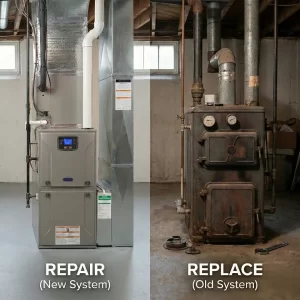
A good technician gives you choices and does not pressure you. Some things must be fixed right away for safety. Others can wait until you are ready. If the furnace is near the end of its life, we will say so honestly, and our guide on how long a furnace lasts can help you plan.
You should also know the next steps. Ask when to change the filter, and ask when the next tune-up should be. Write it on your calendar so you do not forget.
Signs You Should Book Sooner
Some warning signs mean you should not wait for fall. Call if you notice any of these:
- The furnace turns on and off too often, which is called short cycling
- Strange sounds like banging, squealing, or rattling
- A burning smell that does not fade after a few hours
- Some rooms stay colder than others
- The pilot light or flame looks yellow or flickers
- You or your family feel dizzy or get headaches at home

If you ever smell gas, leave the house right away and call from outside. For other problems, our HVAC repair and maintenance team can help. You can also learn about furnace tune-ups in Smithfield.
Conclusion
A furnace tune-up is a simple way to keep your home warm and safe. The technician checks the burner, the heat exchanger, the blower, the vent, and the safety controls. You get a clear report and time to fix small problems before winter hits.
Book in early fall if you can, and clear the area around your furnace before the visit. Tell the technician about any odd sounds, smells, or cold rooms. With a little care, your furnace is far more likely to work when you need it most.
Ready to schedule your furnace tune-up? Contact Advanced Heating & Cooling and we will find a time that works for you.