When Your Business AC Breaks Down: What You Need to Know First
Commercial cool air conditioner repair is something no business owner wants to deal with – but knowing the basics can save you time, money, and a lot of frustration.
Here are the most common issues and quick fixes to check before calling a pro:
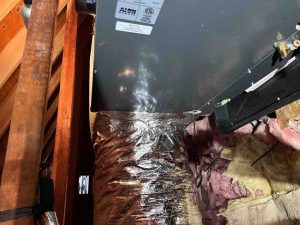
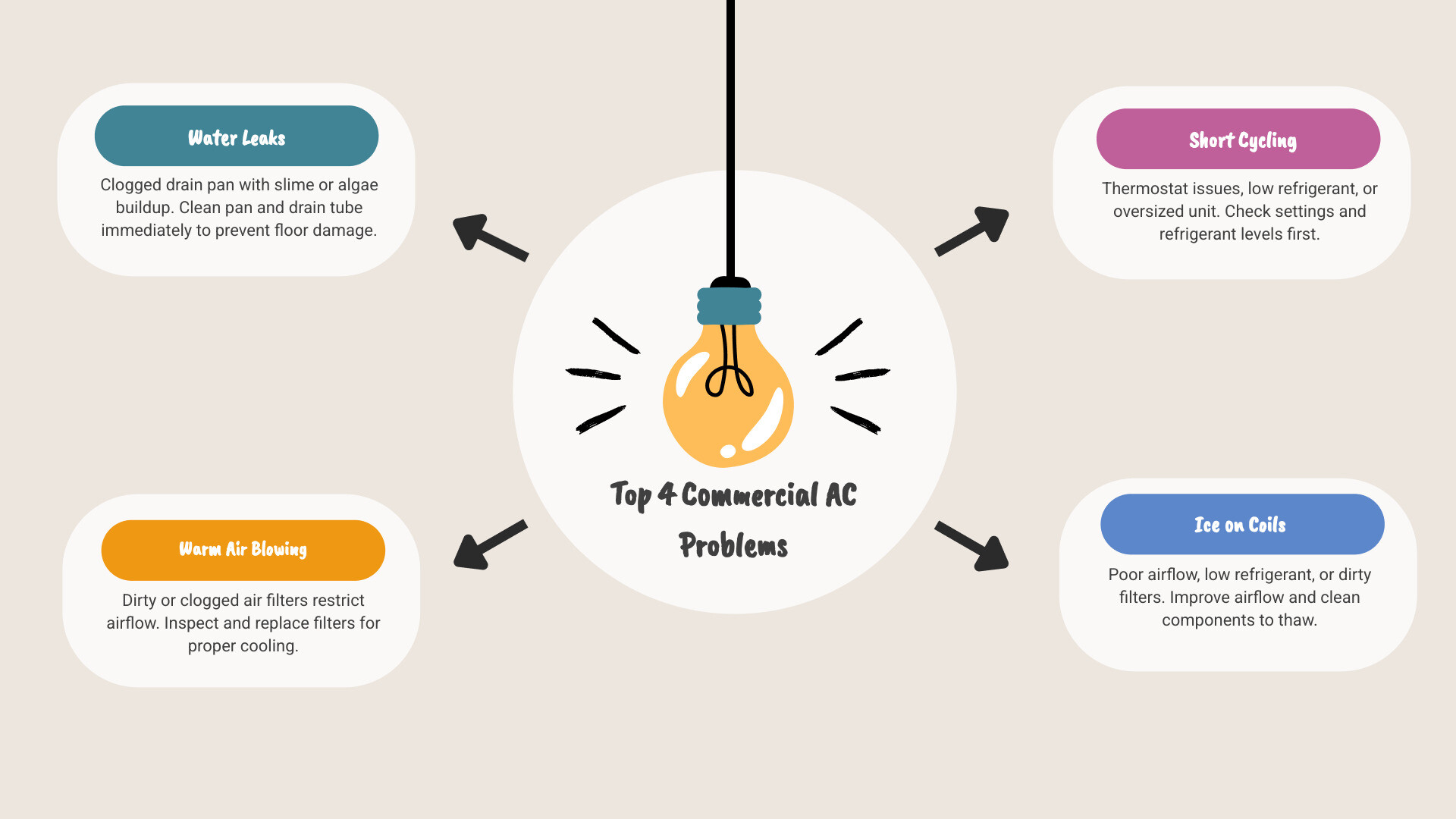
- Water leaking onto the floor – Usually a clogged drain pan full of slime or algae. Clean the pan and drain tube.
- Warm air blowing – Check for dirty or clogged air filters first. Replace if needed.
- AC turning on and off repeatedly – Could be a thermostat issue, refrigerant problem, or an oversized unit.
- Rising energy bills – Often caused by dirty coils, refrigerant leaks, or poor insulation.
- Strange noises or smells – Signs of mechanical failure or mold buildup. Call a technician.
- Ice on the coils – Caused by poor airflow, low refrigerant, or a dirty filter.
Even a small AC problem can snowball fast in a commercial setting. Uncomfortable employees lose focus. Customers leave. Equipment suffers. And the longer you wait, the more expensive the fix gets.
I’m Richard Marcello, President of Advanced Heating & Cooling, with over 30 years of hands-on experience in commercial cool air conditioner repair across Rhode Island and surrounding areas. In this guide, I’ll walk you through how to spot, troubleshoot, and address the most common commercial AC problems – so you can make smart, confident decisions fast.
Quick commercial cool air conditioner repair definitions:
- Commercial HVAC replacement cost
- commercial air conditioner maintenance
- commercial hvac replacement
- Air conditioning system basics
Common Issues Requiring Commercial Cool Air Conditioner Repair
When we step onto a job site in Smithfield or North Smithfield, we often see the same handful of culprits causing trouble. Commercial systems are workhorses, but they aren’t invincible. Understanding what goes wrong is the first step toward a fix.
One of the most frequent calls we get involves water damage. Did you know that 95% of standalone air conditioner water discharge issues — where water ends up on your floor instead of in the bucket — are caused by blocked drain pans? These pans become breeding grounds for organic slime, dirt, and algae. Over time, this “gunk” plugs up the drain tube, forcing water to overflow.
Beyond water issues, we frequently encounter:
- Refrigerant Leaks: If your system is low on “juice,” it’s not just because it’s old. It means there is a leak that needs to be sealed.
- Compressor Failure: This is the heart of your AC. If it stops, the whole system dies.
- Electrical Faults: Blown fuses, worn contactors, or frayed wiring can shut a system down instantly.
- Thermostat Malfunctions: Sometimes the AC is fine, but the “brain” telling it what to do is confused.
Troubleshooting Water Leaks and Drainage in Commercial Cool Air Conditioner Repair
In high-humidity areas like Rhode Island during the peak of summer, portable and standalone commercial units often produce more water than they can naturally evaporate. While many “commercial cool” style portable units are designed to self-evaporate condensate, they can easily become overwhelmed.
If you notice a leak:
- Check the Humidity: In extreme humidity, you may simply need to manually drain the internal tray more often.
- Inspect the Pan: Access the cooling coil pan. If you see a thick layer of organic slime or algae, it needs a thorough cleaning.
- Clear the Tube: Use a vacuum or a thin wire to ensure the drain tube is clear of obstructions. Regular cleaning of these tubes is a “best practice” that prevents 2 a.m. emergency calls.
Identifying Airflow and Cooling Failures for Commercial Cool Air Conditioner Repair
If your unit is running but the building feels like a sauna, you likely have an airflow issue. This often manifests as frozen evaporator coils. When air can’t move over the coils, the temperature drops too low, and the moisture on the coils turns to ice.
Common causes include:
- Dirty Filters: This is the #1 cause of airflow restriction.
- Blower Motor Issues: If the fan isn’t spinning at the right speed, the air stays still.
- Clogged Ducts: Dust and debris buildup can choke your system.
For businesses in our neck of the woods, ensuring Efficient and Reliable Commercial HVAC Services in Smithfield, RI is about more than just comfort; it’s about keeping the air moving so the machinery doesn’t freeze up.
Why Timely Commercial AC Repair is Critical for Business
Waiting to call for commercial cool air conditioner repair is a gamble that rarely pays off. For a business in Johnston or Greenville, a functional AC is a tool for profitability.
- Employee Productivity: Studies show that as temperatures rise, cognitive function and productivity drop. A sweltering office leads to mistakes and irritability.
- Customer Satisfaction: Whether you run a retail shop in Esmond or a restaurant in Smithfield, customers won’t stay if they are sweating. Comfort directly impacts your bottom line.
- Equipment Protection: Servers, computers, and even some manufacturing equipment require specific temperature ranges to operate safely. Overheating can lead to permanent hardware damage.
- Health Regulations: Proper ventilation and temperature control are often required by workplace safety regulations.
Investing in repairs now can actually be a way of Heating Up Profits: Expert Commercial Furnace Replacement in Smithfield (or in this case, cooling them down!).
| Issue Level | Estimated Repair Cost | Risk of Delay |
|---|---|---|
| Clogged Filter | $ (Low) | Frozen coils, high energy bills |
| Clogged Drain | $$ (Medium) | Water damage to floors/ceilings |
| Refrigerant Leak | $$$ (High) | Compressor burnout |
| Total System Failure | $$$$ (Very High) | Business closure, full replacement |
A Step-by-Step Guide to the Commercial Cool Air Conditioner Repair Process
When we arrive at your facility, we follow a rigorous process to ensure the job is done right the first time. We don’t believe in “band-aid” fixes.
- Initial Contact & Triage: We gather details over the phone to understand if it’s an emergency or a routine failure.
- On-Site Diagnosis: Our technicians use state-of-the-art diagnostic tools to measure refrigerant levels, electrical draw, and airflow.
- Repair Plan & Transparent Pricing: We explain exactly what is wrong and provide a clear estimate. No hidden fees, just honest work.
- Component Replacement: Whether it’s a new capacitor or a complex compressor swap, we use high-quality parts that meet or exceed manufacturer specs.
- System Testing: We don’t just turn it on and leave. We monitor the system through a full cycle to ensure it hits the target temperature.
- Walk-Through: We show you what was fixed and how to prevent it from happening again.
Sometimes, a repair isn’t the most cost-effective path. We help you navigate that decision by Unpacking the Price Tag: Commercial AC Unit Replacement so you can compare the long-term value of a new unit versus a costly repair on an aging system.
Types of Systems Serviced
Commercial cooling isn’t one-size-fits-all. We service a wide variety of configurations tailored to different business needs:
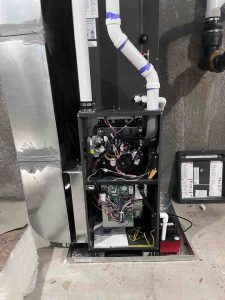
- Rooftop Units (RTUs): Common in retail and industrial spaces, these “packaged” units contain all components in one weatherized cabinet.
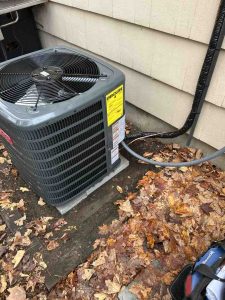
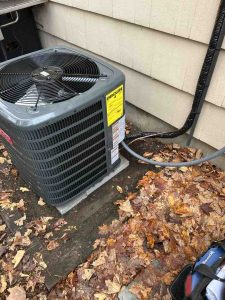
- Split Systems: Similar to residential units but on a much larger scale, with separate indoor and outdoor sections.
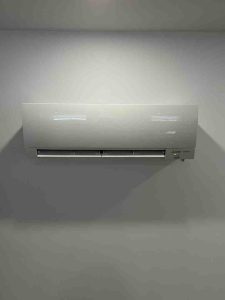
- Ductless Mini-Splits: Perfect for server rooms or offices that need independent temperature control.
- Chillers: Used in very large buildings to circulate chilled water for cooling.
For businesses with complex layouts, we often recommend Commercial Zone Control for Office Buildings to ensure every room stays at the perfect temperature without wasting energy.
Maximizing Efficiency and Preventing Future Breakdowns
Efficiency isn’t just a buzzword; it’s a way to keep your overhead low. Statistics show that air conditioners can lose up to 5% efficiency per year without proper maintenance. Even a high-efficiency unit purchased recently will start costing you more if it’s neglected.
To keep your system running at its peak:
- Prioritize Annual Maintenance: A professional tune-up once or twice a year can catch small leaks or worn parts before they cause a shutdown.
- Regular Filter Replacements: In a commercial environment, filters should be checked monthly and replaced every 30 to 90 days depending on the air quality.
- Check SEER Ratings: If your system is over 10 years old, it likely has a low SEER (Seasonal Energy Efficiency Ratio). Modern units offer much higher efficiency, often paying for themselves in energy savings over a few years.
- IoT Integration: Modern smart thermostats and building automation systems provide real-time data, allowing us to spot inefficiencies before you even notice a temperature change.
If your current system is a “energy hog,” it might be time for a Seamless Commercial AC & Heating Replacement: A Business Owner’s Guide to move toward a more sustainable, cost-effective solution.
Choosing the Right Professional for Your Commercial HVAC Needs
When looking for commercial cool air conditioner repair, don’t just hire the first name you see. Your business deserves an expert.
- EPA Certification): This is non-negotiable. Technicians must be certified to handle refrigerants safely and legally.
- Local Experience: We’ve been serving Smithfield, Slaterville, and Mapleville for over 30 years. We understand the local climate and the specific challenges Rhode Island businesses face.
- 24/7 Emergency Service: AC doesn’t just break during business hours. You need a partner who answers the phone at midnight on a Saturday.
- Transparent Pricing: You should never be surprised by a bill. Look for companies that offer free estimates and clear explanations.
At Advanced Heating & Cooling, we pride ourselves on being that partner. We handle everything from minor repairs to full Commercial AC & Heating installations with the same level of care.
Frequently Asked Questions about Commercial AC Repair
How often should commercial AC units be serviced?
For most businesses in Rhode Island, we recommend a minimum of two checks per year — once in the spring before the cooling season and once in the fall. High-usage environments, like restaurants or data centers, may require quarterly maintenance to prevent grease or dust buildup from causing a failure.
When should I replace my commercial AC instead of repairing it?
A good “rule of thumb” is the 50% rule: if the cost of the repair is more than 50% of the cost of a new system, it’s time to replace. Additionally, most commercial units have a lifespan of about 10 to 15 years. If your unit is in that age range and requires frequent repairs, replacement is usually the smarter financial move.
Why is my commercial electricity bill suddenly spiking?
A sudden spike usually indicates the system is working harder than it should. This could be due to dirty condenser coils (which prevent heat from escaping), a refrigerant leak, or failing sensors that cause the unit to “short cycle” (turn on and off too frequently). Poor insulation or leaks in your ductwork can also force the AC to run constantly to keep up.
Conclusion
Don’t let a broken air conditioner put your business on ice. Whether you’re dealing with a leaky portable unit in Greenville or a massive rooftop system in Smithfield, timely commercial cool air conditioner repair is the key to maintaining a productive, profitable environment.
At Advanced Heating & Cooling, we’ve spent three decades perfecting the art of HVAC service. We are locally owned, veteran-friendly, and dedicated to the businesses that make our community thrive. From Forestdale to Stillwater, we’re here to ensure you stay cool when the heat is on.
Ready to get your system back in peak condition? Contact Advanced Heating & Cooling for Expert Commercial AC Repair today for a free estimate and experience the difference that 30 years of honest, quality workmanship can make.