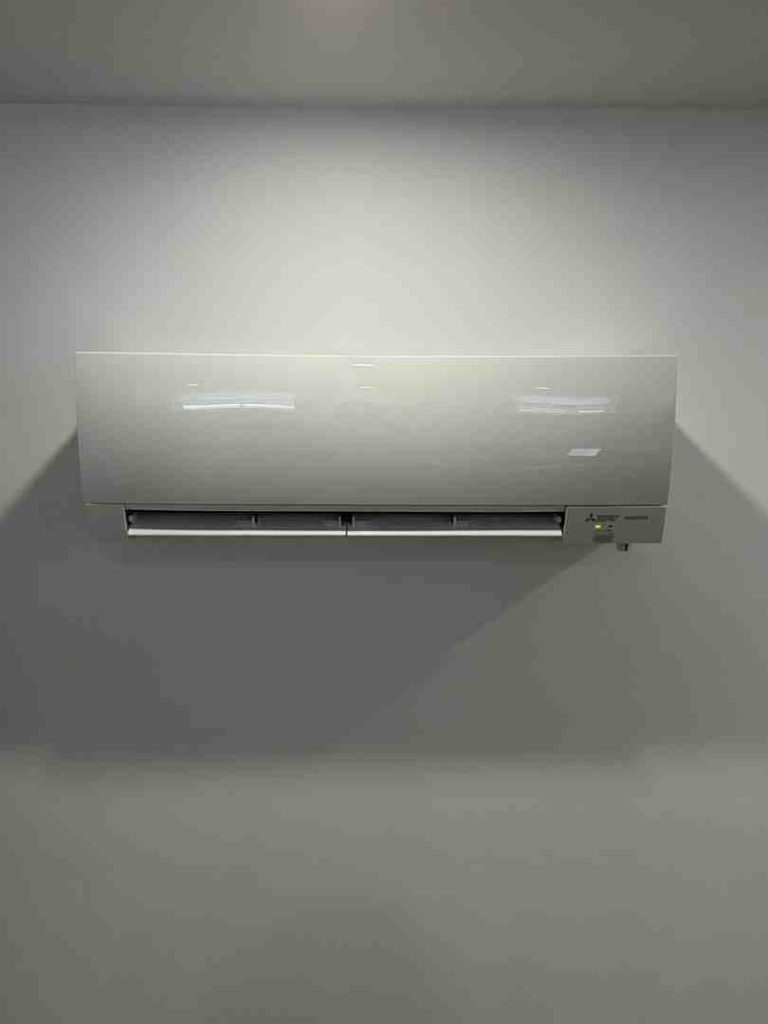
What Is an AC Unit Mounted on Wall — and Is It Right for You?
An ac unit mounted on wall is one of the most practical and efficient ways to cool (and heat) a room without tearing up your home for ductwork. Here’s a quick summary:
- Two main types: Through-the-wall AC units (slide into a wall sleeve) and ductless mini-split systems (indoor wall unit + outdoor compressor)
- Best for: Rooms without existing ductwork, home additions, older homes, or anyone wanting zoned temperature control
- Typical cooling range: 6,000 BTU (small rooms) up to 36,000 BTU (large open spaces)
- Energy efficiency: Many models carry Energy Star certification, with SEER2 ratings up to 24
- Can they heat too? Yes — most modern wall-mounted mini-splits are heat pumps that work even in cold weather
- Installation: Through-the-wall units can be DIY-friendly; mini-splits require a licensed HVAC technician
Wall-mounted AC systems have become increasingly popular in Rhode Island homes, especially in older properties where adding central air ducts is expensive or impractical. They’re quiet, space-saving, and — when sized correctly — surprisingly affordable to run.
But with so many options on the market and installation details that really matter, it’s easy to feel overwhelmed or end up with the wrong unit for your space.
I’m Richard Marcello, President of Advanced Heating & Cooling in Smithfield, RI, and over my 30+ years in the HVAC industry I’ve helped hundreds of homeowners across Rhode Island find the right ac unit mounted on wall for their specific needs. In the sections below, I’ll walk you through everything — types, sizing, installation, and maintenance — so you can make a confident, informed decision.
Understanding Wall-Mounted Air Conditioning Systems
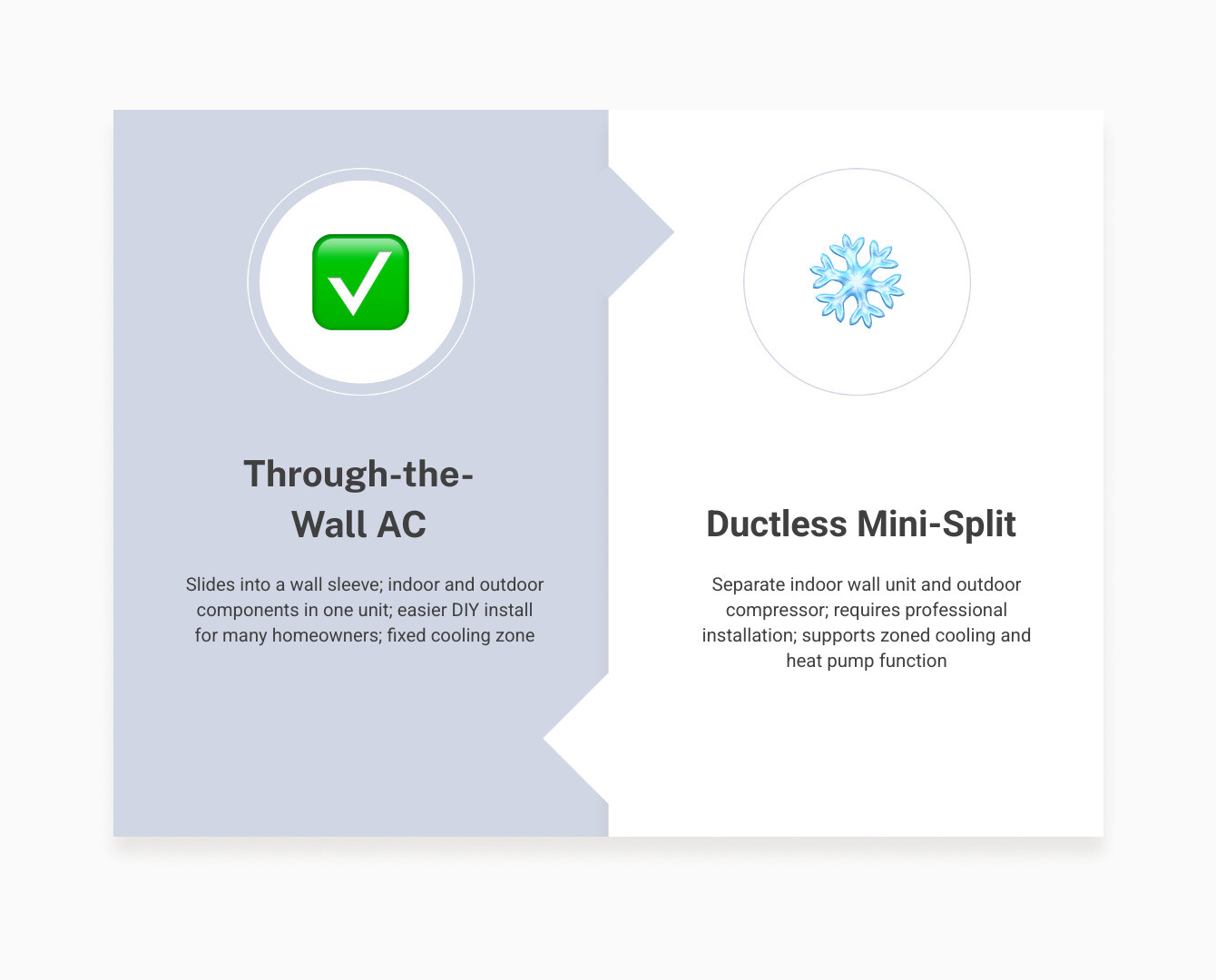
When people talk about a wall-mounted air conditioner, they are usually referring to one of two completely different systems. While both are physically mounted on a wall, they operate, install, and perform quite differently.
Understanding these differences is the crucial first step to choosing the right setup for your home. If you want a deep dive into how these fit into your overall home comfort strategy, check out our Carrier Wall Mounted AC Guide.
Through-the-Wall AC Units vs. Ductless Mini-Splits
Let’s break down the two main categories of wall-mounted cooling:
- Through-the-Wall AC Units: These are self-contained, single-box systems. They look very similar to window air conditioners, but instead of sitting in an open window, they slide into a metal frame called a wall sleeve that is permanently installed through an exterior wall. All of the refrigeration components—the compressor, condenser, evaporator, and fans—live inside this single box.
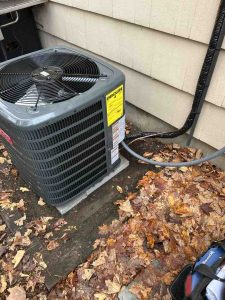
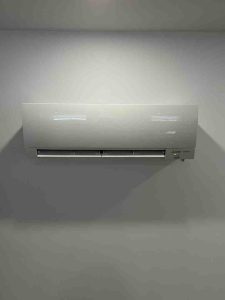
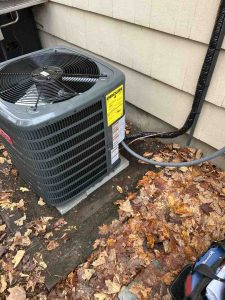
- Ductless Mini-Split Systems: A mini-split is a “split” system, meaning it is divided into two separate parts. You have a sleek, quiet indoor unit (the air handler) mounted high on an interior wall, which is connected to a larger outdoor unit (the compressor/condenser) via a small bundle of refrigerant lines, electrical cables, and a drain tube.
While through-the-wall units are excellent for single-room budget retrofits, ductless mini-splits represent a major technological leap. They offer whisper-quiet performance, incredible energy efficiency, and the ability to heat your home even during chilly Rhode Island winters.
How Wall-Mounted Systems Work
Whether you choose a through-the-wall model or a high-tech mini-split, the basic scientific principles of cooling remain the same. The process relies on a continuous refrigerant cycle to relocate heat from inside your home to the great outdoors:
- Heat Absorption: The indoor portion of the system contains evaporator coils filled with cold, liquid refrigerant. A fan draws warm, humid air from your room and passes it directly over these coils.
- Phase Change: As the warm indoor air hits the cold coils, the refrigerant inside absorbs the heat and boils, transforming from a liquid into a warm gas. This process also pulls moisture out of the air, dehumidifying your room.
- Heat Rejection: This warm gas is pumped to the outdoor compressor (or the rear half of a through-the-wall unit). The compressor squeezes the refrigerant, raising its temperature even higher. Outdoor fans blow air across the condenser coils, releasing the trapped heat into the outside air.
- The Return Journey: Now cooled back down into a liquid, the refrigerant passes through an expansion valve, drops in temperature, and heads back to the indoor evaporator coils to start the cycle all over again.
By controlling the fan speed and utilizing adjustable louvers, these systems can direct the conditioned air precisely where you need it most, ensuring even temperatures throughout the room.
Key Benefits of an AC Unit Mounted on Wall
If you are trying to decide between a traditional central HVAC system, portable floor units, or window shakers, wall-mounted options offer a highly compelling middle ground.

For a broader look at how these compare to other HVAC options in your home, read our Ultimate Guide to Adding AC.
Let’s look at the primary advantages of choosing an ac unit mounted on wall.
Energy Efficiency and Zoned Cooling
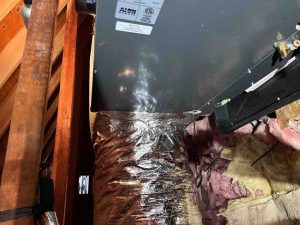
One of the biggest financial drains of a central air system is duct loss. According to the U.S. Department of Energy, typical ductwork can lose up to 30% of its cooling energy through leaks, seams, and conduction—especially if those ducts run through a blistering hot attic.
Because wall-mounted systems deliver air directly into the room, they eliminate duct loss entirely. Additionally, they allow for true zoned cooling. Why pay to cool your entire house in Johnston or Greenville when you are only using the master bedroom or home office? By turning off units in unoccupied rooms, you can slash your monthly utility bills.
Furthermore, modern mini-splits utilize advanced inverter technology. Unlike traditional compressors that constantly turn completely on and off (which wastes a massive amount of electricity), inverter-driven compressors can ramp up or down dynamically, using only the exact amount of power needed to maintain your target temperature.
Space-Saving Design and Aesthetics
Window air conditioners are notorious for blocking your view, letting in street noise, and inviting insects or security risks into your home. Portable floor units aren’t much better—they take up valuable square footage and require a bulky, ugly exhaust hose running to a window.
An ac unit mounted on wall solves all of these headaches:
- Preserves Window Utility: Your windows remain completely free to open, let in natural light, and keep your home secure.
- Zero Floor Footprint: Because they are mounted high on the wall (often just below the ceiling) or recessed into the wall structure, they stay completely out of your way.
- Sleek, Modern Aesthetics: Today’s indoor air handlers feature slim, neutral designs that blend seamlessly into modern home decor.
Sizing and Selecting the Perfect Wall AC
Buying an air conditioner is not a situation where “bigger is always better.” An oversized unit will cool the room so quickly that it won’t run long enough to remove moisture, leaving you with a cold, clammy, and humid space. Conversely, an undersized unit will run constantly, wearing itself out prematurely and driving up your electric bill without ever truly cooling the room.
To make shopping easier, you can browse a massive selection of Home Depot Wall ACs to get an idea of what is available, but you first need to understand how to calculate your capacity needs.
Choosing the Right Size AC Unit Mounted on Wall
Air conditioner capacity is measured in British Thermal Units (BTUs). As a general rule of thumb, you need about 20 BTUs of cooling capacity per square foot of living space. However, this is just a starting point.
| Room Size (Sq. Ft.) | Recommended BTU Capacity | Common Applications |
|---|---|---|
| 150 to 250 | 6,000 BTUs | Small bedrooms, home offices |
| 350 to 400 | 9,000 BTUs | Standard bedrooms, guest rooms |
| 400 to 550 | 12,000 BTUs | Master suites, small apartments |
| 550 to 1,000 | 18,000 BTUs | Living rooms, open-concept kitchens |
| 1,000 to 1,500 | 24,000 BTUs | Large family rooms, basements |
| 1,650 to 2,000 | 36,000 BTUs | Multi-room zones, open floor plans |
When we calculate the exact cooling load for homes in Smithfield, Georgiaville, or North Smithfield, we also evaluate:
- Ceiling Height: Rooms with ceilings higher than 8 feet require a bump in BTU capacity.
- Insulation Quality: Older, historic homes in Rhode Island with drafty windows and minimal wall insulation require more cooling power than modern, tightly sealed builds.
- Sunlight Exposure: If the room has large, south-facing windows that bake in the afternoon sun, you should increase your capacity by 10%.
Voltage and Electrical Requirements
Before you click “add to cart” on a new wall AC, you must verify your home’s electrical capacity.
- 115-Volt Units: Smaller units (typically under 12,000 BTUs) run on standard 115V household power. They can usually plug directly into a standard three-prong outlet, though they should ideally be on a dedicated circuit to prevent tripping breakers.
- 230-Volt Units: Larger, heavy-duty through-the-wall units and almost all ductless mini-split systems require a dedicated 208/230V electrical line. This requires a double-pole circuit breaker and specialized wiring.
For example, high-capacity models like those found in the LG Wall AC Specifications require specific 230V outlets and draw significant amperage. Attempting to run these on standard 115V wiring is a major fire hazard and will instantly ruin your equipment.
Installation Requirements and Best Practices
Getting your new ac unit mounted on wall up and running safely requires careful planning. Proper physical placement and robust structural support are absolutely critical to the long-term performance of your system.
If you are planning a project in the Smithfield area, we highly recommend reading our guide on AC Installation 101 to understand the local codes and structural requirements.
Professional vs. DIY Installation
It can be tempting to try and install a wall AC yourself to save a few dollars. However, the complexity of the job depends heavily on the type of system you choose:
- Through-the-Wall DIY: If you are simply replacing an old unit inside an existing, properly sized wall sleeve, this can be a reasonable DIY project. If you have to cut a brand-new hole through your home’s exterior wall, frame it, and install a new sleeve, it is best to call in a professional to avoid compromising your home’s structural integrity or cutting into hidden electrical wires or plumbing lines.
- Ductless Mini-Split Professional Installation: Installing a mini-split is not a DIY job. It requires specialized tools and licensing. You must drill a precise hole through the wall, flare copper refrigerant lines perfectly, vacuum the lines to remove moisture using a specialized pump, and charge the system with high-pressure refrigerant.
In fact, almost all manufacturers require professional installation by a licensed HVAC technician to keep the equipment warranty valid. If you want to see the strict, technical steps involved, you can browse the official manufacturer Installation Manual Guide.
How to Maintain Your AC Unit Mounted on Wall
Once your system is installed, basic preventative maintenance will keep it running at peak efficiency, lower your energy bills, and prevent costly breakdowns. To keep your system in top shape, we recommend checking out our guide on Efficient AC Services.
Here is a simple maintenance checklist you can follow:
- Clean the Filters (Every 2–4 Weeks): This is the single most important thing you can do. Dust-clogged filters choke off airflow, forcing your system to work twice as hard and potentially causing the evaporator coils to freeze over. Most wall units feature easily accessible, washable mesh filters that you can simply rinse under a tap.
- Inspect and Clean Coils (Annually): Over time, the outdoor condenser coils and indoor evaporator coils can collect a layer of dirt and pollen. Gently vacuuming or brushing these coils helps maintain optimal heat transfer.
- Clear the Condensate Drain: As your AC dehumidifies the air, water collects in a drain pan and flows outside. Ensure this drain line doesn’t become clogged with algae or debris, which can cause water to back up and drip down your interior walls.
- Schedule Professional Servicing: Once a year, have a licensed technician inspect your system. We will check refrigerant levels, test electrical connections, clean the internal blowers, and ensure the entire system is operating safely.
Frequently Asked Questions about Wall-Mounted ACs
Can wall-mounted AC units provide both heating and cooling?
Yes, absolutely! While older through-the-wall units were strictly designed for cooling, most modern wall-mounted mini-splits and premium through-the-wall units are actually reversible heat pumps.
During the winter, a heat pump reverses the refrigeration cycle. It absorbs heat from the outdoor air (even in freezing temperatures) and pumps it indoors to heat your home. This is incredibly efficient compared to electric baseboard heating.
If you are looking for a through-the-wall model with advanced heating and smart inverter capabilities, you can check out the Friedrich WallMaster Inverter as an excellent example of a dual-purpose system.
What is the average lifespan of a wall-mounted air conditioner?
With proper care and annual maintenance, a high-quality ductless mini-split system can easily last 12 to 15 years, and sometimes even longer. Through-the-wall units typically have a slightly shorter lifespan of 8 to 12 years because their critical components are tightly packed together and exposed to harsher outdoor elements.
If your system is getting older, blowing warm air, or making strange noises, it may be time to consult an expert. You can learn more about your options by visiting our Air Conditioner Repair service page.
How often should I clean the filters on my wall AC?
You should clean the reusable filters on your wall-mounted unit every 2 to 4 weeks during peak cooling and heating seasons. If you have pets, live near a busy road, or suffer from severe allergies, you may want to clean them even more frequently.
For high-end systems designed with easy-access, antimicrobial washable filters, you can look at models like the Friedrich Uni-Fit, which make routine filter maintenance a breeze.
Conclusion
Investing in an ac unit mounted on wall is a fantastic way to bring quiet, highly efficient comfort to your home without the massive expense and mess of installing ductwork. Whether you choose a classic through-the-wall unit or a state-of-the-art ductless mini-split heat pump, getting the sizing and installation right is the key to maximizing your comfort and savings.
At Advanced Heating & Cooling, we have spent more than 30 years helping our neighbors in Smithfield, Johnston, Greenville, Esmond, and the surrounding areas stay perfectly comfortable all year round. We pride ourselves on honest, top-tier workmanship and are always happy to provide free estimates on new installations.
Ready to explore your options or need help choosing the perfect system? Read our comprehensive guide on AC Installation 101 in Smithfield RI or get in touch with our friendly team today to schedule your free consultation!