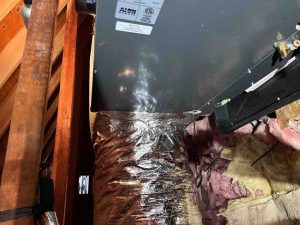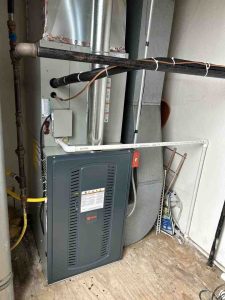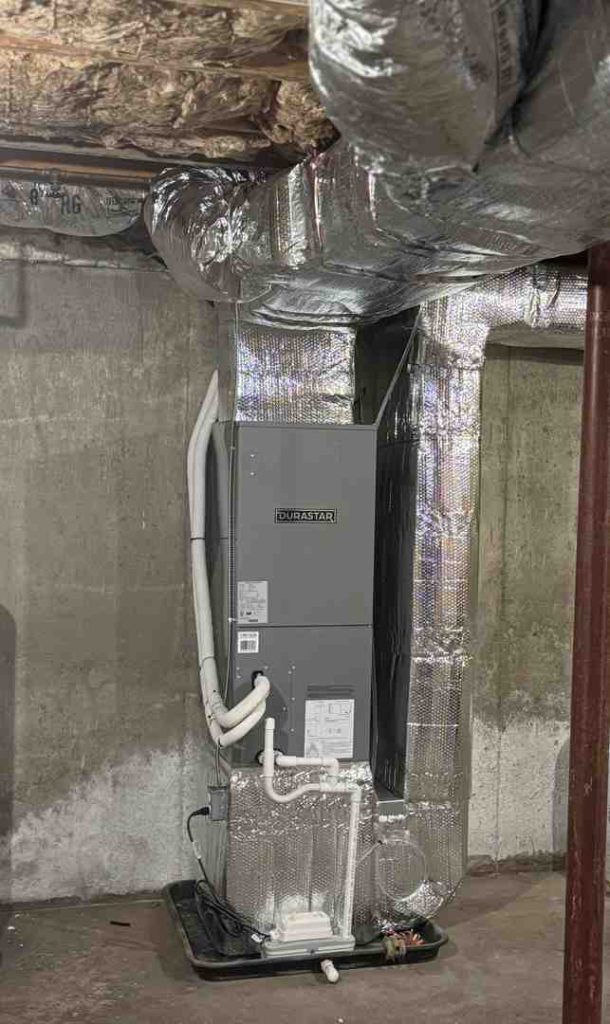
The Hidden Problem Lurking Behind Your Return Vent Covers
Duct cleaning return vents is one of those home maintenance tasks most people overlook — until something goes wrong.
Here’s a quick answer if you need it now:
When should you clean return vents and ducts?
- Return vent grilles (the covers): Clean every 3–6 months with a vacuum and damp cloth
- Inside the return ducts (deep cleaning): Every 3–5 years, or sooner if you notice mold, pests, heavy dust, or just completed a renovation
- DIY is fine for surface cleaning — remove the grille, vacuum the opening, wash the cover
- Hire a pro when there’s visible mold, pest activity, heavy debris buildup, or you suspect deeper contamination
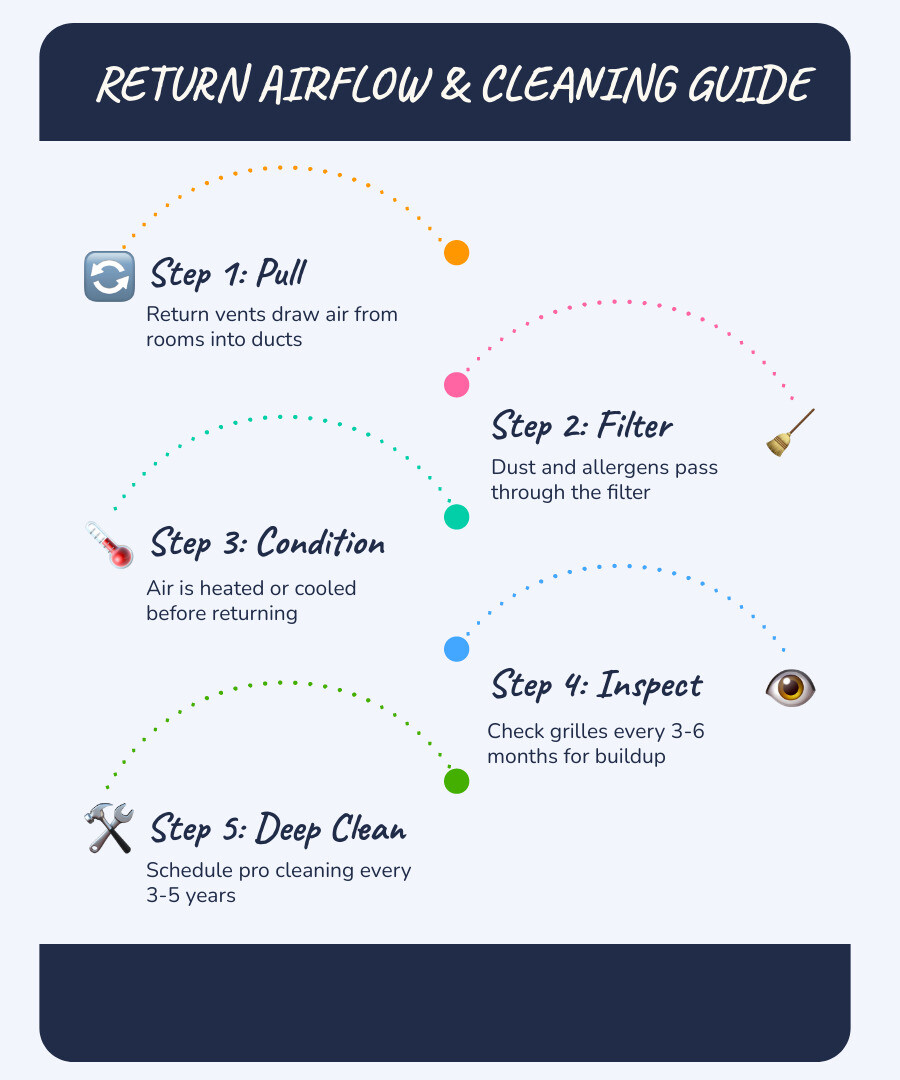
Your HVAC system works like a giant loop. Supply vents push conditioned air into your rooms. Return vents pull that air back into the system to be filtered and reconditioned. Every bit of dust, pet hair, and allergen floating in your home gets drawn toward those return grilles.
That’s why return vents get dirty fast — and why ignoring them can quietly affect your air quality and your system’s efficiency.
Think about this: if your return duct is clogged with a season’s worth of dust and pet fur, your HVAC has to work harder to pull air through. That means longer run times, higher energy bills, and more wear on your equipment.
I’m Richard Marcello, President of Advanced Heating & Cooling, and with over 30 years of hands-on HVAC experience serving Rhode Island homeowners, I’ve seen how neglected return ducts can quietly strain a system and degrade indoor air — duct cleaning return vents is one of the most commonly skipped yet impactful maintenance tasks I encounter. In this guide, I’ll walk you through exactly what’s happening inside those ducts, what you can handle yourself, and when it’s time to call in a professional.
What Return Vents Do and Why They Get So Dirty
Return vents are the intake side of your HVAC system. They pull air from your rooms back to the air handler or furnace so it can be filtered, heated, or cooled again. In many homes around Smithfield and nearby communities, the return side includes grilles, short branch ducts, larger trunk lines, a return plenum, and the filter housing.
Because returns are constantly sucking in household air, they naturally collect more dust than supply vents.
How return air ducts differ from supply ducts
Supply ducts deliver conditioned air into your home. Return ducts bring air back out of the living space and toward the equipment. That difference matters.
A few easy clues:
- Supply vents usually have louvers you can adjust
- Return grilles are often larger and usually do not have directional louvers
- If you hold a tissue near a return grille, it should pull inward with suction
- Return ducts are often larger because they move high volumes of air at lower velocity
In a forced-air system, air should move in a loop: supply out, return back. If the return side is dirty, leaking, or blocked, that whole loop suffers.
Why return vents collect more dust than supply vents
Returns are basically your home’s giant vacuum nozzle. They pull in:
- Dust
- Pet hair
- Pollen
- Dander
- Fabric fibers
- Remodeling debris
- Airborne particles that never make it to the filter
Some of that material gets caught on the grille face. Some settles just inside the duct. Some travels farther if the filter is missing, overloaded, or allowing air to bypass around the edges.
This is one reason return vents can look grimy much faster than supply vents. They are on the dirty side of the airflow path.
Where return contamination usually starts
Most return-side contamination begins in one of these places:
- The grille face, where dust sticks first
- The first few feet of duct behind the grille
- The filter slot or housing, especially if the filter fits poorly
- The return plenum near the air handler
- Leaky return ducts in attics, basements, crawlspaces, or wall cavities
- After construction or remodeling, when fine dust gets pulled into open returns
In some homes, return plenums or pathways may even use wall or framing cavities rather than full metal duct runs. That can make contamination and leakage more likely if the system is not well sealed.
Duct cleaning return vents: When Cleaning Actually Matters
Not every dusty grille means you need a full duct cleaning. The EPA does not recommend routine duct cleaning on a fixed schedule for every home. Instead, it recommends cleaning as needed, especially when there is visible mold, pest infestation, or heavy debris being released into the home.
That is an important distinction. Surface dust alone is normal. Deep contamination is not.
Signs your return vents and ducts need attention
Here are the most common warning signs we tell homeowners to watch for:
- Visible dust buildup on the return grille shortly after cleaning
- Dark dust streaks on the wall or ceiling around the vent
- Musty or stale odors when the system runs
- Allergy symptoms that seem worse indoors
- Weak airflow or rooms that feel stuffy
- Noisy return air movement or whistling
- Filters loading up unusually fast
- Recent remodeling or drywall work
- Signs of rodent or insect activity
- Debris visible more than just the first inch or two inside the duct
If you have hot or cold spots, the return side may not be the only issue, but restricted or leaky returns can definitely contribute.
Risks of ignoring dirty return ducts
Ignoring dirty return ducts can create several problems over time:
- Reduced airflow to the equipment
- Longer HVAC run times
- Extra strain on the blower motor
- Faster filter loading
- Energy waste
- More recirculation of dust and dander
- Moisture plus dust, which can support microbial growth
- Musty odors
- In severe cases, contamination from pests or water damage
We also want to be honest about the health side. EPA guidance says duct cleaning has never been shown to actually prevent health problems, and studies do not conclusively show that dirty ducts alone raise particle levels in every home. But if you already have heavy debris, mold, pests, or dust blowing out into living spaces, that is no longer a theoretical issue. That is a clear maintenance problem.
How often experts recommend cleaning return air ducts
The best answer is: inspect first, then clean based on condition.
A practical schedule looks like this:
- Return grilles: every 3-6 months
- Filter changes: usually every 1-3 months, depending on system and home conditions
- Professional inspection of duct condition: as needed or during HVAC maintenance
- Deep duct cleaning: often every 3-5 years when conditions justify it
NADCA guidance commonly points to 3-5 year intervals for residential systems under normal conditions, but more frequent service may make sense if you have pets, recent renovations, high dust levels, filter bypass, or suspected contamination. EPA guidance is more conservative and says not to clean routinely, only as needed.
How to Clean Return Air Vents Yourself Without Damaging the System
DIY cleaning is fine for light maintenance. It is a good way to keep grille dust under control and remove debris from the first few feet of accessible duct. For a basic homeowner approach, guides like this return vent cleaning walkthrough and this DIY duct cleaning overview can help.
What DIY cannot do well is clean the full return trunk, plenum, blower assembly, and deep bends in the system.
Tools you need for light Duct cleaning return vents
For shallow cleaning, gather:
- Screwdriver or drill
- Vacuum with hose attachment or shop vac
- Soft brush or vacuum brush attachment
- Flashlight
- Microfiber cloth
- Mild soap and water
- Gloves
- Dust mask
- Step ladder if the grille is high
- Replacement HVAC filter
If you are cleaning a ceiling return, use a stable ladder and do not overreach. Falling off a ladder is a terrible way to celebrate cleaner air.
Step-by-step: clean the grille and first few feet of the return
- Turn off the HVAC system at the thermostat.
- Remove the return grille carefully and set screws aside.
- Vacuum the grille face first so you do not dump dust everywhere.
- Shine a flashlight into the duct and vacuum loose debris you can safely reach.
- Use a soft brush only on accessible metal surfaces. Do not force tools deep into turns.
- Wash the grille with mild soap and water.
- Dry the grille completely before reinstalling it.
- Check the filter and replace it if dirty.
- Reinstall the grille and turn the system back on.
For most homeowners, this is enough for routine maintenance between professional visits.
Mistakes homeowners should avoid during DIY cleaning
These are the big ones:
- Spraying chemicals or disinfectants into ducts
- Using aggressive brushes on fiberglass duct board or lined ductwork
- Cleaning moldy material without identifying the moisture source
- Using cloth duct tape to seal leaks instead of foil tape or mastic
- Pushing debris deeper into the duct
- Forgetting to replace the filter
- Blocking returns with furniture, rugs, or drapes
- Getting insulation or duct liner wet
EPA does not recommend routine use of chemical biocides in ducts, and EPA-registered products are limited for HVAC applications. In short: if your first instinct is “maybe I should spray something in there,” pause.
When to Hire a Professional for Return Duct Cleaning
DIY is useful, but there is a hard limit to what a household vacuum and a determined Saturday can accomplish.
You should schedule professional service when you see:
- Visible mold or suspected microbial growth
- Pest infestation or droppings
- Heavy debris beyond reachable depth
- Post-construction dust
- Major pet hair buildup in deeper returns
- Dirty blower components or plenum contamination
- Fiberglass duct materials that need careful handling
- Persistent odors with no obvious source
- Repeated dust problems after cleaning the grille and changing filters
If you want a better picture of full-service cleaning, read our guide to professional AC duct cleaning services and our breakdown of air duct cleaning costs.
What professional return duct cleaning looks like
A proper cleaning follows a source-removal process, not just a quick vacuum at the vents.
That usually includes:
- Inspecting the return side and overall system
- Creating access openings where needed
- Placing the system under continuous negative pressure
- Using agitation tools such as brushes, air whips, or compressed-air nozzles
- Pulling loosened debris into a collection vacuum
- Cleaning return branches, trunk lines, and the plenum
- Checking or cleaning the blower compartment and related components
- Replacing the filter after service
NADCA emphasizes that contaminants should be loosened and removed while the system stays under negative pressure so debris is captured instead of blown into the home.
Why partial cleaning is not enough
This is one of the biggest problems in the industry. If someone only cleans a few vents and skips the rest of the system, contamination can come right back.
A quality job should consider the whole HVAC system, including:
- Return ducts
- Supply ducts
- Return plenum
- Blower assembly
- Coil area
- Drain pan
- Registers and grilles
- Filter housing
If the blower is dirty, it can continue launching dust. If the coil is matted, airflow suffers. If return leaks are pulling attic or wall dust into the system, another surface cleaning will not solve the root cause.
How to choose a qualified duct cleaning company
Before booking, ask smart questions:
- Do you follow NADCA cleaning standards?
- What parts of the system are included in the scope?
- Will you clean the return plenum and blower area too?
- How will you keep debris from entering the living space?
- Will you provide a written estimate?
- Can you show before-and-after photos or inspection findings?
- Are you using negative pressure and agitation tools?
- Do you recommend cleaning based on inspection, or sell it as automatic routine service?
- Are there signs of leakage, filter bypass, or moisture that also need correction?
Be careful with ultra-cheap offers. A very low whole-house price can be a red flag for superficial work, upselling, or both. Honest pricing and a clear written scope matter more than flashy coupons.
How to Keep Return Vents Cleaner After the Service
Cleaning is only half the job. Prevention is what keeps the problem from coming back two weeks later.
For a broader indoor air strategy, see our resources on indoor air quality in Rhode Island homes and creating a healthier home environment.
Smart maintenance habits that reduce future contamination
These habits make a real difference:
- Change filters on schedule
- Use the highest-efficiency filter your system can handle
- Vacuum return grilles every few months
- Keep furniture and curtains away from returns
- Control pet hair with regular housekeeping
- Run the fan on circulate mode if recommended for your system
- Schedule routine HVAC maintenance
- Keep the area around the air handler clean
A clean grille with a clogged filter is like brushing your teeth while eating cookies nonstop. Helpful, but incomplete.
Fix the root cause of recurring dust
If dust keeps coming back quickly after cleaning, the issue may be one of these:
- Return duct leaks pulling in dirty air
- Gaps around the filter slot allowing bypass
- Dirty blower assembly
- Debris on the evaporator coil
- Attic or wall insulation being drawn into leaky returns
- Poor sealing at the return plenum
This is where cleaning and repair overlap. In many cases, sealing return leaks or correcting filter fit does more good than repeating another light cleaning.
Special cases: mold, moisture, and new construction dust
Some situations need extra caution.
Mold and moisture:
- If there is water damage or condensation, fix that first
- Wet or moldy fiberglass duct material may need replacement rather than cleaning
- Do not disturb suspected mold without a plan for safe remediation
New construction or remodeling:
- Drywall dust, sawdust, and insulation fibers often get pulled into returns
- Returns should be protected during renovation
- A post-project inspection is smart before declaring the job done
High humidity:
- Relative humidity that stays too high can support microbial growth
- Moisture control matters just as much as dust removal
Frequently Asked Questions About Duct Cleaning Return Vents
Does cleaning return ducts improve health?
Sometimes it helps comfort and cleanliness, but we should not overpromise. EPA says duct cleaning has not been proven to prevent health problems. If you have allergies, asthma triggers, pets, or visible contamination, cleaning may reduce nuisance dust and some irritants, but source control still matters most.
That means:
- Change filters regularly
- Control humidity
- Fix leaks
- Remove mold sources
- Improve housekeeping and ventilation
Can dirty return vents reduce HVAC efficiency?
Yes. Dirty return grilles, loaded filters, heavy debris, and blocked airflow can all make the system work harder. That can lead to:
- Longer run times
- Reduced airflow
- More blower strain
- Higher operating costs
- Faster wear on equipment
Research does suggest that cleaning HVAC components may improve efficiency in some cases, especially when buildup is affecting airflow.
Is DIY enough or should I schedule service?
DIY is enough for:
- Routine grille cleaning
- Light dust near the opening
- Basic upkeep every few months
Professional service is better for:
- Deep duct contamination
- Mold or moisture concerns
- Pest evidence
- Construction debris
- Repeated dust shortly after cleaning
- Dirty blower, plenum, or coil issues
- Homes that have never had a proper inspection
If you are in Smithfield, Forestdale, Greenville, Georgiaville, North Smithfield, Johnston, or nearby areas we serve, we can help determine whether you need simple maintenance, deep cleaning, duct sealing, or a larger HVAC airflow fix.
Conclusion
Return vents do not get much attention, but they do a lot of heavy lifting. When they are clean and unobstructed, your system can breathe better, filter better, and move air more efficiently. When they are neglected, they can become a quiet source of dust, odor, and airflow problems.
The key is to stay practical:
- Clean the grille every 3-6 months
- Replace filters regularly
- Watch for dust, odors, moisture, and weak airflow
- Schedule deep cleaning when inspection shows it is actually needed
If you want help from a local team with decades of HVAC experience, we are here for homeowners and businesses across Smithfield and surrounding Rhode Island communities. You can learn more about our HVAC cleaning services or explore our AC duct cleaning services guide.
Cleaner return vents will not solve every indoor air problem, but they are one of the smartest places to start.