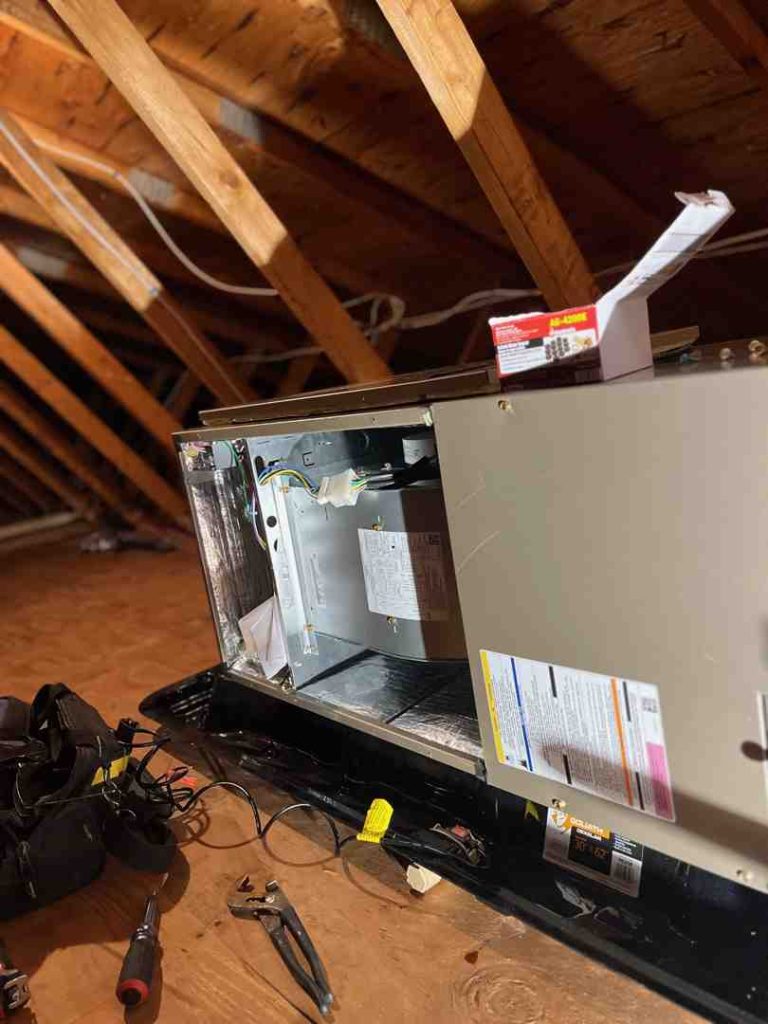
When Your Furnace Fails: How to Get Emergency Heating Help Fast
Emergency furnace repair is exactly what you need when your heating system stops working and the temperature inside your home is dropping fast. Here’s what to do right now:
Quick Answer: Emergency Furnace Repair Steps
- Check the basics first — thermostat settings, circuit breaker, air filter, and gas valve
- If you smell gas or hear CO alarms — leave the house immediately and call 911
- If no obvious fix — call a 24/7 emergency HVAC technician
- Stay warm while you wait — use space heaters safely, close off unused rooms
- Don’t run a furnace that smells like burning or makes loud banging noises — shut it off and wait for a pro
It’s the middle of winter. The temperature outside is dropping. You wake up and realize your house is cold — and getting colder. It’s not just uncomfortable. For children, elderly family members, or anyone with health conditions, a heating failure can become dangerous quickly.
The problem is, most furnace failures happen at the worst possible time — late at night, on a weekend, or during the coldest stretch of the year. And when you’re stressed and freezing, it’s hard to know what to do first.
This guide walks you through everything: how to recognize a true heating emergency, what you can safely check yourself, and how to find reliable help fast — without getting oversold or overcharged.
I’m Richard Marcello, President of Advanced Heating & Cooling, and with over 30 years of hands-on HVAC experience serving Rhode Island homeowners and businesses, I’ve responded to hundreds of emergency furnace repair calls across all types of systems and situations. I’ll share what I’ve learned so you can act quickly, stay safe, and make smart decisions when your heat goes out.
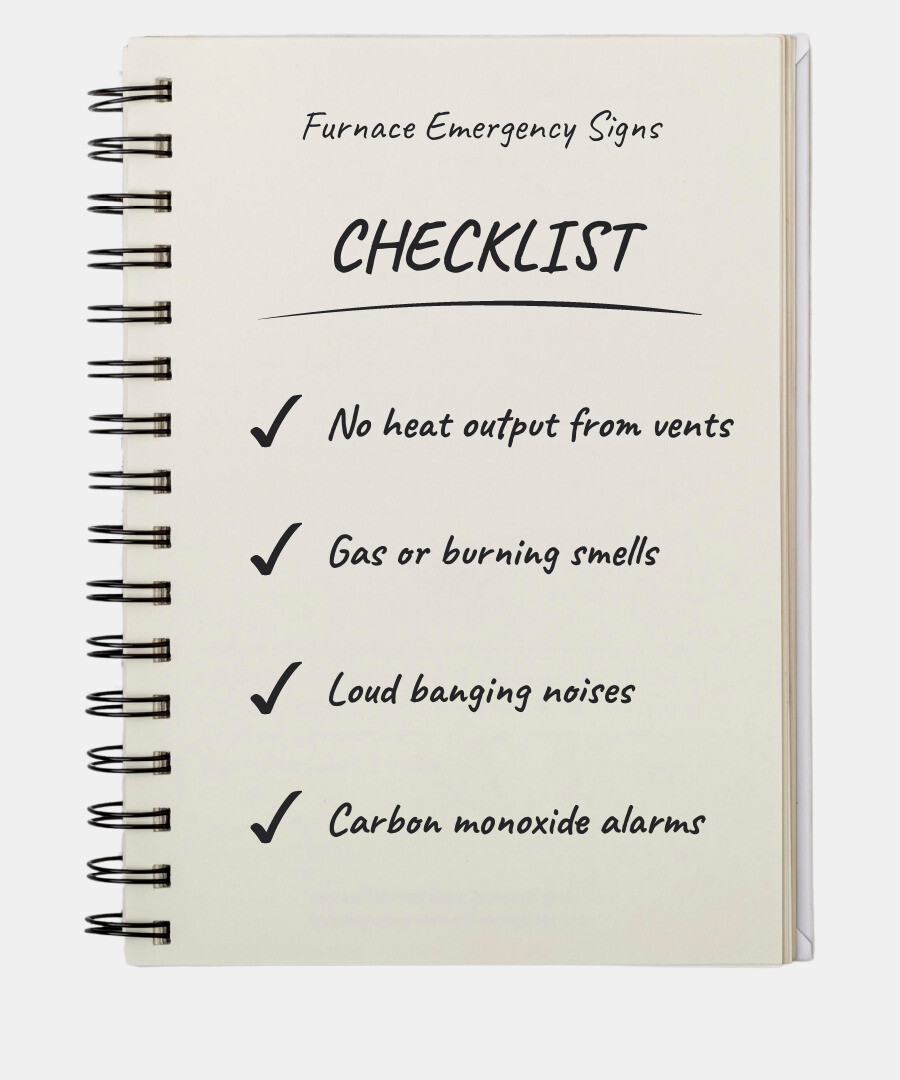
Quick emergency furnace repair definitions:
Identifying an Emergency Furnace Repair Situation
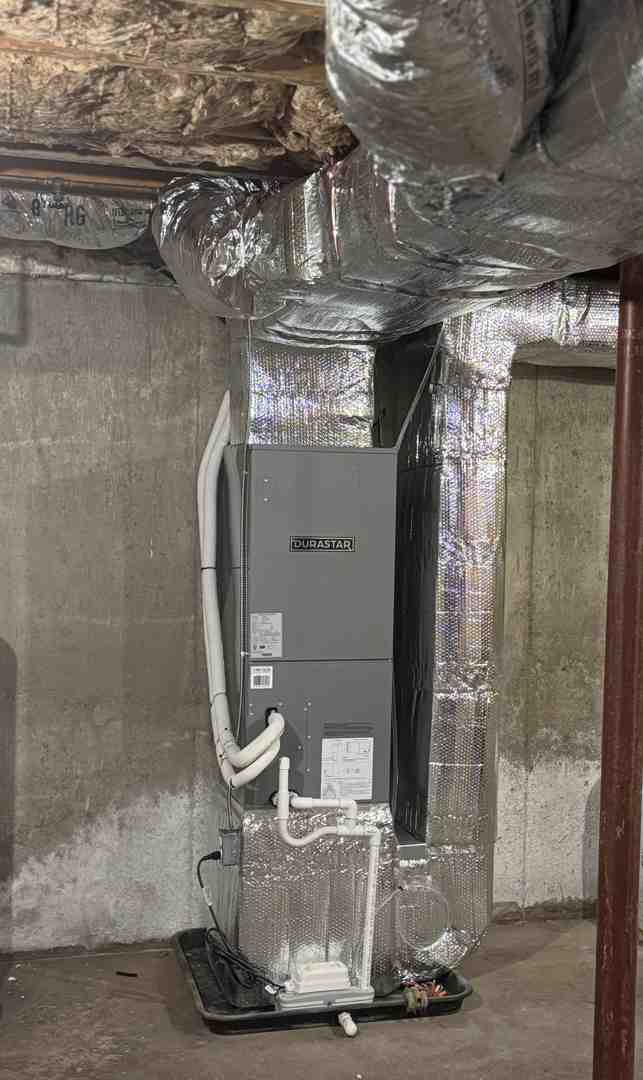
In May 2026, we are seeing that modern furnaces are more reliable than ever, but they still face significant stress during New England’s unpredictable winters. A furnace failure isn’t always just a “no heat” situation; sometimes, the system is running but doing so in a way that endangers your home.
Recognizing when to call for Emergency Heating Services System Fails/ is the first step in protecting your property. If your indoor temperature is dropping below 60°F, you are officially in an emergency zone. In Rhode Island, where temperatures can plummet into the teens, a house can lose heat rapidly, leading to more than just shivering—it can lead to structural damage like frozen pipes.
Signs You Need Immediate Help
Beyond a total loss of heat, keep an ear and nose out for these red flags:
- Banging or Screeching Noises: Loud banging often indicates “delayed ignition.” This happens when gas builds up before igniting, causing a small explosion inside the combustion chamber. Screeching or whistling usually points to a failing blower motor or a damaged belt.
- A Yellow Pilot Light: A healthy pilot light should be crisp and blue. A yellow or flickering flame suggests incomplete combustion, which is a primary producer of carbon monoxide (CO).
- Electrical Burning Smells: If your home smells like melting plastic or ozone, your furnace’s wiring may be overheating.
- Short Cycling: If the furnace turns on and off every few minutes without ever reaching the set temperature, it is likely overheating due to restricted airflow.
The risks of ignoring these signs are significant. According to the CDC, extreme weather conditions—both heat and cold—contribute to thousands of hospitalizations annually. While we often focus on heat stroke during summer (which becomes a risk when the heat index exceeds 103°F), winter failures pose an equal threat to vulnerable groups like the elderly and infants who cannot regulate body temperature as efficiently.
Safety First: Immediate Steps and Troubleshooting
Before you panic and search for emergency furnace repair, there are a few “homeowner-level” checks that can save you a service fee. However, safety must remain your top priority. If you suspect a gas leak or see smoke, skip the troubleshooting and get out.
If the situation seems stable but the air is just cold, follow our Hvac Repair Maintenance/ safety checklist:
- Switch to “Auto”: Ensure your thermostat is set to “Heat” and the fan is on “Auto.”
- Close the Curtains: Keep the heat you do have inside by closing curtains and sealing drafts at the bottom of doors with towels.
- Space Heater Safety: If you use electric space heaters, keep them at least three feet away from curtains, bedding, or furniture. Never leave them unattended or plugged into an extension cord.
Safe Troubleshooting for Emergency Furnace Repair
Sometimes the fix is simpler than you think. Check these five things before calling us:
- Thermostat Batteries: It sounds simple, but a dead screen means no signal to the furnace. Replace the batteries even if the screen looks okay.
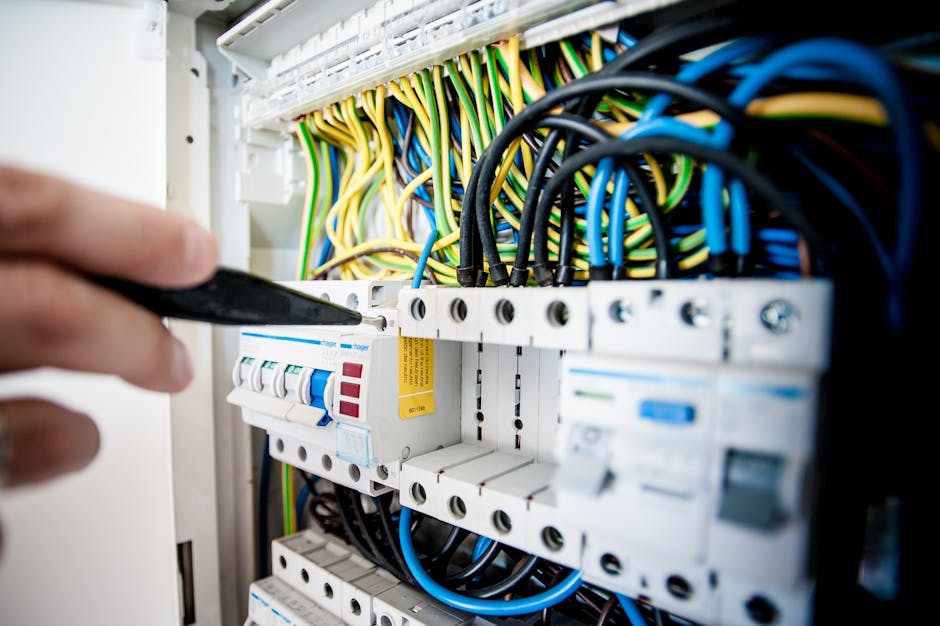
- The Circuit Breaker: Check your electrical panel. If the furnace breaker has tripped to the “Off” position, flip it back once. If it trips again immediately, stop—this indicates an electrical fault that requires a pro.
- Air Filters: A clogged filter is the #1 cause of furnace “lockout.” If the furnace can’t breathe, it will shut down to prevent the heat exchanger from cracking.
- The Service Switch: Most furnaces have a switch that looks like a light switch on the side of the unit or a nearby wall. Ensure it hasn’t been accidentally flipped off.
- Vent Blockages: In heavy snow, ensure your intake and exhaust pipes (usually white PVC pipes sticking out the side of your house) aren’t buried in a drift.
If these basics don’t restore warmth, it’s time for professional Heating Repair/.
When to Evacuate Immediately
There are three scenarios where you should not stay in the house:
- The Smell of Rotten Eggs: This is the scent added to natural gas. If you smell it, do not touch any light switches or phones inside. Leave immediately and call the gas company from your neighbor’s yard.
- CO Alarm is Sounding: Carbon monoxide is odorless and colorless. If your alarm goes off, treat it as a life-threatening emergency.
- Visible Smoke or Sparks: If the furnace is physically smoking, shut off the power at the breaker if safe to do so, and evacuate.
The Professional Emergency Furnace Repair Process
When you call for emergency furnace repair in Smithfield or surrounding areas like Johnston or North Smithfield, you shouldn’t be left wondering what happens next. A professional response should be organized and transparent.
At Advanced Heating & Cooling, we prioritize safety and speed. Our Hvac Repairs In Smithfield/ follow a strict protocol to ensure your home is back to normal as quickly as possible.
What to Expect During Emergency Furnace Repair
Most reputable companies aim for a 60–90 minute response time during peak emergencies. Here is the standard workflow:
- Dispatch & Arrival: You should receive a call or text when the technician is on the way. Our trucks are mobile warehouses, stocked with common components like igniters, flame sensors, and blower motors to ensure we can finish the job in one visit.
- Diagnostic Testing: The technician will perform a Smithfield Ri Heating Repair 101/ evaluation, checking the gas pressure, electrical connections, and the integrity of the heat exchanger.
- Upfront Pricing: You should never be surprised by a bill. After the diagnosis, you’ll receive an estimate. Only after you approve the price does the work begin.
- Safety Verification: Once repaired, the technician must test the system for gas leaks and carbon monoxide output to ensure it’s safe for your family to sleep soundly.
Repair vs. Replacement: Making the Right Call
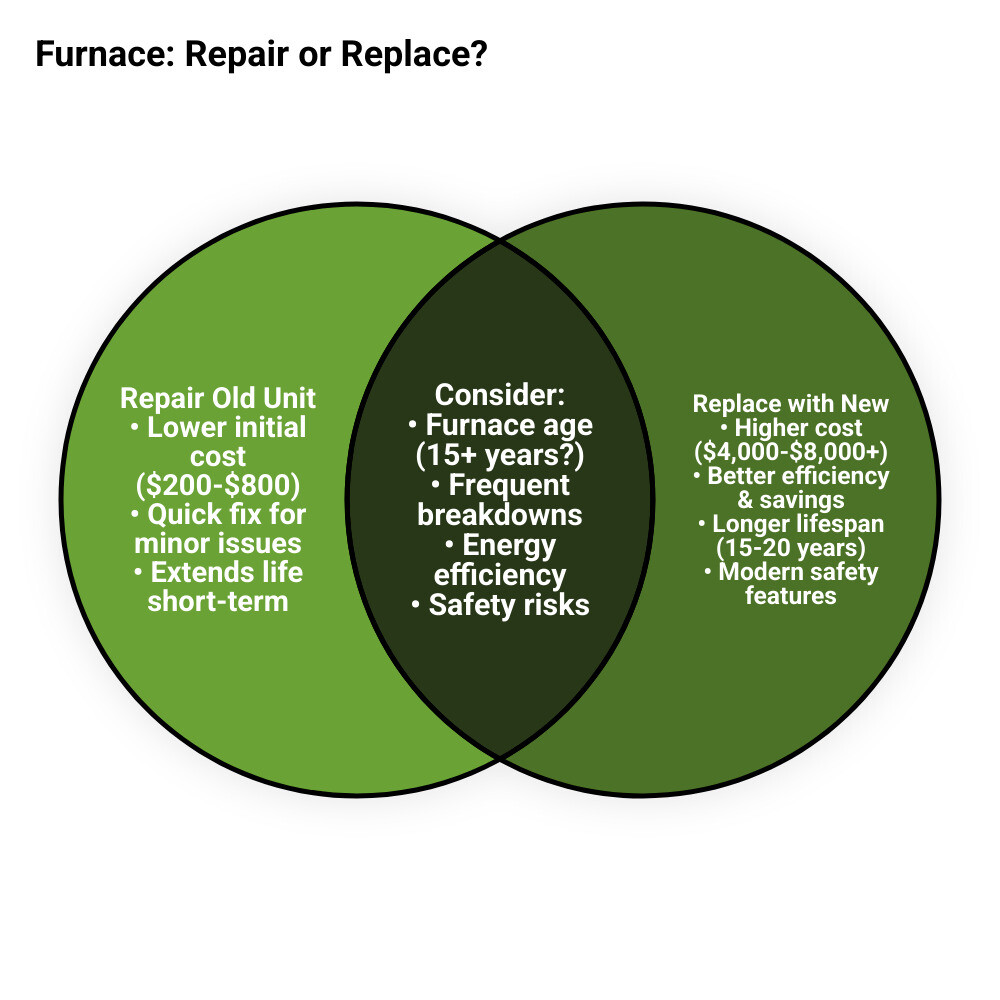
One of the hardest decisions during an emergency furnace replacement service/ call is whether to keep patching up an old unit or invest in a new one.
| Feature | Repair the Old Unit | Replace with New |
|---|---|---|
| Initial Cost | Lower ($200 – $800) | Higher ($4,000 – $8,000+) |
| Lifespan | Temporary fix | 15 – 20 years |
| Efficiency | Same (likely low) | 95% – 98% AFUE |
| Warranty | Part-specific only | Full 10-year parts & labor |
| Safety | Risk of future CO leaks | Modern safety sensors |
Factors Influencing Your Decision
We generally recommend the “15-Year Rule.” If your furnace is over 15 years old and the repair cost is more than 50% of the value of a new system, replacement is usually the smarter financial move.
Other factors include:
- Frequency of Breakdowns: If we’ve seen you three times this winter, your furnace is telling you it’s tired.
- Energy Bills: Modern units can save you up to 30% on monthly utilities compared to a 20-year-old “clunker.”
- Safety Risks: A cracked heat exchanger is a non-negotiable replacement situation. It is illegal and dangerous to run a furnace with a compromised combustion chamber.
For more details on making this choice, see our guide on Heating Installation Repair/.
Costs and Assistance for Urgent Heating Needs
Emergency service often comes with different pricing structures than a scheduled Tuesday afternoon tune-up. Because technicians are pulled away from their families at 2:00 AM or on Christmas Day, “emergency fees” or overtime labor rates are common in the industry.
However, we believe in being fair. Many homeowners find that joining a maintenance plan is the best way to avoid these high costs. Members often get waived emergency fees and priority “front-of-the-line” service during blizzards.
Assistance and Income-Qualified Programs
If you are worried about the cost of an emergency repair, there are resources available for Rhode Island residents.
- LIHEAP (Low Income Home Energy Assistance Program): This federal program helps households pay for heating bills and, in some cases, emergency furnace repairs through the Crisis Intervention Program.
- Energy Outreach: Local community action programs in areas like Smithfield and North Smithfield often have “Heater Hotlines” that provide 24-hour emergency assistance for income-qualified families.
If you are struggling, don’t stay in the cold. Contact us, and we can often point you toward the Advanced Heating & Cooling Services or local programs that can help bridge the gap.
Frequently Asked Questions about Emergency Heating
How long does an emergency repair usually take?
Most emergency furnace repair visits take between one and three hours once the technician arrives. If a specialized part is needed that isn’t on the truck, it may take longer, but we always provide temporary heating solutions (like space heaters) to keep you safe in the meantime.
Is no heat always considered an emergency?
In Rhode Island, yes. If the outside temperature is below 45°F, a lack of heat is an emergency because the home’s temperature will eventually drop to dangerous levels, risking both human health and plumbing integrity.
Why is my furnace making a loud banging noise?
This is usually “delayed ignition.” Gas builds up because the igniter is dirty or weak. When it finally catches, it creates a small “boom.” This can eventually crack your heat exchanger, so it should be treated as an urgent repair.
Conclusion
A furnace breakdown is stressful, but it doesn’t have to be a disaster. By knowing the signs of trouble, performing basic safety checks, and knowing who to call, you can protect your home and family.
Advanced Heating & Cooling has been the trusted name in Smithfield, RI, for over 30 years. We are a locally owned and operated team that treats your home like our own. Whether you are in Greenville, Johnston, or Slaterville, our NATE-certified technicians are ready to provide honest, quality workmanship for both residential and commercial systems.
Don’t wait for the temperature to drop further. Schedule your emergency furnace repair today and get the peace of mind you deserve.