When a Nor’easter Hits, Your HVAC System Is on the Front Lines
Nor’easter 2026: How Heavy Snow and Ice Can Impact Your HVAC System is a serious concern for every homeowner and business owner across Rhode Island and southern New England this winter season.
Here’s a quick answer if you need it fast:
- Snow buildup blocks airflow to outdoor condenser and evaporator coils, forcing your system to work harder and potentially shut down
- Ice accumulation freezes fan blades, clogs drain lines, and damages coil fins
- Power outages and surges during the storm can fry sensors, relays, and control boards
- Defrost cycle stress can cause heat pumps to struggle or blow cool air after the storm passes
- Delayed failures are common — systems that ran fine during the storm often break down days later
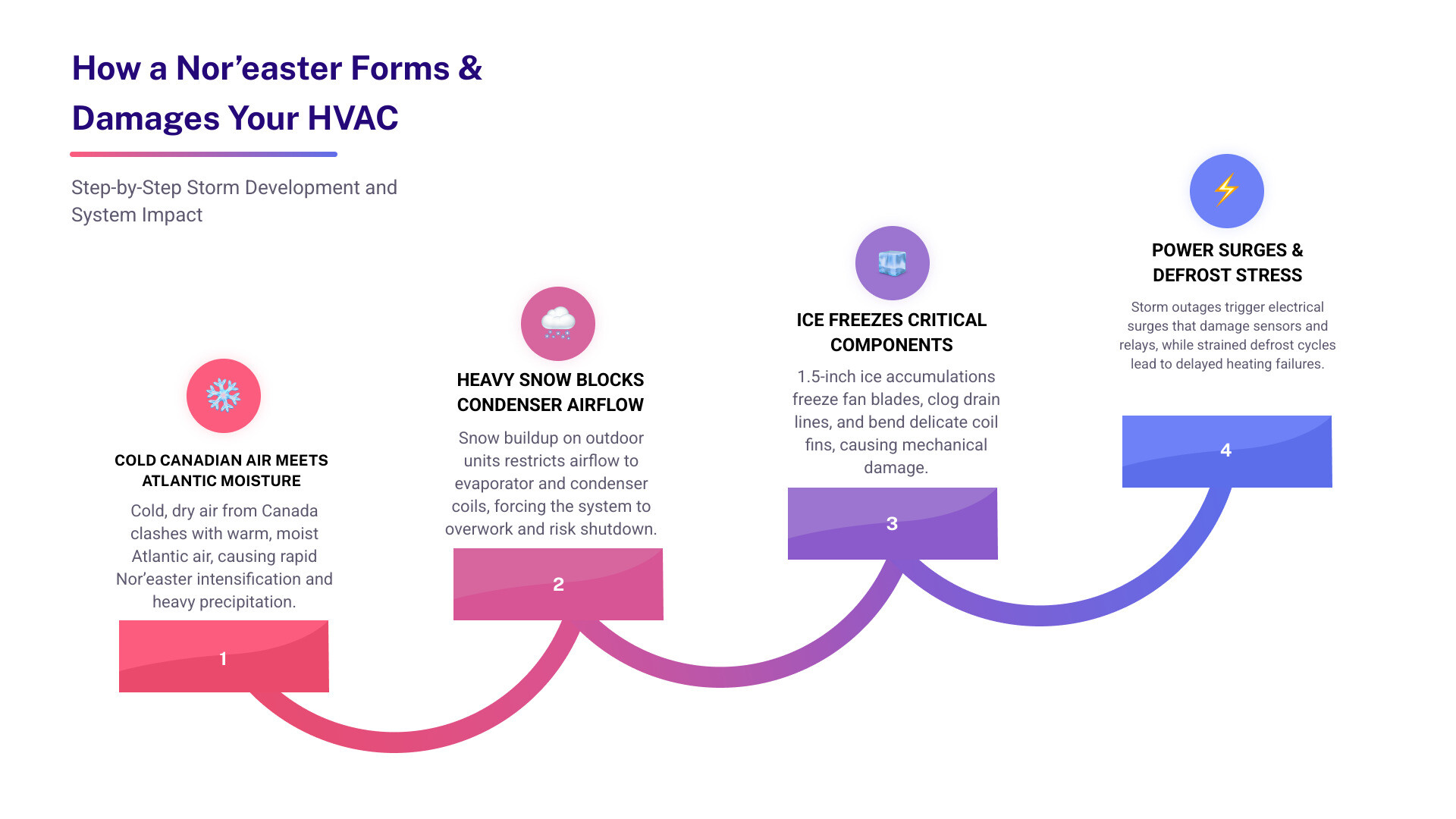
Winter storms in the Northeast aren’t gentle. A Nor’easter forms when cold, dry air from Canada collides with warm, moist air rising off the Atlantic Ocean. That clash can produce heavy snow, thick ice, and fierce winds — all in a matter of hours.
The 2025-26 winter outlook makes this even more relevant. Forecasters are calling for above-average precipitation in the Northeast, with Nor’easter development possible in both December and February. As one long-range forecaster put it, this season will be “mostly mild with pockets of wild.” Those wild pockets are exactly what can push an aging or poorly maintained HVAC system past its limit.
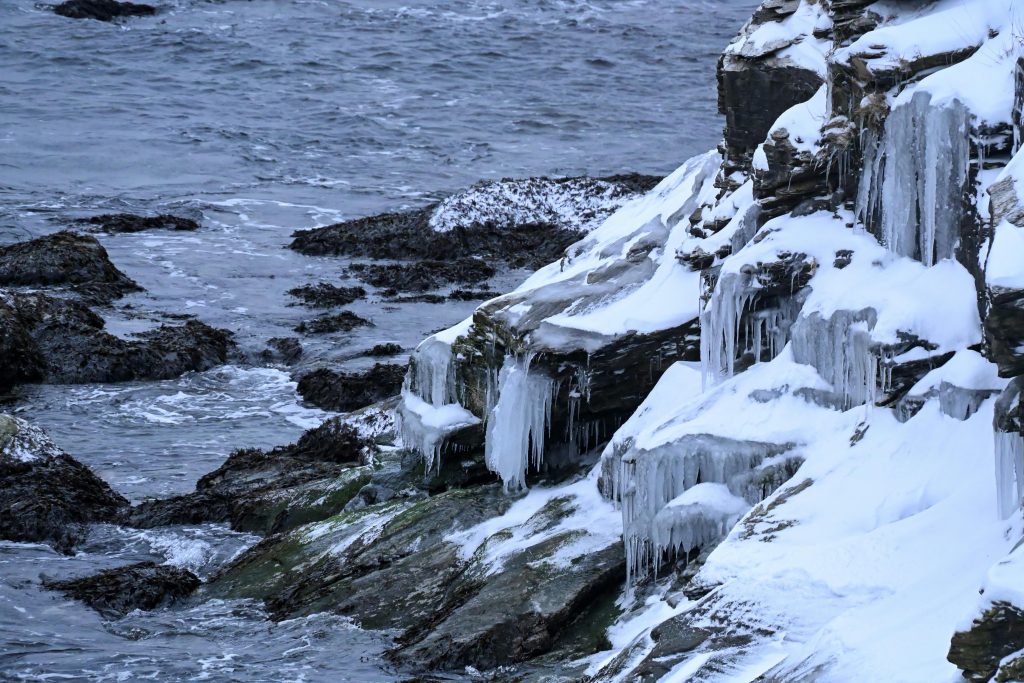
Ice is particularly brutal. Accumulations of just over half an inch can cause widespread tree damage and knock out power for days. At one to one-and-a-half inches — levels seen in parts of the country during January 2026 — the damage to infrastructure, and to your heating and cooling equipment, becomes severe.
I’m Richard Marcello, President of Advanced Heating & Cooling in Smithfield, RI, and I’ve spent over 30 years responding to exactly this kind of storm damage across Rhode Island — which means I’ve seen every way a Nor’easter 2026: How Heavy Snow and Ice Can Impact Your HVAC System scenario can play out, from frozen coils to post-storm electrical failures. In this guide, I’ll walk you through what actually happens to your equipment, and what you can do about it.
Understanding the 2026 Nor’easter Threat to Your Home
As we look toward the 2025-26 winter season, the weather patterns are showing some unique characteristics. Meteorologists are watching a weak-to-neutral La Niña, which often creates a “split jet stream.” For us in Rhode Island—from Smithfield to North Smithfield and down to Johnston—this means we might see more temperature swings than usual.
While some forecasts suggest lighter-than-average total snowfall for parts of New England, the risk of a major Nor’easter remains high. These storms thrive on the contrast between lingering Arctic air and the relatively warm waters of the Atlantic. When the polar vortex wobbles or the jet stream dips just right, it pulls that moisture inland, turning a “mild” winter into a “wild” one overnight.
The danger in a 2026 winter is the high precipitation forecast. Even if temperatures hover near freezing, we are at a higher risk for ice storms and heavy, wet snow. This “heavy” precipitation is exactly what Prepare Building HVAC System for Harsh 2026 Winter Conditions guides warn about. When you combine rapid temperature drops with high moisture, you get ice dams on roofs and “flash freezing” on outdoor HVAC units. In places like Greenville and Georgiaville, where coastal winds can whip up moisture, your outdoor unit can become a block of ice in just a few hours.
Nor’easter 2026: How Heavy Snow and Ice Can Impact Your HVAC System
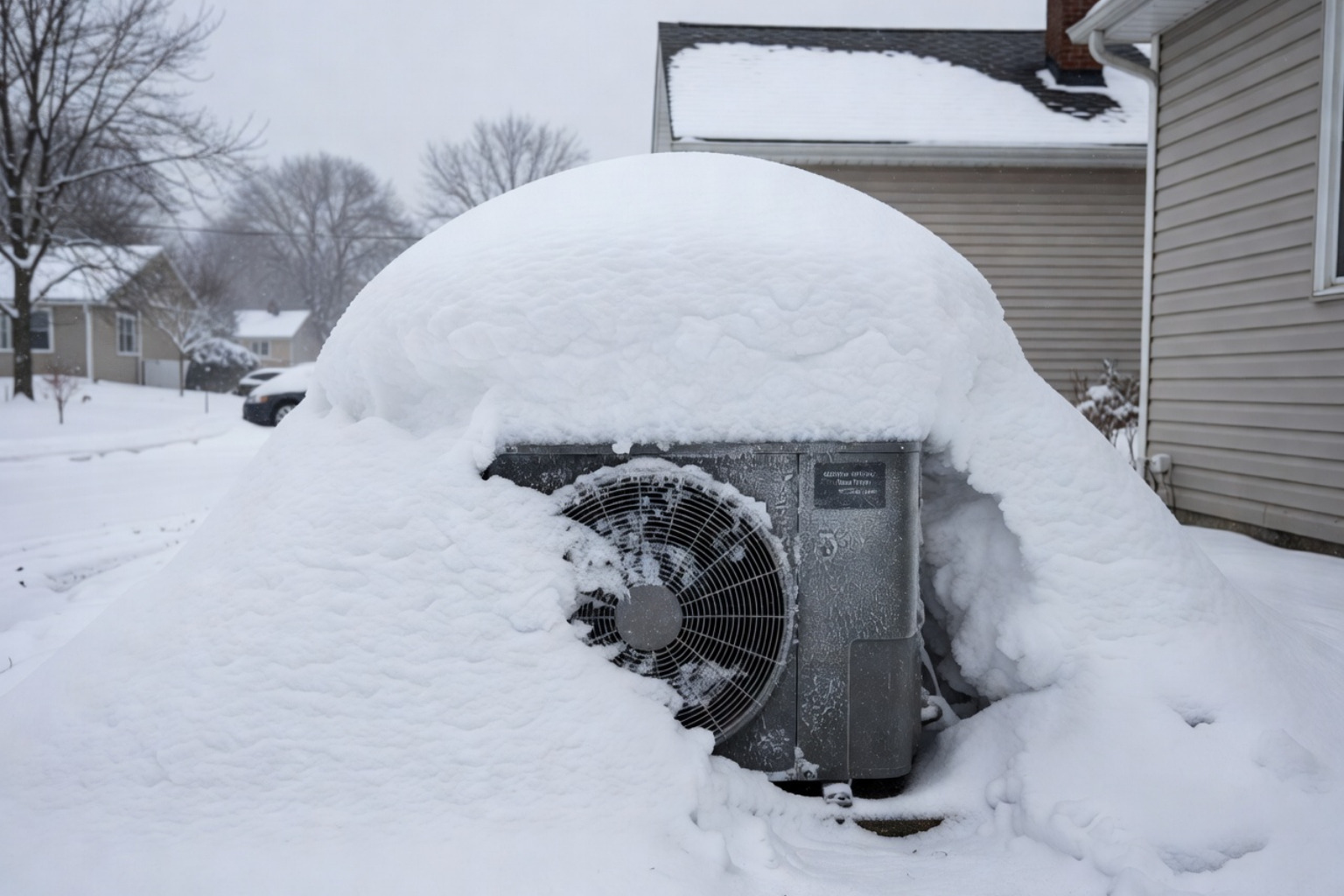
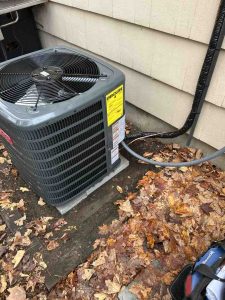
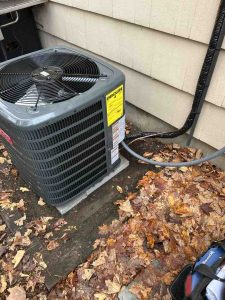
When the snow starts piling up, most of us are worried about shoveling the driveway. However, your HVAC system is fighting its own battle. For residential systems, the primary threat is airflow restriction. Your outdoor unit (the condenser) needs to “breathe” to exchange heat. If it’s buried under three feet of snow, it can’t pull in air. This causes the system to work overtime, spiking your utility bills and potentially leading to a total compressor failure.
The importance of HVAC maintenance becomes crystal clear during these events. A system that is already struggling with a dirty filter or low refrigerant levels will almost certainly fail when the temperature drops to single digits and the snow starts to drift.
Commercial systems face even greater risks. In a Nor’easter, wind-blown snow can bypass louvers and pack into internal components. We’ve seen cases where 1.5 inches of ice accumulation—which is enough to cause “high-end impacts” like widespread power outages—actually warps the metal casing of smaller units or snaps fan blades that have become unbalanced by ice.
Component Damage: Rooftop Units, Coils, and Condensers
The damage isn’t always visible from the ground. Rooftop Units (RTUs), common in commercial buildings throughout Smithfield and Esmond, are particularly vulnerable to “snow loading” and ice dams.
| HVAC Component | Snow Impact | Ice Impact |
|---|---|---|
| Condenser Coils | Blocks airflow; causes high-pressure shutdown | Crushes delicate “fins”; restricts heat transfer |
| Fan Blades | Physical obstruction; motor burn-out | Unbalances blades; snaps metal/plastic components |
| Drain Lines | Usually unaffected unless buried | Freezes condensate; causes indoor water leaks |
| Sensors | Inaccurate readings due to burial | Total failure; “ghost” error codes |
Ice is far more destructive than snow. While snow is heavy, ice expands and grips. When ice forms on your condenser coils, it can actually bend the aluminum fins, permanently reducing the unit’s efficiency. Furthermore, the impacts of humidity on your HVAC system are magnified in winter; high moisture levels during a storm lead to faster frost buildup on heat pump coils, triggering constant (and exhausting) defrost cycles.
Signs of Storm-Related HVAC Distress
How do you know if the Nor’easter 2026: How Heavy Snow and Ice Can Impact Your HVAC System has actually caused damage? Keep your ears and eyes open for these red flags:
- Unusual Noises: If you hear grinding, shrieking, or heavy vibrating, a fan blade might be hitting ice or a motor bearing might be failing due to the extra load.
- Lukewarm Air: If your vents are blowing air that feels “room temperature” rather than warm, your outdoor unit might be frozen solid or stuck in a failed defrost cycle.
- Frequent Cycling: If the system turns on and off every few minutes (short-cycling), a sensor may be blocked by snow or malfunctioning due to the cold.
- Emergency Heat Light: If your thermostat is constantly switching to “Auxiliary” or “Emergency” heat, your heat pump has likely given up trying to pull heat from the frozen outdoor air.
If you notice these signs, it’s time to look into emergency heating services when system fails to prevent a small issue from becoming a cracked heat exchanger or a dead compressor.
Why Systems Fail After the Storm: Defrost Cycles and Power Surges
One of the most frustrating things we hear from customers in Forestdale and Slaterville is: “It worked fine during the blizzard, so why did it quit two days later?”
This is the “delayed failure” phenomenon. During an ice storm, heat pumps enter frequent defrost cycles. This is where the system temporarily reverses itself to send heat to the outdoor coils to melt ice. It’s normal to see steam rising from the unit during this time. However, if the ice is too thick (exceeding half an inch), the defrost cycle might not be able to clear it all. The system continues to struggle, weakening internal relays and capacitors until they finally give out a few days later.
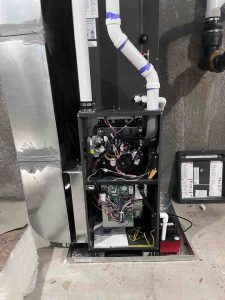
Then there’s the electrical side. Nor’easters are notorious for “power flickers”—those quick outages where the lights dim and come back on. These flickers create power surges that can fry the delicate control boards in modern, high-efficiency furnaces and heat pumps. Even if the system keeps running, a weakened relay might fail a week later. This is why we often recommend emergency heating repair in Smithfield for post-storm inspections; we can catch a “pitted” relay before it leaves you in the cold at 2:00 AM.
Proactive Maintenance and Winterization Strategies
The best way to survive a Nor’easter is to prepare before the first snowflake falls. At Advanced Heating & Cooling, we’ve found that a little bit of “pre-winterizing” saves our customers thousands in emergency repairs.
Start with a winter HVAC maintenance checklist for home. This should include:
- Filter Changes: A dirty filter restricts airflow. In a storm, your system is already working at 100% capacity; a clogged filter can be the “final straw” that causes a motor to overheat.
- Ductwork Inspection: Leaky ducts can lose up to 30% of your heated air before it ever reaches your living room.
- Thermostat Calibration: Ensure your thermostat is reading accurately so your system doesn’t run longer than necessary.
For our neighbors in Mapleville and Stillwater, we highly recommend professional heating system maintenance in Smithfield to check your heat exchanger for cracks and test your safety sensors.
Pre-Storm Preparation for Nor’easter 2026: How Heavy Snow and Ice Can Impact Your HVAC System
When the local news starts predicting a “Blockbuster Storm,” it’s time for some immediate action. Here are some winter heating tips to keep your home cozy and safe:
- Clear the Perimeter: Remove any leaves, patio furniture, or debris from around your outdoor unit. These can trap snow and lead to faster ice buildup.
- The “Top-Only” Cover Rule: If you have a central AC unit (not a heat pump), you can cover the top with a piece of plywood or a breathable “top-only” cover. Never wrap the entire unit in plastic; this traps moisture, causes rust, and invites rodents to move in for the winter.
- Check Your Vents: Ensure your intake and exhaust pipes (the white PVC pipes on the side of your house) are clear. If snow blocks these, your furnace will shut down instantly for safety.
- Snow Guards: For commercial rooftop units, consider installing snow guards or wind deflectors to prevent massive drifts from burying the equipment.
Post-Storm Inspection for Nor’easter 2026: How Heavy Snow and Ice Can Impact Your HVAC System
Once the wind dies down, put on your boots and head outside. Clearing snow from around your HVAC unit should be just as important as clearing your front walk.
- Gently clear snow: Use a broom, not a shovel, to clear snow away from the sides of your outdoor unit. You want at least 18 to 24 inches of clear space all the way around.
- Check the drain lines: If you see ice building up at the base of your unit, it could mean the condensate drain is frozen.
- Listen: Turn the system on and listen for any new rattles or hums.
If something feels “off,” don’t wait for a total breakdown. Scheduling HVAC repairs in Smithfield early can prevent a minor ice-related issue from destroying your compressor. the importance of regular heating maintenance doesn’t end when the storm starts; it’s what ensures your system survives the “wild” pockets of the 2026 winter.
Frequently Asked Questions about Winter Storm HVAC Care
When should I switch my heat pump to emergency heat?
You should switch to “Emergency Heat” (which uses your electric backup strips or gas furnace) only if you notice your outdoor unit is completely encased in ice or if the system is blowing cold air and the “Aux” light won’t turn off. Emergency heat is much more expensive to run, so use it sparingly until a technician can clear the ice or repair the unit.
Can heavy snow on my roof damage my commercial HVAC unit?
Absolutely. Beyond just blocking airflow, heavy snow can cause “roof flex.” If the roof bows under the weight of several feet of snow, it can put stress on the refrigerant lines and electrical connections of a rooftop unit, leading to leaks or shorts. Facilities managers should always include rooftop clearing in their winter maintenance plan.
Is it safe to wrap my entire outdoor AC unit in plastic during a storm?
No! We see this every year in Johnston and Smithfield, and it’s a recipe for disaster. Wrapping a unit in plastic traps humidity inside, which causes the metal components to corrode. It also creates a warm, dry “tent” that mice and squirrels love. A simple piece of plywood weighted down on the top of the unit is all you need to protect it from falling icicles.
Conclusion
The Nor’easter 2026: How Heavy Snow and Ice Can Impact Your HVAC System is a formidable challenge, but it’s one you can win with the right preparation. Whether you are managing a large commercial facility in North Smithfield or keeping a cozy home in Woodville, understanding how snow and ice stress your equipment is the first step toward a worry-free winter.
At Advanced Heating & Cooling, we’ve spent over 30 years helping our Rhode Island neighbors navigate the toughest winters. We pride ourselves on honest, quality workmanship and providing the peace of mind that only comes from decades of experience. Don’t wait for the next “pockets of wild” to leave you in the cold.
Schedule your professional HVAC maintenance today and let us ensure your system is ready for whatever the 2026 Nor’easter season throws our way. Call us for a free estimate and experience the difference that 30+ years of local expertise can make.