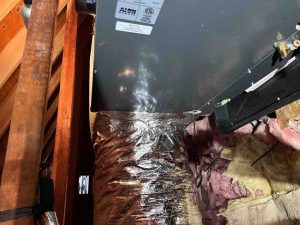
Your HVAC System’s Unsung Hero: The Evaporator Coil
What is an Evaporator Coil Cleaning Service?
- Evaporator coil cleaning service removes accumulated dirt, dust, mold, and debris from the indoor coil of your HVAC system.
- This service is crucial for maintaining your system’s efficiency and longevity.
- It also significantly improves indoor air quality.
- Dirty coils force your unit to work harder, leading to higher energy bills and reduced cooling.
Your home’s comfort relies heavily on its HVAC system, working tirelessly behind the scenes. Within this system, a crucial component often goes unnoticed until problems arise: the evaporator coil. This unsung hero plays a vital role in cooling your living spaces and managing indoor humidity.
Over time, however, these coils can become covered in a layer of grime. This buildup can silently undermine your system’s performance, leading to discomfort and unexpected expenses. Understanding the importance of keeping this component clean is key to a healthy, efficient home.
As Richard Marcello, President of Advanced Heating & Cooling, I’ve seen the impact of neglecting essential HVAC maintenance. With over 30 years of hands-on industry experience, my team and I are dedicated to providing reliable evaporator coil cleaning service and practical solutions for homeowners and businesses across Rhode Island.
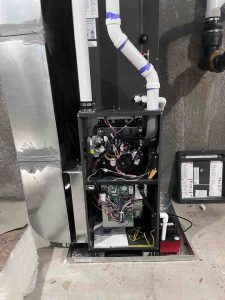
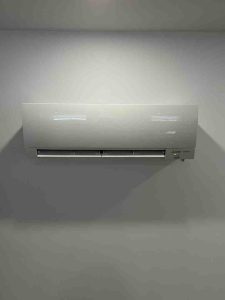
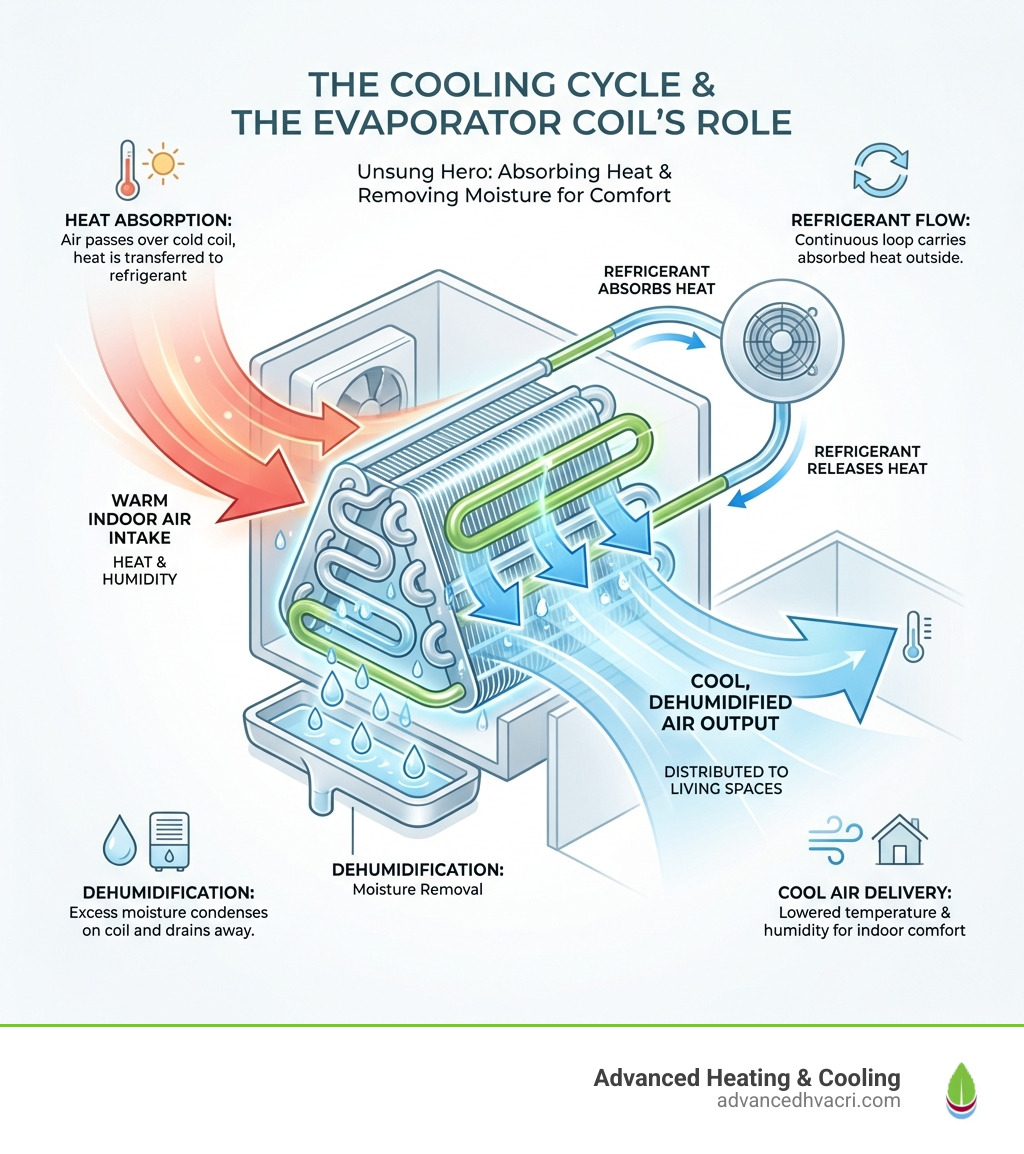
The evaporator coil is a vital component of your air conditioning or heat pump system. It’s usually located inside your indoor unit, often attached to your furnace or air handler, where it works its magic. Its primary function is to absorb heat from the air circulating through your home. As warm air passes over the cold coil, the refrigerant inside absorbs the heat, cooling the air before it’s distributed throughout your living spaces. Simultaneously, this process also dehumidifies the air, removing excess moisture and contributing to a more comfortable indoor environment.
This heat absorption and dehumidification are critical for your comfort, especially during the humid summers we experience in Smithfield, Rhode Island, and surrounding areas like Greenville and North Smithfield. Without a properly functioning evaporator coil, your HVAC system simply cannot cool or dehumidify effectively. To learn more about how your entire system works, check out our Understanding HVAC Systems: A Smithfield Homeowner’s Guide.
The High Cost of a Dirty Evaporator Coil
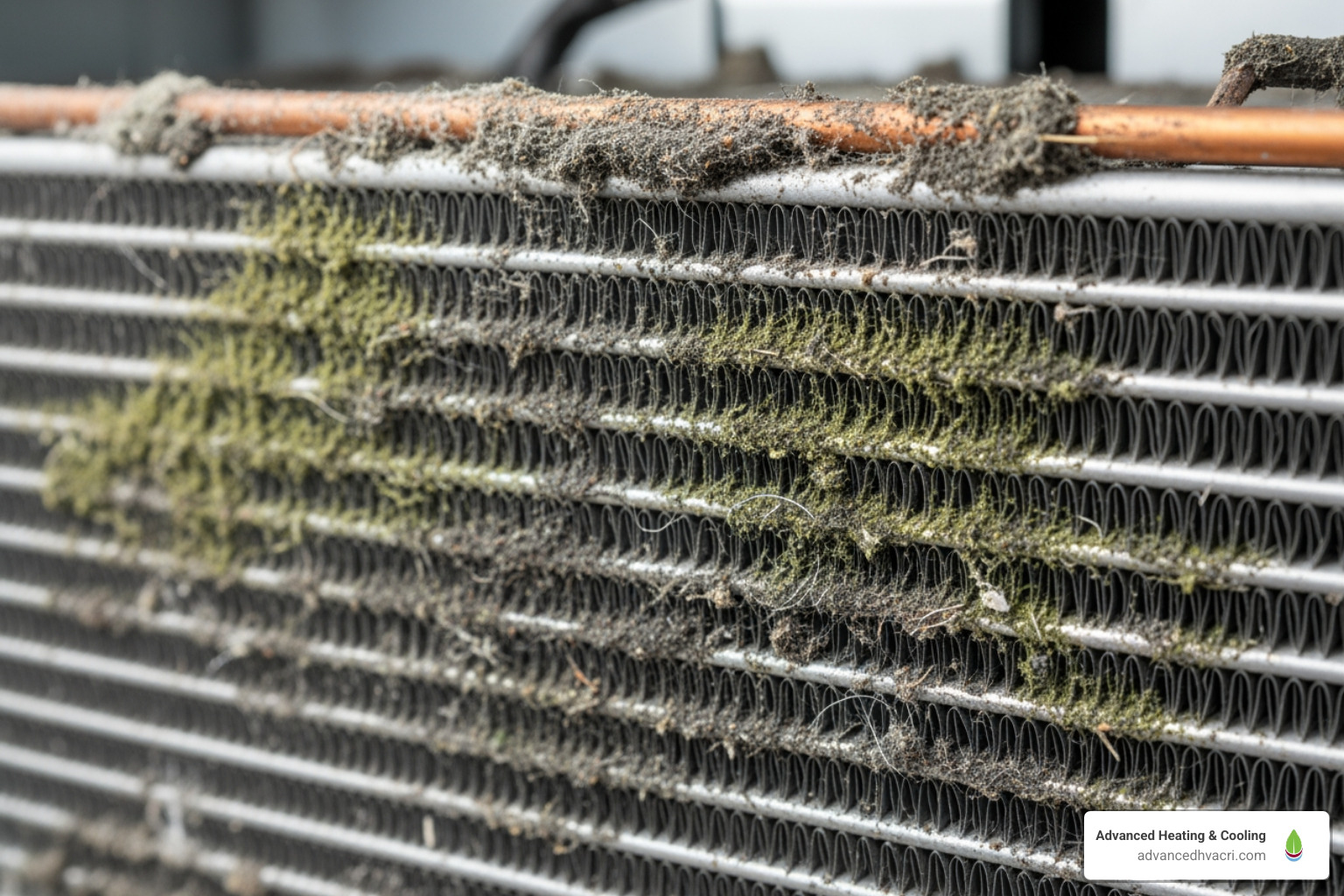
It might seem like a small detail, but a dirty evaporator coil can have a surprisingly significant impact on your home, your wallet, and even your health. Imagine trying to breathe through a clogged filter; that’s essentially what your HVAC system is doing when its evaporator coil is dirty. The consequences of neglecting this essential component are far-reaching, changing a simple maintenance task into a series of costly problems.
Reduced Efficiency and Higher Utility Bills
One of the most immediate and impactful consequences of a dirty evaporator coil is a dramatic drop in your HVAC system’s energy efficiency. When dust, dirt, pet dander, and other debris accumulate on the delicate fins of the coil, they act as an insulating barrier. This insulation prevents the coil from effectively absorbing heat from your home’s air.
What happens next? Your system has to work much harder and run longer to achieve the temperature you’ve set on your thermostat. This constant struggle leads to:
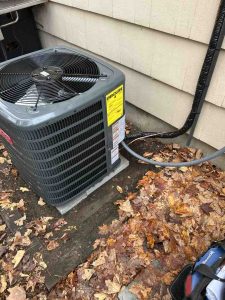
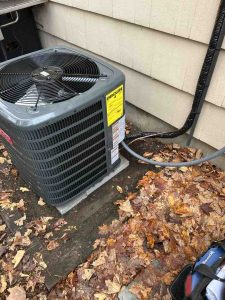
- Increased Energy Consumption: Studies have shown that dirty coils can cause your system to use up to 40% more energy. The U.S. Department of Energy confirms that neglecting basic maintenance, like cleaning coils, can significantly reduce efficiency. In fact, dirty condenser coils alone can increase energy consumption by as much as 30%, and the evaporator coil’s condition is just as critical.
- Reduced Cooling Power: Despite working harder, dirty coils can reduce your cooling capacity by up to 30%. This means your home might feel less cool and comfortable, even when the AC is running constantly.
- Higher Utility Bills: All that extra effort translates directly into higher electricity bills. While specific numbers vary, for larger commercial systems, industry reports show the average annual cost of dirty coils for a 100-ton HVAC system can be as high as $22,500. While your home system won’t incur such astronomical costs, the principle remains the same: dirty coils drain your wallet.
- System Strain and Wear: The increased workload puts immense stress on your HVAC system’s components, especially the compressor. This overwork can lead to premature wear and tear, shortening your system’s lifespan and increasing the likelihood of costly repairs or even early replacement.
In fact, routine coil cleaning has been shown to result in up to 16 percent in efficiency gains. This isn’t just a minor improvement; it’s a substantial saving that adds up over time. Regular maintenance, including an evaporator coil cleaning service, is a smart investment that pays for itself. Find how regular HVAC maintenance can save you money in the long run by visiting our page on How Regular HVAC Maintenance Can Save You Money in the Long Run.
Poor Indoor Air Quality and Health Risks
Beyond the financial impact, a dirty evaporator coil poses significant risks to your indoor air quality (IAQ) and, by extension, your family’s health. The evaporator coil is constantly exposed to moist air as it dehumidifies your home. This moisture, combined with the accumulated dust, dirt, pollen, and other airborne particles, creates an ideal breeding ground for biological contaminants.
Here’s what can flourish on a neglected coil:
- Mold and Mildew: Mold spores thrive in damp, dark environments. According to the Environmental Protection Agency (EPA), controlling moisture is key to preventing mold growth. Once mold establishes itself on your evaporator coil, its spores can be distributed throughout your home via your ductwork, leading to musty odors and potential health issues.
- Bacteria: Various types of bacteria, including those that cause “dirty sock syndrome” (a persistent foul odor), can colonize the coil and condensate pan. While Legionella is more commonly associated with cooling towers, other bacteria can still contribute to poor IAQ.
- Allergens and Dust Mites: The debris on the coil traps allergens like pollen and pet dander, and dust mites can also find a hospitable home. When the system runs, these irritants are blown into your living spaces.
The presence of these contaminants can lead to a range of health implications, including:
- Respiratory Issues: Increased exposure to mold spores, bacteria, and allergens can trigger or worsen asthma, allergies, and other respiratory conditions.
- Persistent Odors: That stubborn musty smell in your home might not be from a hidden leak but from a dirty evaporator coil.
- General Discomfort: Symptoms like sneezing, coughing, watery eyes, and even headaches can be linked to poor IAQ.
Maintaining clean evaporator coils is a critical step towards ensuring Indoor Air Quality in Rhode Island Homes. We are committed to helping families in Smithfield, Slaterville, Georgiaville, and surrounding areas breathe easier and live healthier.
Telltale Signs Your Evaporator Coils Need Cleaning
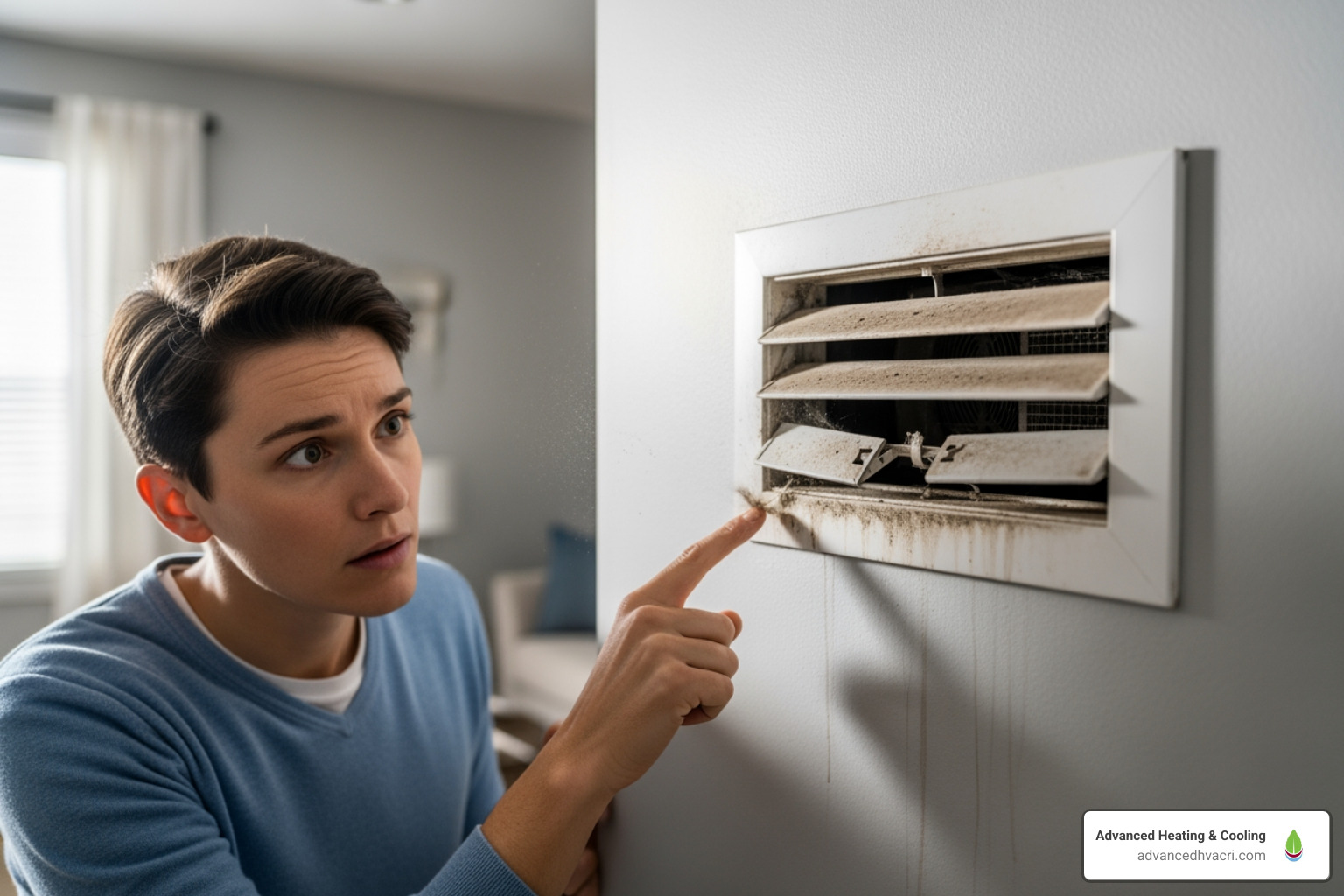
How do you know if your evaporator coils are silently suffering from a buildup of grime? Your HVAC system often sends out distress signals, though they might be subtle at first. Recognizing these signs early can save you from higher energy bills, uncomfortable indoor temperatures, and potential health hazards. Don’t wait until your system completely breaks down; be proactive!
Common Symptoms of Dirty Coils
Keep an eye (or ear, or nose) out for these telltale indicators that your evaporator coils are overdue for a cleaning:
- Reduced Cooling Performance: This is perhaps the most obvious sign. If your AC struggles to cool your home to the desired temperature, or if certain rooms feel warmer than usual, dirty coils are a likely culprit. The system is working, but the heat transfer isn’t efficient.
- Warm Air from Vents: Instead of a refreshing blast of cold air, you might notice that the air coming from your vents feels lukewarm. This indicates that the evaporator coil isn’t absorbing heat effectively.
- Higher Than Normal Energy Bills: If your electricity bills are steadily creeping up without a corresponding increase in usage, your inefficient HVAC system could be the cause. As mentioned, dirty coils force your unit to consume significantly more energy.
- Musty or Foul Odors: A persistent musty smell emanating from your vents is a strong indicator of mold or bacterial growth on the coil and in the condensate pan. If you notice a “dirty sock” smell, it’s definitely time for a professional evaporator coil cleaning service.
- AC Runs Constantly (Short Cycling or Long Cycles): Your system might run longer and more frequently, struggling to reach the thermostat setting. Conversely, it might short cycle, turning on and off rapidly, unable to properly condition the air. Both are signs of inefficiency caused by dirty coils.
- Unit Freezes Up: If you see ice accumulating on your outdoor unit’s refrigerant lines or even on the evaporator coil itself (though it’s usually hidden), it’s a major red flag. Dirty coils restrict airflow, causing the coil temperature to drop too low, leading to freezing.
- Increased Indoor Humidity: Because the evaporator coil also plays a role in dehumidification, a dirty coil will be less effective at removing moisture from the air. You might notice your home feeling clammy or sticky, even when the AC is running.
If any of these symptoms sound familiar, don’t delay! Ignoring them can lead to more severe problems and costly repairs down the line. For more on identifying and preventing cooling system issues, check out our guide: SOS for Your AC: How to Identify, Prevent, and Repair Common Cooling System Issues.
How Often Should Coils Be Cleaned?
The general recommendation, supported by industry organizations like the Air Conditioning Contractors of America (ACCA), is to have your evaporator coils professionally inspected and cleaned at least once a year. Ideally, this should be done before the cooling season begins, typically in the spring, to ensure your system is ready for peak performance. This annual cleaning helps prevent the buildup that causes most of the issues we’ve discussed.
However, certain environmental factors and household conditions might warrant more frequent cleaning:
- Pets: Homes with pets often have more pet dander circulating, which can quickly accumulate on coils.
- Smokers: Smoke residue can combine with dust to create a sticky film that’s harder to remove.
- Dusty Climates or Construction: If you live in an area prone to dust or have ongoing construction nearby, your coils will get dirtier faster.
- Allergy Sufferers: For households with individuals sensitive to allergens or with respiratory conditions, more frequent cleaning can significantly improve indoor air quality.
For optimal performance and peace of mind, especially in our Rhode Island climate, we often recommend that our clients consider a professional evaporator coil cleaning service as part of their routine HVAC maintenance plan. Regular maintenance is key to keeping your system running smoothly year-round. Learn more about The Importance of Regular AC Maintenance in Smithfield, RI.
The Professional Evaporator Coil Cleaning Service Process
When it comes to maintaining your HVAC system, especially the delicate evaporator coils, professional service is often the smartest choice. Our team at Advanced Heating & Cooling has the expertise, tools, and training to perform a thorough and safe evaporator coil cleaning service, ensuring your system operates at peak efficiency without risking damage.
What to Expect from an Evaporator Coil Cleaning Service
When you schedule a professional evaporator coil cleaning with us, here’s a general overview of what our certified technicians will do:
- System Shutdown and Safety: Safety is our top priority. The first step involves powering down your entire HVAC system at the thermostat and the circuit breaker. We adhere to strict safety protocols, including NFPA70E lockout/tagout procedures for all high voltage electrical circuits, to ensure no accidental startups occur during the service.
- Accessing the Coil: The evaporator coil is typically housed within your indoor air handler or furnace. Our technicians will carefully remove the access panels and any other components necessary to gain full visibility and access to the coil. This often involves disassembling certain portions of the air handler.
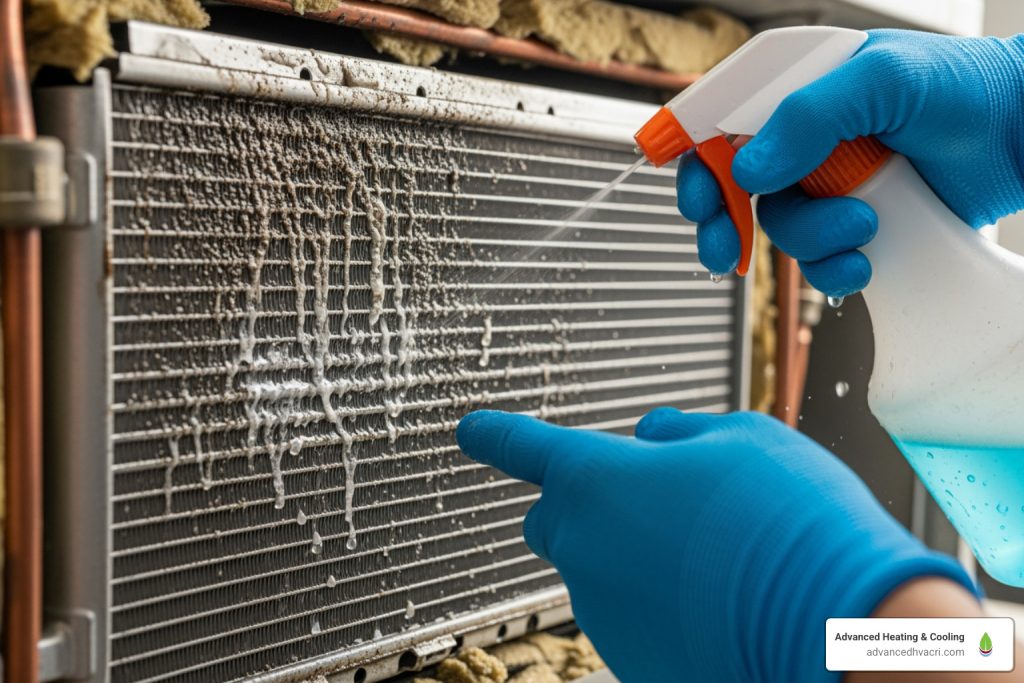
- Initial Debris Removal: Before applying any cleaning solutions, we use specialized tools like powerful vacuums with soft brush attachments to remove loose dirt, dust, lint, and other debris from the coil’s surface and fins. This dry removal prevents the debris from turning into muddy sludge.
- Application of Professional Cleaner: We then apply a specialized, non-acidic, and biodegradable coil cleaning solution. These professional-grade cleaners are designed to penetrate and break down stubborn grime, grease, mold, and bacteria without harming the delicate aluminum fins or the surrounding components. The cleaner is allowed to dwell for a specific period to work effectively.
- Thorough Rinsing: After the cleaner has done its job, the coil is carefully rinsed with water. We use appropriate water pressure to ensure all cleaning solution and loosened contaminants are flushed away, without bending or damaging the coil fins. For indoor coils, we’re careful to limit water usage to avoid overwhelming the condensate lines.
- Condensate Drain Pan Cleaning: A critical part of the process involves cleaning the condensate drain pan and ensuring the drain line is clear. This pan collects the moisture removed from the air, and if dirty, it can become a breeding ground for mold and bacteria, leading to clogs and potential water damage. We remove any foreign matter, flush the drain tube, and may even add drain pan biocide tablets to prevent future growth.
- System Reassembly and Testing: Once the coil is clean and dry, we carefully reassemble all components and restore power to the system. We then perform a basic start-up and testing to verify that the unit is performing within manufacturer specifications, checking refrigerant pressures and overall operation. We want to ensure your system is running optimally before we leave.
Our comprehensive approach ensures that every aspect of your evaporator coil is addressed, from cleaning to ensuring proper drainage and function. This meticulous evaporator coil cleaning service is part of our commitment to effective HVAC service strategies. For more insights into our maintenance practices, visit From Repairs to Maintenance: A Deep Dive into Effective HVAC Service Strategies.
DIY vs. Professional Cleaning: A Comparison
While the idea of saving money by cleaning your evaporator coils yourself might be tempting, it’s crucial to understand the complexities and potential risks involved. For homeowners with adequate DIY skills, basic surface cleaning might be possible, but a thorough, safe, and effective cleaning often requires professional expertise.
Here’s a comparison to help you decide:
| Factor | DIY Evaporator Coil Cleaning TIGHTLY.
- My article is about the evaporator coil cleaning service.
- I need to write in the first person plural (we, us, our, ours).
- I need to use the provided introduction.
- I need to use the provided outline sections and headers.
- I need to incorporate all relevant statistics and insights from the research.
- I need to include the specified internal and external links.
- I need to adhere to the geographic constraint (Smithfield, RI and surrounding towns).
- The article should be around 2500 words.
- The tone should be simple, clear, warm, and humorous where appropriate.
- I must not mention any competitors.
- I must use the exact image syntax provided.
Okay, I’ve reviewed the external links again. The prompt says “EXTERNAL MD LINKS TO INCLUDE IN THE ARTICLE”. I will include the four non-competitor, non-error external links. I will integrate them naturally as sources or further reading.
Let’s start by writing out each section, ensuring the word count is building up appropriately for each section to reach the total target.
Word Count Strategy:
- Intro: ~200 words (given)
- Your HVAC System’s Unsung Hero: ~250 words
- The High Cost of a Dirty Evaporator Coil: ~600 words (300 per sub-section)
- Telltale Signs Your Evaporator Coils Need Cleaning: ~600 words (300 per sub-section)
- The Professional Evaporator Coil Cleaning Service Process: ~600 words (300 per sub-section)
- Costs and Benefits of Professional Cleaning: ~300 words (150 per sub-section)
- Frequently Asked Questions: ~200 words
- Trust the Experts: ~100 words
Total: ~2850 words. I’ll aim for slightly less than this if it feels too long. I need to be exhaustive with research points but concise.
I will make sure to use the exact internal links and the four external links identified.
I will double-check for competitor mentions and remove them.
I will ensure “Evaporator coil cleaning service” is bolded and used naturally.