Why Air and Heat Repair Matters for Rhode Island Homeowners
Air and heat repair is the process of diagnosing and fixing problems with your home’s heating and cooling systems to restore comfort and prevent costly breakdowns. Here’s what you need to know:
- Common signs you need repair: Strange noises, weak airflow, inconsistent temperatures, unusual smells, or high energy bills
- When to repair: System is less than 10 years old and repair costs less than 50% of replacement cost
- When to replace: System is over 10-15 years old, requires frequent repairs, or has low efficiency ratings
- Best action: Schedule professional inspection at first sign of trouble to prevent bigger problems
When your air conditioning stops working during a humid Rhode Island summer, or your furnace fails on a freezing February night, it’s more than an inconvenience—it’s a crisis. Nearly half of your home’s energy use goes to heating and cooling, making your HVAC system one of the most important (and expensive) parts of your home.
The good news? Most air and heat repair issues have clear warning signs and straightforward solutions when caught early.
The challenge for Rhode Island homeowners is unique. Our humid summers and cold winters put extra strain on HVAC systems year-round. The constant switching between heating and cooling modes, combined with salty coastal air in many areas, can shorten equipment lifespan and increase the risk of corrosion and mechanical failures.
Many homeowners worry about being oversold expensive repairs they don’t need, or getting stuck with unreliable contractors who don’t show up when promised. Understanding the basics of air and heat repair helps you make informed decisions and spot honest professionals.
This guide walks you through everything you need to know: recognizing when something’s wrong, understanding what causes breakdowns, deciding between repair and replacement, and finding trustworthy service providers in Rhode Island.
I’m Richard Marcello, and I’ve spent over 30 years working hands-on with air and heat repair throughout Rhode Island, helping homeowners restore comfort and avoid unnecessary expenses. At Advanced Heating & Cooling, we’ve seen just about every HVAC problem that can happen in our New England climate, and we know what works to fix them right the first time.
Spotting the Trouble: Key Signs Your HVAC System Needs Repair
Our HVAC systems are pretty good at letting us know when something’s amiss, even if it’s just a subtle hint. Ignoring these early warnings can lead to bigger, more expensive problems down the line. So, let’s play detective and learn to recognize the common indicators that your air conditioning or heating system is crying out for some attention.
Here are the most common signs that your AC or heating system needs repair:
- Strange Noises: Is your HVAC system suddenly sounding like a symphony of clangs, bangs, squeals, or rattles? These aren’t just quirky sound effects; they’re often indicators of mechanical issues. Grinding sounds can mean a motor bearing is failing, while a persistent squealing might point to a worn-out belt. Odd noises are a clear signal to call in the pros for an inspection.
- Unusual Smells: When your HVAC kicks on, do you catch a whiff of something less-than-pleasant? A burning smell could suggest an electrical problem, which is definitely a concern. A musty odor, particularly common in our humid Rhode Island climate, often indicates mold or mildew buildup in your unit or ductwork. This isn’t just unpleasant; it can impact your indoor air quality.
- Weak Airflow: If you notice that the air coming from your vents isn’t as strong as it used to be, or some rooms feel much less comfortable than others, you might have an airflow issue. This could be due to a clogged air filter, blocked ducts, or a problem with your blower motor. Poor airflow means your system is working harder for less output, wasting energy and failing to properly condition your home.
- Inconsistent Temperatures: Are you constantly adjusting the thermostat because one room is an icebox while another feels like a sauna? This “why one room is always hotter (or colder)” issue is a classic sign of an HVAC problem. It could stem from ductwork issues, an improperly sized system, or even a thermostat malfunction. Your system should be able to maintain a consistent, comfortable temperature throughout your home.
- High Energy Bills: We all dread seeing an unexpected spike in our utility bills. If your energy consumption jumps without a corresponding change in usage, your HVAC system is likely losing efficiency. This could be due to dusty coils, low refrigerant, or aging parts that force your unit to work overtime to achieve the desired temperature. Regular tune-ups can often resolve these efficiency drains.
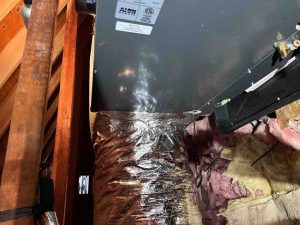
- Water Leaks: Puddles or dripping around your indoor AC unit are never a good sign. In our humid environment, a clogged condensate drain line is a frequent culprit. This can lead to water damage, mold growth, and further system issues if not addressed promptly.
For more detailed information on cooling system issues, you can always check out our guide on More info about common cooling system issues.

When to Call for Professional Air and Heat Repair
While some minor issues might have simple solutions, certain problems absolutely warrant a call to your trusted HVAC professional. Trying to fix these yourself can be dangerous or lead to more extensive damage.
Here’s when you should definitely reach out to us for professional air and heat repair:
- Thermostat Malfunction: If your thermostat isn’t responding to changes, has a blank display, or is displaying incorrect temperatures, it might need professional calibration or replacement. A faulty thermostat can lead to your system running constantly or not at all.
- Refrigerant Leaks: Refrigerant is the lifeblood of your AC system. If your system is low on refrigerant, it means there’s a leak, and simply “recharging” it isn’t a long-term solution. A trained technician can pinpoint and repair the leak, then properly recharge the system. This isn’t a DIY job, as refrigerants are chemicals that require careful handling.
- Electrical Issues: Flickering lights when your HVAC kicks on, breakers constantly tripping, or a burning smell are all signs of electrical problems. These can be dangerous and should only be handled by a certified professional.
- Clogged Drain Line: While you might be able to clear a minor clog, persistent or recurring clogs in your condensate drain line, especially in humid conditions, indicate a need for professional cleaning and inspection to prevent future issues and potential water damage.
For those moments when your AC needs a quick fix and lasting comfort, our team is ready to help. Learn more about Quick Fixes and Lasting Comfort: AC Repair in Smithfield RI.
Common Culprits: Why Air and Heat Systems Break Down
Even the most robust HVAC systems eventually face issues. Understanding the most common reasons for breakdowns can help you prevent them or at least know what to expect when things go wrong.
Here are the most common reasons for AC and heating system breakdowns:
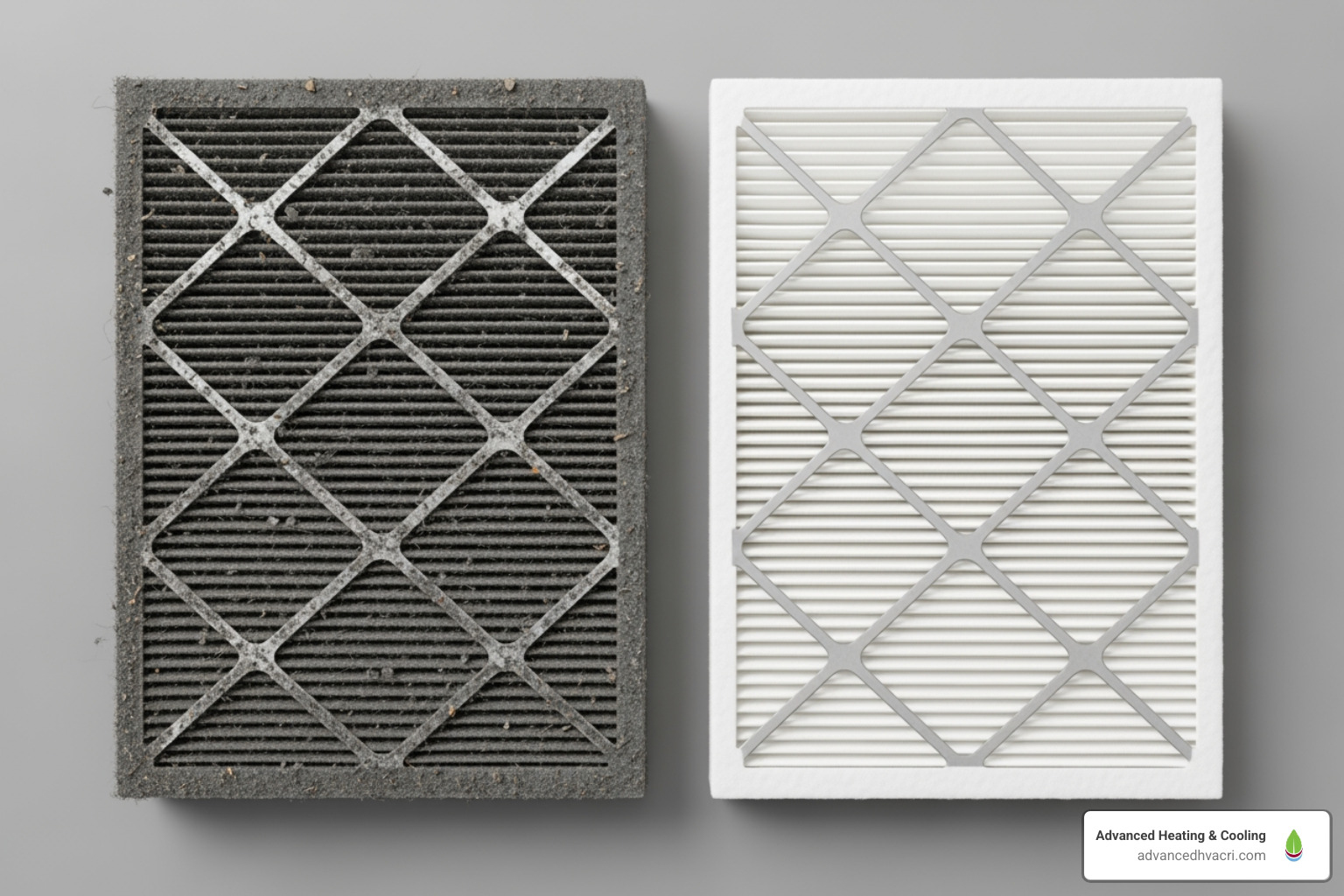
- Dirty Air Filters: This is perhaps the most frequent and easily preventable culprit. A clogged air filter restricts airflow, forcing your system to work much harder to pull air through. This overexertion can lead to reduced efficiency, higher energy bills, and premature wear and tear on components like the blower motor. We recommend checking your filter monthly and changing it at least every 1-3 months.
- Lack of Maintenance: Just like your car, your HVAC system needs regular tune-ups. Skipping annual maintenance allows small issues to escalate, dirt and debris to accumulate on coils, and components to wear out unnoticed. Regular maintenance helps prevent corrosion, keeps parts clean, and gives you the best shot at getting a full two decades of reliable comfort from your system.
- Electrical Failure: From frayed wiring to failing capacitors or contactors, electrical problems are a significant cause of HVAC breakdowns. These issues can prevent your system from starting, cause it to cycle erratically, or even lead to safety hazards.
- Mechanical Wear and Tear: Over time, components like motors, bearings, and belts simply wear out. This is especially true for older systems that have been working hard for years. For instance, a compressor, which is the heart of your AC, can fail due to age or stress.
- Thermostat Problems: A faulty thermostat can misread temperatures, fail to communicate with your HVAC unit, or simply stop working, leading to an unresponsive or inefficient system.
- Rhode Island Climate Impact: Our local climate conditions significantly impact HVAC system performance and repair needs. The constant battle against both extreme heat and bitter cold puts immense stress on your unit.
For a deeper dive into how environmental factors affect your system, explore the Impacts Humidity Has on Your HVAC System.
How Rhode Island’s Climate Affects Your System
Our beautiful Ocean State brings unique challenges for home comfort and HVAC systems. The weather here isn’t just a topic of conversation; it’s a major factor in how your heating and cooling equipment performs and ages.
- Humid Summers: Rhode Island summers, especially near the coast, can be notoriously humid. This high humidity forces your air conditioner to work harder to remove moisture from the air, in addition to cooling it. This increased workload can accelerate wear and tear, contribute to mold growth in ductwork, and increase the likelihood of clogged condensate drains.
- Cold Winters: Our winters demand a lot from heating systems. Furnaces and heat pumps run for extended periods to combat freezing temperatures, leading to increased stress on components and higher energy consumption. This constant cycling, especially during prolonged cold snaps, can shorten the lifespan of your unit.
- Corrosion Risk: Coastal areas of Rhode Island experience higher levels of salt in the air. This can be corrosive to the outdoor components of your HVAC system, leading to premature rusting and degradation of coils and other metal parts. Regular cleaning and maintenance are crucial to mitigate this risk.
- System Strain: The rapid and significant temperature swings we often experience in spring and fall mean your system might switch from heating to cooling (or vice-versa) frequently. This constant transition can strain components and lead to premature failure if the system isn’t properly maintained or sized for your home.
Understanding these local climate conditions helps us tailor our advice and services to best meet the needs of Rhode Island homeowners. If you’ve ever wondered Why One Room Is Always Hotter (or Colder), our climate might be playing a role!
The Big Decision: Repair or Replace Your HVAC System?
This is the question every homeowner eventually faces: “Should I sink more money into repairing my old system, or is it time for a new one?” It’s a critical decision with long-term implications for your comfort, energy bills, and home value.
The decision to repair or replace your HVAC system involves multiple factors beyond just the immediate cost of repair. Here’s a table comparing factors to consider:
| Factor | Repair | Replace |
|---|---|---|
| Age | System less than 10 years old. | System 10-15 years old or older (most last 15-20 years). |
| Repair Cost | Less than 50% of the cost of a new system. | Half or more of the cost of a new system (the “50% rule”). |
| Efficiency | Current system is still relatively efficient (e.g., SEER 11-13, AFUE 80-86). | Current system has low efficiency (e.g., SEER 8-10, AFUE 70-79 or lower). |
| Frequency | Infrequent, minor repairs. | Frequent, costly, or recurring breakdowns. |
| Performance | System effectively heats/cools your home. | System struggles to maintain comfort, has “problem rooms.” |
| Warranty | Repairs are covered by an existing warranty. | Warranty has expired, and major components (compressor, heat exchanger) fail. |
| Future Plans | Planning to move within 2-5 years. | Planning to stay in your home for 6+ years. |
Most HVAC equipment is designed for a life expectancy of 15 to 20 years. However, in Rhode Island, our climate can shorten that lifespan. If your HVAC equipment is more than 10 years old or not keeping your house comfortable, it’s wise to have it evaluated by a professional HVAC contractor. If it’s not performing efficiently or needs upgrading, consider replacing it with a unit that has earned the ENERGY STAR.
The “50% rule” is a good guideline: if the cost to repair your heating and cooling system is half or more of the cost of a new heating system, it may be more cost-effective to upgrade. Similarly, the “10-year rule” suggests that if your system is over a decade old and experiencing regular problems, replacing it is often the best option. Old, inefficient heating systems present an opportunity to install a more efficient system that will save on energy costs.
For a more in-depth look at this decision, check out our guide on When Is It Time to Replace Your HVAC System?.
Understanding the Costs of Air and Heat Repair vs. Replacement
When your system is on the fritz, the immediate concern is often the repair cost. However, it’s crucial to look beyond the immediate fix and consider the long-term financial picture.
- Repair Cost Estimates: Repair costs can vary widely depending on the issue. A simple part replacement might be a few hundred dollars, while a major component like a compressor or heat exchanger could run into thousands. If your system is older and requires a significant repair, that money might be better invested in a new, more efficient unit.
- New System Investment: While the upfront cost of a new HVAC system is higher, it’s an investment that pays dividends. Modern systems are significantly more energy-efficient, leading to substantial savings on your monthly utility bills. For example, replacing your old heating and cooling equipment with ENERGY STAR certified equipment can cut your annual energy bill by nearly $140. Furthermore, federal tax credits (like up to $2,000 for heat pumps and mini-splits, and up to $600 for furnaces, boilers, and ACs under the Inflation Reduction Act) and local utility rebates (such as National Grid rebates for boiler installation up to $1,000, and furnace installation up to $600, or Clean Heat Rhode Island rebates up to $1,000 for mini-split and heat pump installation) can significantly offset the initial cost.
- Long-Term Savings: A new, high-efficiency system not only lowers energy bills but also comes with a new warranty, reducing your out-of-pocket expenses for future repairs. It also offers improved comfort and reliability, which are invaluable. If you plan to stay in your home for many years, investing in a new system often makes the most sense.
We believe in providing honest solutions and accurate diagnostics so you can make reliable decisions on replacement systems that fit your needs and budget. For more information on heating service costs, see Your Guide to Affordable Heating Services.
Exploring Modern HVAC Options
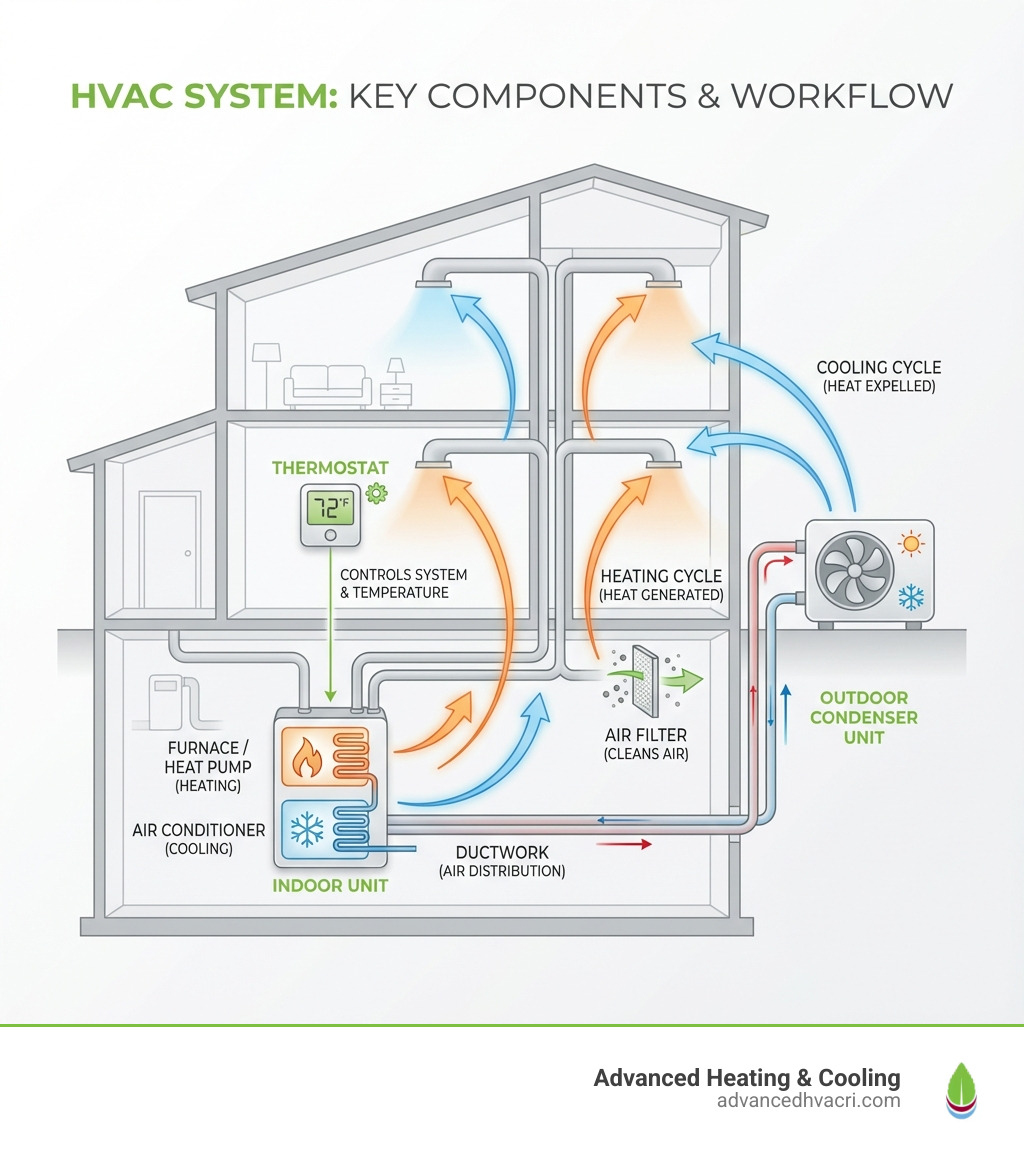
When considering a replacement, you’ll find a range of advanced HVAC systems designed for optimal comfort and efficiency in Rhode Island homes. Each type has its own advantages:
- Central AC: The traditional choice for whole-home cooling, central AC systems use a network of ducts to distribute cooled air. Modern central AC units boast higher SEER (Seasonal Energy Efficiency Ratio) ratings, meaning they consume less energy for the same amount of cooling.
- Heat Pumps: These versatile systems offer both heating and cooling in one unit. In winter, they extract heat from the outside air (even when it’s cold) and transfer it indoors; in summer, they reverse the process. Heat pumps are incredibly energy-efficient because they move heat rather than generating it, leading to significant energy savings, especially in our moderate Rhode Island climate where they can operate efficiently for much of the year.
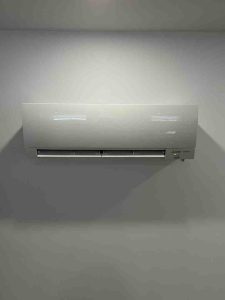
- Ductless Mini-Splits: Perfect for homes without existing ductwork, additions, or for creating zoned comfort, mini-splits consist of an outdoor unit connected to one or more indoor units. They offer precise temperature control in individual rooms or zones, reducing energy waste and improving indoor air quality by filtering air directly in each zone. Ductless mini split heat pumps are some of the most efficient HVAC systems on the market.
- High-Efficiency Furnaces: For homes relying on natural gas or propane for heating, modern high-efficiency furnaces boast AFUE (Annual Fuel Utilization Efficiency) ratings of 90% or higher, meaning they convert most of their fuel into usable heat, minimizing waste.
Understanding these options is key to making an informed choice for your home. Learn more about Understanding HVAC Systems: A Smithfield Homeowner’s Guide.
Prevention is Key: Maintenance and Efficiency Tips
An ounce of prevention is worth a pound of cure, especially when it comes to your HVAC system. Regular maintenance and a few simple energy-saving habits can prevent costly air and heat repair emergencies, extend the life of your equipment, and keep your energy bills in check.
Here’s how regular maintenance can help:
- Extends Lifespan: Most air conditioners and heating systems are built to last 15 to 20 years. Regular maintenance helps prevent corrosion, keeps parts clean, and addresses minor issues before they become major breakdowns, helping your system reach its maximum lifespan.
- Prevents Costly Repairs: Routine inspections can identify potential problems early, like a failing motor or a refrigerant leak, allowing for smaller, less expensive repairs before a complete system failure occurs.
- Improves Efficiency: A well-maintained system operates at peak efficiency, meaning it uses less energy to heat and cool your home. This translates directly into lower utility bills.
- Better Air Quality: Maintenance often includes cleaning components that affect indoor air quality, such as coils and drain pans, reducing the buildup of dust, allergens, and mold.
Learn more about The Importance of Regular AC Maintenance in Smithfield RI.
DIY Maintenance and Energy Efficiency
While professional tune-ups are essential, there are several things you can do as a homeowner to keep your system running smoothly and efficiently:
- Change Air Filters Regularly: This is the easiest and most impactful DIY task. Check your filter every month, especially during heavy use seasons. Change it if it looks dirty, or at a minimum, every 1-3 months. A clean filter ensures proper airflow and prevents dust buildup.
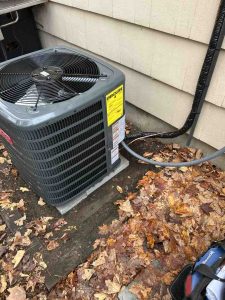
- Clean Around Outdoor Unit: Keep the area around your outdoor AC unit clear of debris, leaves, and vegetation. This ensures proper airflow to the condenser coil, which is crucial for efficient operation.
- Seal Ductwork: Ducts are often big energy wasters! Sealing and insulating ducts can improve the efficiency of your heating and cooling system by as much as 20 percent. Focus on ducts in unconditioned spaces like attics, crawl spaces, and basements.
- Smart Thermostats: Install a programmable or smart thermostat. These devices allow you to set schedules, control your system remotely, and optimize temperatures for energy savings. Homes with high heating and cooling bills can save approximately $100 a year with an ENERGY STAR certified smart thermostat.
- Set Optimal Temperatures: The U.S. Department of Energy recommends setting the thermostat at 78°F or higher during the summer for energy savings. In winter, lower your thermostat a few degrees when you’re away or asleep.
- Seal Air Leaks: Address drafts around windows, doors, and electrical outlets with caulk and weatherstripping. This prevents conditioned air from escaping and unconditioned air from entering your home.
Making smart decisions about your home’s heating, ventilating, and air conditioning (HVAC) system can have a big effect on your utility bills — and your comfort. For more tips on improving efficiency, consult Heat & Cool Efficiently and our Winter HVAC Maintenance Checklist for Home.
Finding a Pro: What to Look for in an Air and Heat Repair Service
When your HVAC system needs professional attention, choosing the right service provider is paramount. You want a team that is knowledgeable, reliable, and trustworthy. We pride ourselves on being that team for Smithfield, RI, and the surrounding communities.
Here’s what to look for when selecting an air and heat repair service:
- NATE Certification: North American Technician Excellence (NATE) certification is a recognized standard for HVAC technicians. It indicates that a technician has passed rigorous exams demonstrating their knowledge and skills in heating, ventilation, air conditioning, and refrigeration. This ensures you’re getting service from a highly qualified professional.
- Factory-Trained Technicians: Technicians who are factory-trained by specific HVAC manufacturers have in-depth knowledge of those particular brands and models. This specialized training often means they can diagnose and repair issues more accurately and efficiently.
- Licensed and Insured: Always ensure your HVAC contractor is fully licensed to operate in Rhode Island and carries adequate insurance. This protects you in case of accidents or damage during service.
- Warranties: A reputable company will stand behind its work. Look for service providers who offer warranties on both parts and labor for their repairs. For example, some companies offer a 12-year labor warranty on equipment sales and a workmanship guarantee, which provides peace of mind.
- Emergency Services: HVAC emergencies don’t always happen during business hours. A reliable provider should offer 24/7 emergency service to ensure you’re not left in discomfort during a heatwave or cold snap.
- Positive Reviews and Testimonials: Check online reviews and ask for references. What other customers say about a company’s professionalism, responsiveness, and quality of work is a strong indicator of their service. We’re proud of our local success stories and encourage you to See what customers are saying about us.
Our commitment is to offer honest and professional technicians, flat-rate pricing, and a 100% satisfaction guarantee. We combine local expertise with national best practices, ensuring that our recommendations are custom to Rhode Island’s climate conditions and your specific home service needs.
For a comprehensive guide on choosing a reliable HVAC service, read our The Essential Checklist for Choosing a Reliable HVAC Service Provider.
Conclusion
Navigating air and heat repair can seem daunting, but with the right knowledge and a trusted partner, you can ensure your home remains comfortable and efficient year-round.
Here are the key takeaways to remember:
- Be Observant: Pay attention to the subtle signs your HVAC system gives you – strange noises, unusual smells, weak airflow, or rising energy bills are all indicators that it’s time for an inspection.
- Prioritize Maintenance: Regular professional maintenance is your best defense against costly breakdowns and premature system failure. It extends the lifespan of your unit and keeps it running efficiently, saving you money in the long run.
- Make Informed Decisions: When faced with a repair-or-replace dilemma, consider factors like your system’s age, the cost of repair relative to replacement, and its current efficiency. Don’t be afraid to ask questions and seek expert advice.
- Choose Wisely: Select an HVAC service provider with certified, factory-trained technicians, strong warranties, and a reputation for honesty and quality workmanship.
Don’t delay repairs or neglect maintenance. Proactive steps now can save you significant discomfort and expense later. At Advanced Heating & Cooling, we’ve been serving homeowners in Smithfield, RI, and surrounding communities for over 30 years, providing honest, quality workmanship for all your heating and cooling needs.
Ready to ensure your system is running at its best? Learn more about our expert HVAC maintenance services today.