Why Dry Winter Air Is Making Your Home Uncomfortable
Adding a humidifier to your furnace is one of the most effective ways to fix dry, uncomfortable indoor air during Rhode Island winters. Here’s a quick overview of how it works:
How to add a humidifier to your furnace:
- Choose the right humidifier type (bypass, fan-powered, or steam)
- Mount it on your furnace’s return or supply air duct
- Connect it to your home’s cold water supply
- Wire the humidistat to your furnace’s control board
- Set your target humidity between 30–45% and test the system
You’ve probably felt it already this winter. You wake up with a scratchy throat. You reach for a doorknob and get a shock. Your lips are dry, your skin itches, and your wood floors are starting to creak and gap.
That’s not just the cold. That’s low humidity.
When your furnace heats cold winter air, it makes that air even drier. Without added moisture, indoor humidity can drop well below 20% — far outside the comfortable 30–45% range. The result? Static electricity, dry skin, irritated sinuses, and damage to wood furniture and flooring.
The good news is that the fix connects directly to the system already heating your home.
A whole-house humidifier installs onto your furnace or ductwork and automatically adds moisture to every room — no refilling, no guessing, no room-by-room portable units.
I’m Richard Marcello, President of Advanced Heating & Cooling, and with over 30 years of hands-on HVAC experience serving Rhode Island homeowners, I’ve helped countless families add a humidifier to their furnace to solve exactly these kinds of winter comfort problems. In this guide, I’ll walk you through everything you need to know — from choosing the right unit to installation, costs, and maintenance.
Add humidifier to furnace terminology:
Why You Should Add Humidifier to Furnace Systems
Living in Smithfield or North Smithfield during the winter means dealing with biting cold. But the real “hidden” enemy is the lack of moisture. When you add humidifier to furnace systems, you aren’t just making the air “wet”; you are transforming the entire environment of your home.
Itchy Skin and Health Relief
Have you ever noticed that your skin feels like sandpaper by January? Or maybe your eyes feel gritty every morning? This happens because dry air acts like a sponge, soaking up moisture from your body. This can help with itchy skin, dry eyes, static electricity, and respiratory problems. By maintaining proper humidity, you keep your nasal passages moist, which is your body’s first line of defense against winter viruses.
Protecting Your Home’s Investment
Your home is likely your biggest investment, and dry air is a silent wrecker. Hardwood floors, wooden furniture, and even musical instruments like pianos are sensitive to moisture levels. When the air gets too dry, wood shrinks, leading to unsightly gaps in your flooring or cracks in your favorite antique table. Proper indoor air quality in Rhode Island homes ensures these materials stay stable and beautiful for decades.

Energy Efficiency and “Warmth”
Here is a pro tip from our 30 years in the field: humid air feels warmer than dry air. Think about a 90-degree day in a desert versus a 90-degree day in humid Rhode Island. The humidity makes you feel hotter. By adding moisture to your home, you can often turn your thermostat down by 2 or 3 degrees and feel just as comfortable. This leads to lower monthly heating bills.
Key Health Benefits of Proper Humidity:
- Reduced Static: No more getting zapped by the cat or the doorknob.
- Better Sleep: Moist air prevents the “dry throat” wake-up call.
- Allergy Relief: Dust and allergens don’t float as easily in humidified air.
- Faster Healing: Sinuses stay clear, helping you recover from colds faster.
Choosing the Right Type of Whole-House Humidifier
Not all humidifiers are created equal. Depending on the size of your home in Slaterville or Greenville, you’ll need to choose between three main types.
Bypass Humidifiers
These are the most common and budget-friendly options. They don’t have their own motor; instead, they rely on the furnace’s blower to push air through a bypass duct, over a water panel, and back into the system. They are reliable and simple, though they generally have a lower output than other models.
Fan-Powered Humidifiers
These units have their own internal fan. This allows them to push more moisture into the air even when the furnace isn’t running at full blast. They are excellent for larger homes or for families who want a bit more control over their cozy atmosphere with your HVAC system.
Steam Humidifiers
The “Gold Standard” of humidification. These units boil water to create pure steam, which is then injected into your ductwork. They offer the highest output (up to 34 gallons per day) and the most precise control. While the initial cost is higher, they are the best choice for large homes or those with high-end woodwork.
| Humidifier Type | Average Output (Gallons/Day) | Relative Cost | Best For |
|---|---|---|---|
| Bypass | 12–17 | $ | Small to Medium Homes |
| Fan-Powered | 18–22 | $$ | Large Homes |
| Steam | 25–34 | $$$ | Luxury Homes / Precise Control |
When deciding between a humidifier vs dehumidifier for comfort, in Rhode Island, we usually need the humidifier in the winter and the dehumidifier in the summer.
How to Add Humidifier to Furnace: Installation Overview
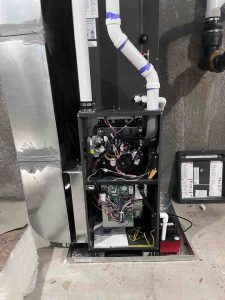
Adding a humidifier isn’t as simple as “plug and play.” It requires a mix of sheet metal work, plumbing, and low-voltage electrical wiring.
Placement Matters
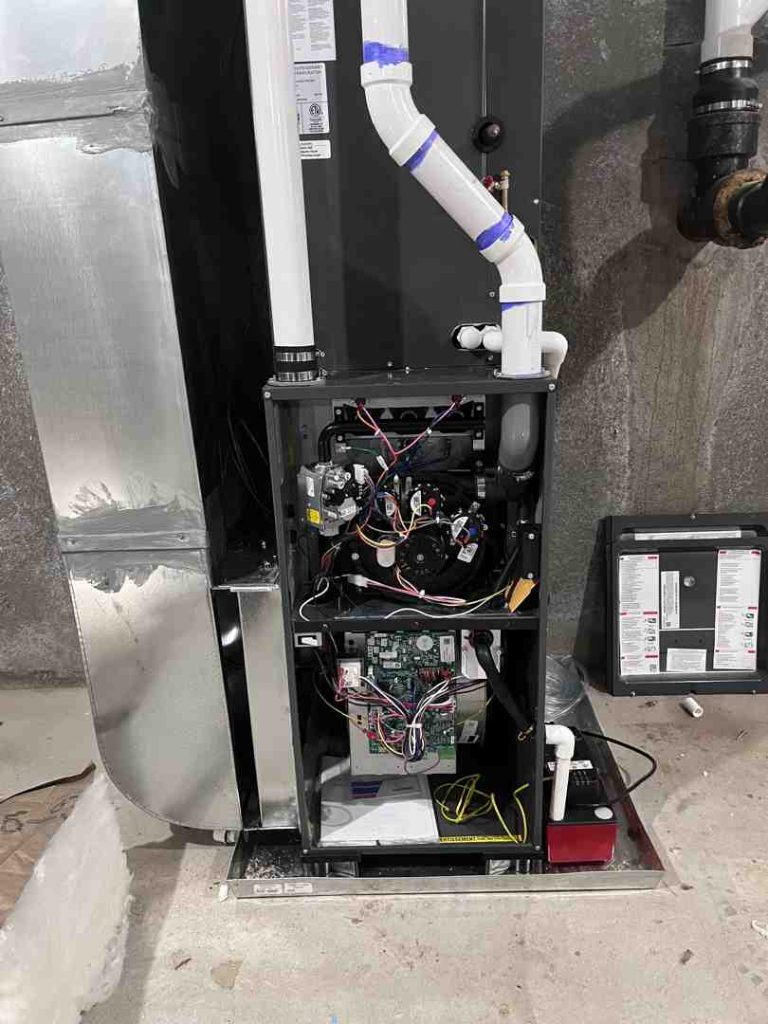
The most common spot to install a humidifier is on the return air plenum (the duct that brings air back to the furnace). This allows the moisture to be added to the air before it is heated and sent through the house. Some bypass models can also be mounted on the supply side, but our experts usually prefer the return side for better moisture distribution.
The Connection Process
- Cutting the Duct: A template is used to cut a precise hole in your metal ductwork.
- Mounting the Unit: The humidifier is secured and sealed to prevent air leaks.
- Plumbing: We tap into your cold water line. While some DIY kits use “saddle valves,” we often recommend a more permanent T-fitting to prevent leaks over time.
- Wiring: The unit must be wired to a humidistat (like a thermostat for humidity) and connected to the furnace’s 24VAC transformer so it knows when to turn on.
While it might be tempting to try a DIY installation, there are significant risks. Improper wiring can fry your furnace’s control board, and a poorly sealed unit can cause water to leak directly into your expensive furnace. For an expert furnace setup in Smithfield, professional installation usually takes 2–4 hours and ensures your warranty stays intact.
Cost, Maintenance, and Risk Management
What should you expect to pay when you decide to add humidifier to furnace systems?
The Financial Breakdown
The average cost for a professional installation typically ranges from $400 to $1,000.
- Bypass units: $200–$700 (unit + install)
- Fan-powered: $400–$1,200
- Steam units: $700–$2,500+
Essential Maintenance
A humidifier is not a “set it and forget it” device. Because it uses water, minerals can build up over time.
- Annual Pad Replacement: The evaporator pad (or “water panel”) should be replaced at the start of every heating season. This prevents mold and ensures maximum moisture output.
- Cleaning: The reservoir and solenoid valve should be checked for mineral deposits.
- Seasonal Settings: In the summer, you should turn the humidistat to “Off” and close the bypass damper if your unit has one.
Managing the Risks (Mold and Condensation)
The biggest fear homeowners have is mold. However, preventing mold growth in HVAC systems is easy if you keep your humidity at the right level. We recommend a target of 30–45%. If you see condensation forming on your windows, your humidity is too high—turn the humidistat down! Modern automatic humidistats even include outdoor sensors that adjust your indoor humidity based on how cold it is outside, preventing window frost. Regular HVAC repair and maintenance will keep these sensors and valves working perfectly.
Frequently Asked Questions about Furnace Humidifiers
Is it hard to add humidifier to furnace units?
For a professional, it’s a straightforward afternoon job. For a homeowner, it can be technically challenging. You need to be comfortable cutting into your home’s ductwork, tapping into water lines, and working with electrical components. If done incorrectly, you risk water damage or electrical shorts. Hiring a pro ensures a healthier home environment without the stress of potential leaks.
What is the best place to add humidifier to furnace ductwork?
The return air plenum is generally the best spot. It allows the air to pick up moisture before it enters the furnace. This ensures the moisture is fully “absorbed” by the warm air before it travels through your vents. The impacts of humidity on HVAC systems are most positive when the distribution is even and controlled.
Are there alternatives to whole-house humidifiers?
If a whole-house unit isn’t in the cards, you can use room-specific portable units, though they require daily refilling and cleaning. Another great strategy is air sealing. Many times, “dry air” is actually caused by cold, dry outdoor air leaking into your home through cracks. A blower door test can help identify these leaks. You might also consider a heat pump vs traditional furnace; heat pumps don’t “dry out” the air as aggressively as gas furnaces can.
Conclusion
Don’t spend another winter suffering from static shocks and itchy skin. When you add humidifier to furnace systems, you create a more comfortable, healthier, and more efficient home for your family. Whether you are in Smithfield, Johnston, or North Smithfield, the team at Advanced Heating & Cooling is here to help.
With over 30 years of experience, we pride ourselves on honest, quality workmanship. We are a locally owned and operated business that understands exactly what Rhode Island winters demand from an HVAC system. We offer free estimates and a commitment to making your home the most comfortable place it can be.
Ready to stop the static? Schedule your professional heating installation today and breathe easier this winter.